Waterfalls, walls, and bunkers all in one trip. This is a 14-day private Balkan route built around Sarajevo, Zagreb, Ljubljana, Bled, Split, Dubrovnik, Kotor, and the in-between stops, with hassle-free airport pickup and guides who talk through what you’re seeing. You also get included accommodation and meals, so you’re not constantly budgeting day to day.
What I really like is how nature days sit beside city classics, so you’re not stuck doing only museums or only driving. Expect hiking and swimming options (like Bled and Kotor), plus an adrenaline stop with rafting. The main consideration: it’s weather-dependent and it’s a busy itinerary, with lots of movement and walking, so pack for comfort and plan for a full-on pace.
Also note the basics upfront: flight tickets aren’t included, and the experience starts at 10:00 am at Butmir Airport Sarajevo, so you’ll want your arrival timing to match.
In This Review
- Quick hits before you plan your packing list
- Price and what you actually get for $2,245.70
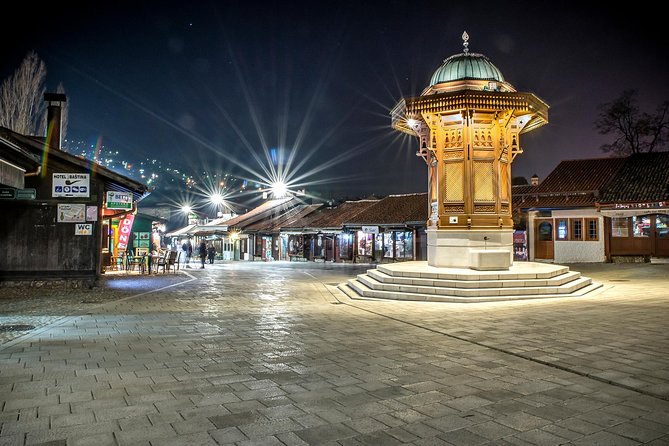
- Day 1 in Sarajevo: airport pickup, hotel, then Baščaršija at night
- Sarajevo old town and Trebević: Ottoman icons plus a nature reset
- Travnik and Jajce, then Bihać: waterfalls, fortresses, and an easy walking day
- Una National Park waterfalls and Zagreb: from rushing water to city squares
- Ljubljana’s walking core and Bled’s lake-and-island reset
- Plitvice Lakes UNESCO hike and Split’s waterfront promenade
- Split to Ston to Dubrovnik: walls, views from Srđ, and an afternoon of old town
- Bay of Kotor in Montenegro: Perast islands and the fortress hike before heat
- Mostar’s Old Bridge and Ottoman-era corners, plus a tough-adventure turn toward rafting
- Tito’s bunker and 23 km rafting: history underground, adrenaline on top
- Lukomir by jeep and the Umoljani village trek: a calmer day at high altitude
- Back to Sarajevo: a final airport shuttle day
- Who this private Balkan tour fits best
- Should you book this 14-day Balkan private tour?
- FAQ
- Is airport pickup included?
- What cities and regions does the itinerary cover?
- Are meals included?
- Is the tour private?
- What activities are included besides sightseeing?
- Does weather affect the experience?
Quick hits before you plan your packing list
- Airport pickup at Sarajevo (Butmir) makes the first hours much less stressful
- Private, guided touring with professional guides and active explanations on the ground
- Nature + cities every few days: Trebević, Una waterfalls, Plitvice lakes, Bay of Kotor fortress views
- Adrenaline day in Bosnia with 23 km rafting and full gear provided
- UNESCO-style highlights through Sarajevo old town, Dubrovnik walls, and key historic bridges and towns
- Built-in downtime: free time blocks in places like Zagreb, Dubrovnik old town, and Kotor
Price and what you actually get for $2,245.70
At $2,245.70 per person for about 14 days, this isn’t a budget-only bargain. But it’s also not a bare-bones route where you pay extra for everything.
Your money goes toward professional guiding, overnight stays, and most meals (breakfast and dinner throughout, plus lunch on 13 days). You also get scheduled transport between stops, including for activities where needed. That matters, because in the Balkans, time often gets burned on logistics—borders, long drives, and figuring out local transport. Here, those headaches are mostly handled.
What’s not included is the obvious big one: flight tickets, plus souvenirs and gratuities. So the best “value” for your wallet comes if you’d otherwise spend on tours, transfers, and hotels separately. If you’d rather travel at your own slow speed with zero structure, then the fixed itinerary may feel less efficient. If you like a plan that moves but still gives you free time, this is the kind of trip that can feel worth it.
You can also read our reviews of more tours and experiences in Sarajevo.
- Fall of Yugoslavia, Sarajevo War Tour with Tunnel of Hope Museum and Frontlines
★ 5.0 · 1,314 reviews
Day 1 in Sarajevo: airport pickup, hotel, then Baščaršija at night
You start with Sarajevo airport shuttle service, then a short walk to your hotel and an easy first evening: dinner and a wander around Baščaršija. That’s a smart way to break the travel day. You don’t jump straight into a long sightseeing session; you let your feet and eyes wake up in the old bazaar area.
Since the tour begins at Butmir Airport at 10:00 am, plan your flights to arrive early enough that you’re not rushing through paperwork and bags. Once you’re checked in, Baščaršija is a great first taste of the city’s mix—historic stone streets, Ottoman-era settings, and people out in the evening.
Practical tip: on day one, keep your walking shoes close. Even a short walk can turn into an unplanned detour when you see something interesting.
Sarajevo old town and Trebević: Ottoman icons plus a nature reset
Day 2 is all about getting your bearings fast in Sarajevo, then getting out of the city for breathing room.
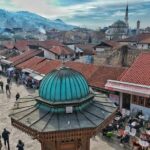
In Baščaršija, you’ll walk the old town core and hit major sights in a tight, readable loop: Gazi Husref-bey’s Mosque, Gazi-Husref-bey’s bezistan, Sebilj, City Hall, the Cathedral of the Sacred Heart, and the Latin Bridge (Princip’s bridge), plus Avaz Tower. The tour format here helps: you’re not just seeing buildings—you’re learning how the different eras sit next to each other.
Then you swap streets for a nature park visit: mountain Trebević and the spring of the Bosna River. This is where the itinerary feels balanced. A city day gives you context; the nature stop gives you a reset, especially in summer when it’s nice to step away from heat and traffic.
Possible drawback: if you dislike hiking or you want zero uphill time, Trebević may feel more active than you planned. But the day includes relaxing opportunities in nature, not just a hard workout.
Travnik and Jajce, then Bihać: waterfalls, fortresses, and an easy walking day
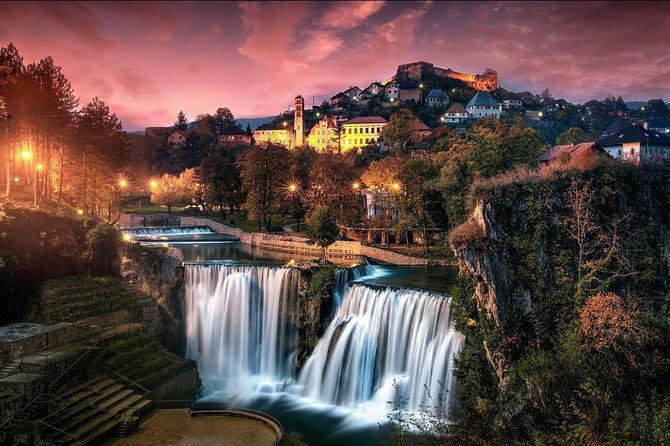
Day 3 turns into a Bosnia sampler: Ottoman-style Travnik, Jajce with its dramatic waterfall-in-town feel, and then Bihać for a simpler walking experience.
First comes Travnik, with the old Ottoman fortress and the Plava Voda spring. Then you continue to Jajce, historically tied to Bosnian kings and known for that standout feature: a natural waterfall in the city center. After lunch in Jajce, the day ends in Bihać, where there’s an easy walking tour and dinner in town.
Why this set works: you get variety without feeling like you’re hopping through a checklist of random stops. Jajce’s waterfall is the kind of sight that makes the drive feel justified, and the Bihać walking day keeps energy levels manageable before the itinerary ramps up again.
Practical tip: bring a light layer. Waterfalls and canyon air can feel cooler than you expect.
Una National Park waterfalls and Zagreb: from rushing water to city squares
Day 4 is a classic rhythm shift—big nature moment first, then a full city day.
You head to Una National Park to see Štrbački buk, the kind of waterfall view that makes your brain go quiet for a second. After that, you continue to Zagreb, Croatia’s capital, and do a city tour that covers Ban Jelačić Square, St. Mark’s Cathedral, Zagreb Upper City, and parks.
Then you get a useful chunk of free time after checking in. That matters because Zagreb is a place where you’ll want to wander at your own pace, grab a drink, or re-walk streets you liked earlier.
One consideration: you’ll likely spend a lot of the day split between transport and sightseeing. If you hate long bus hours, pack entertainment and keep expectations flexible.
- Fall of Yugoslavia, Sarajevo War Tour with Tunnel of Hope Museum and Frontlines
★ 5.0 · 1,314 reviews
Ljubljana’s walking core and Bled’s lake-and-island reset
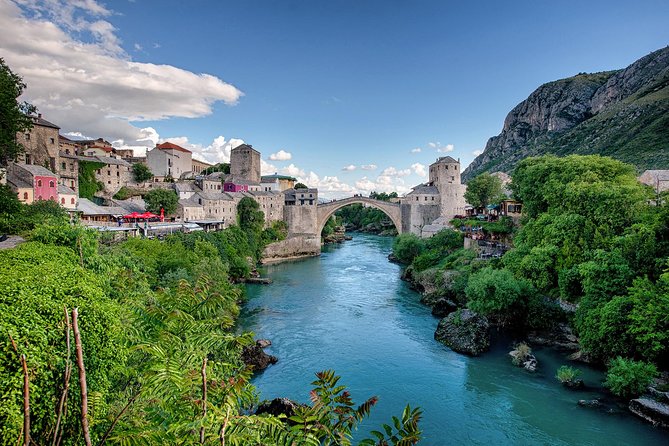
Day 5 crosses into Slovenia and starts in Ljubljana, often described as one of the greenest cities in Europe—and the itinerary supports that idea with a pleasant walking plan.
You’ll cover Prešern Square, the Ljubljanica River area, Triple Bridge, Dragon Bridge, and more around the old center. After lunch time in this style of route, you continue to Lake Bled, one of the Alpine-region icons.
Bled is scheduled with classic highlights: Glacier lake scenery under the Julian Alps, the natural island in the middle, and time for lunch there. If weather allows, you can go for a swim. That’s not just a fun add-on; it’s a smart recovery technique in the middle of a long road trip.
Practical packing note: you’ll want a swim option even if you’re unsure. Chances like this are rare mid-itinerary.
Plitvice Lakes UNESCO hike and Split’s waterfront promenade
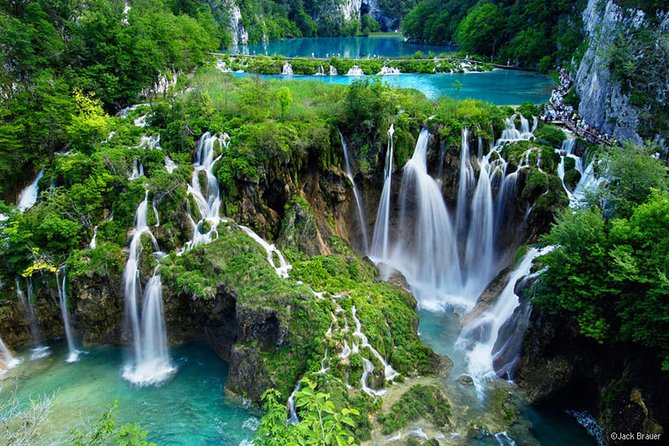
Day 6 switches you to Croatia’s southern side with one of the most famous nature stops in the country: Plitvice Lakes National Park.
You’ll do a comfortable hike along crystal-clear lakes and waterfalls, moving through the park’s UNESCO-protected scenery. The key word here is comfortable hike—you’re not being described as needing hardcore gear for a grueling climb. Still, you’ll be walking a lot, and wet ground can happen near waterfalls.
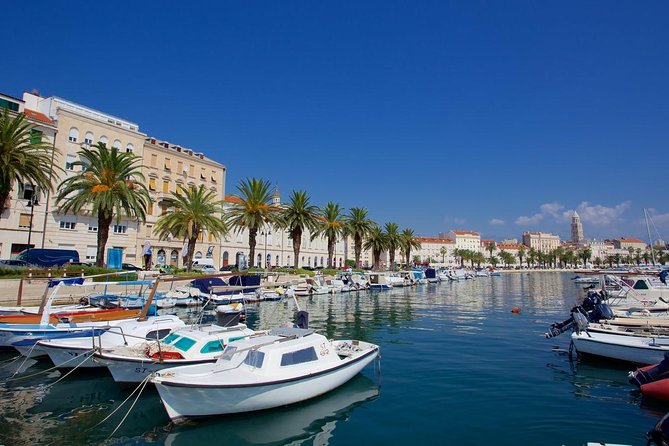
After lunch at Plitvice, you continue to Split and enjoy time along Split’s waterfront promenade, the Splitska Riva—an easy way to end a nature-heavy day with city atmosphere.
If you’re the kind of person who likes your days to have one big “wow” moment, this is where it lands. If not, the plan is still nicely balanced: nature first, then a calmer stroll.
Split to Ston to Dubrovnik: walls, views from Srđ, and an afternoon of old town
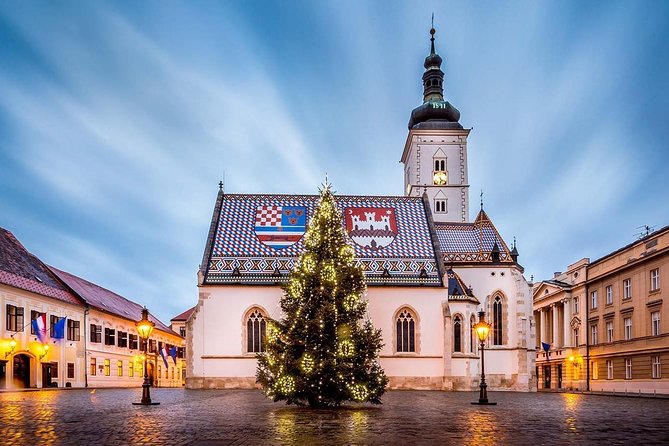
Days 7 and 8 are about the Adriatic shift and the feeling of Dubrovnik arriving like a movie set.
Day 7 starts with free time in Split, then you continue to Ston, known for its defensive walls—a series of stone walls tied to the area’s old protection system. You’ll have lunch in Ston, then continue onward.
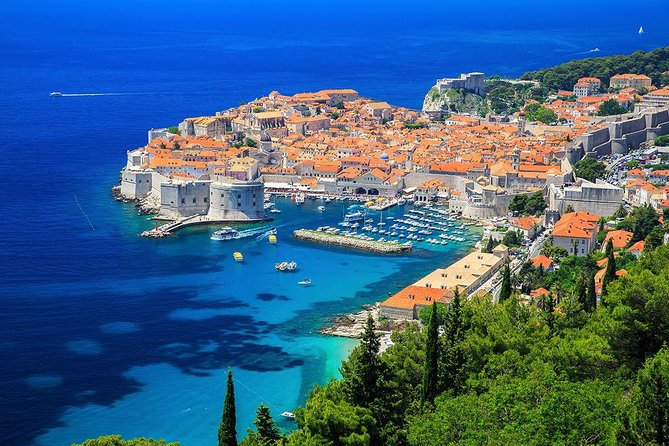
Day 8 includes a Dubrovnik cable car ride up to Srđ Hill for views over the city and islands in the Adriatic. After that, the afternoon is largely for Dubrovnik’s old town exploration: UNESCO-protected setting, famous walls, fortresses, and bastions, plus the chance to walk and absorb the place at your own speed.
This two-day structure works well because it avoids the common mistake of trying to conquer Dubrovnik in one rushed sprint. You get the hill view to understand the layout, then you spend serious time inside the walls.
Consideration: Dubrovnik’s old town can involve a lot of steps and sun exposure. Bring sunscreen and water, and plan to slow down when needed.
Bay of Kotor in Montenegro: Perast islands and the fortress hike before heat
Day 9 moves into Montenegro with a first stop in Perast, a baroque town paired with stunning island sights in Kotor Bay: Sveti Đorđe and Gospa od Škrpjela.
You’ll do a boat ride to the Basilica of our Lady on the Rocks (Gospa od Škrpjela). Then you drive through Boka Kotorska, check in in Kotor, and get lunch and free time with a chance to relax and even swim.
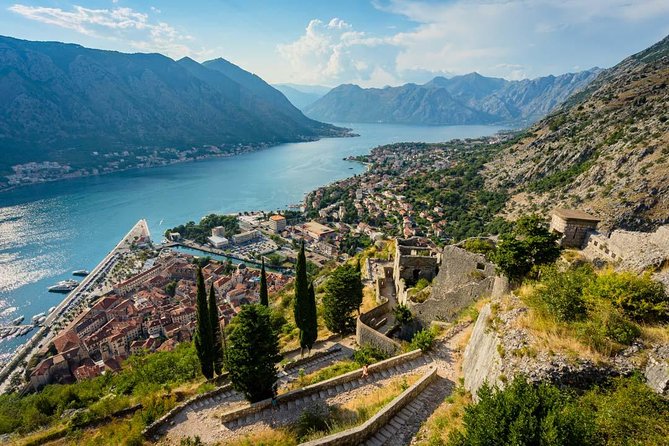
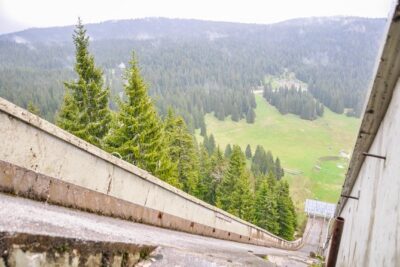
Day 10 is timed for comfort: you hike up toward the fortress early enough that it’s not too hot and sunny. The hike is described as easy and around two hours to reach the top viewpoint over the whole Kotor Bay. After heading back down, you get free time in the old town.
What makes Kotor feel special here is the pairing: boat + bay + fortress viewpoint. You don’t just see the coast. You see it from the water and then from above, so the whole bay shape makes sense.
Practical tip: even with an easy hike, bring good footwear and a hat. The sun can sneak up fast once you’re above town.
Mostar’s Old Bridge and Ottoman-era corners, plus a tough-adventure turn toward rafting
Day 11 takes you back to Bosnia and heads to Trebinje briefly, then onward to Mostar, the southern city you don’t want to rush.
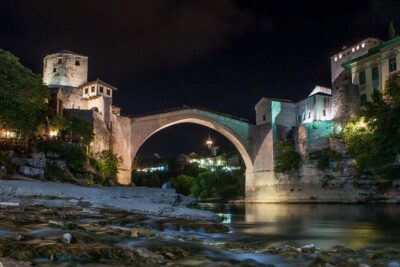
After check-in, you do a Mostar city tour that covers the Old Bridge (UNESCO), the Old Town (Kujundžiluk), Karađoz-bey’s mosque, and Kriva ćuprija. You also get free time to explore on your own, which is perfect in Mostar because the best moments often happen between planned stops—cafés, side streets, and river views.
Then day 12 starts with the kind of stop that adds context in an unexpected way: Tito’s Nuclear Bunker at Konjic, followed by rafting prep at a rafting base.
This is where the trip becomes more than sightseeing. You shift into a history + action mode. If you like varied energy in your travel days, that contrast is a win.
Tito’s bunker and 23 km rafting: history underground, adrenaline on top
Day 12 is two big experiences packed into one day.
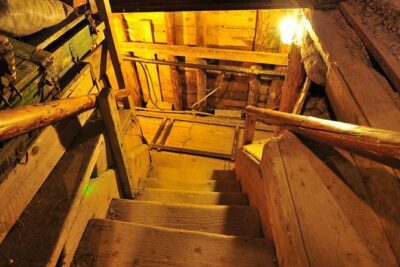
First: a tour of Tito’s nuclear bunker, described as one of the best kept secrets of former Yugoslavia. It was built to protect 350 members from the highest leadership in case of a nuclear attack. The construction ran from 1953 to 1979, with a reported cost of 4.6 billion USD. It sits under Mount Zlatar, with the deepest point 280 meters underground. That’s a heavy subject, and it’s the kind of visit that makes you see the region’s past as something physical, not just a headline.
Then you shift gears to rafting: you head to the rafting base to prepare, and the rafting itself is 23 km, lasting about five hours. Equipment is provided, including neoprene suit, life jacket, shoes, and helmet.
Why this works for most people: you get a structured, safe-sounding adventure package. You’re not renting random gear or guessing at what you need. You also get the feeling that the tour team is managing risk and details, not just moving you between monuments.
If you’re prone to motion sickness or sensitive to cold water, you’ll want to dress smart and follow the guide’s advice for gear and timing.
Lukomir by jeep and the Umoljani village trek: a calmer day at high altitude
Day 13 turns more rural and more local.
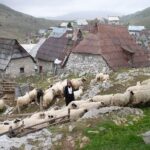
You start with breakfast, then ride by jeep with breaks on mountain Bjelašnica. The plan is to reach Selo Lukomir, then do a village tour around the highest populated place in Bosnia and Herzegovina, described as the last traditional Bosnian village.
After lunch (traditional Bosnian meals made from organic ingredients), you get time to relax, then head for a two-hour trekking tour to Umoljani.
This day stands apart because it doesn’t try to cram in ten famous sights. It’s a slower “walk and look” experience, with a strong community focus. If you want your Balkan trip to include more than big-name towns, this is the kind of day that makes the whole journey feel human.
Practical note: trekking at altitude can feel different from city walking. Wear layers and comfortable shoes you trust.
Back to Sarajevo: a final airport shuttle day
Day 14 is straightforward. After breakfast, you depart with organized transport to Sarajevo International Airport.
This is the kind of ending that avoids last-day stress. You’re not hunting for your own ride, and you’re not guessing about timing. It’s also a good moment to take stock: you’ll have seen Sarajevo’s old streets, Croatia’s Adriatic highlights, and Montenegro’s bay views, then returned to your starting point.
Who this private Balkan tour fits best
This tour suits you if you want a guided, private-feeling Balkan route that still gives you free time blocks. It’s also great if you like mixing city and nature instead of going all-in on one type of travel.
You’ll probably enjoy it most if:
- You like organized transport and don’t want to plot daily logistics.
- You’re comfortable with active days: hikes in Plitvice, fortress views in Kotor, and rafting.
- You value local guides who explain context, not just point at buildings.
The private group format is a big plus for many people. One of the best repeated themes is how guides act like a real team, not a script. The names Sanjin, Aldin, Amella, Jelle, and Martina come up in the supporting material you provided, and that gives you a sense that the same people show up consistently.
Should you book this 14-day Balkan private tour?
I’d book it if your ideal trip looks like this: big highlights (Dubrovnik walls, Kotor Bay viewpoints, Plitvice lakes) plus active days (rafting, hikes) plus enough guide time that you don’t leave confused.
I would pause before booking if:
- You want a super relaxed vacation with minimal walking.
- Weather swings matter a lot to your plans, since the experience is noted as weather-dependent.
- You’re arriving late and don’t want to deal with the 10:00 am start at Butmir Airport.
If that’s you, you might prefer a shorter, more flexible route. But if you like structured days with real variety—and you’re happy letting the team handle the transfers and meals—this looks like a strong, efficient way to see a lot of the Balkans without feeling rushed at every single stop.
FAQ
Is airport pickup included?
Yes. The tour includes a Sarajevo airport shuttle at the start and organized transport back to Sarajevo International Airport on the last day.
What cities and regions does the itinerary cover?
The route includes Sarajevo (Bosnia and Herzegovina), Zagreb (Croatia), Ljubljana (Slovenia), Lake Bled, Plitvice Lakes National Park, Split, Ston, Dubrovnik, Kotor (Montenegro), Perast, Mostar, Trebinje, Konjic, and Lukomir/Umoljani in Bosnia.
Are meals included?
Yes. The package includes breakfast and dinner, plus lunch on 13 days.
Is the tour private?
Yes. It’s described as a private tour/activity, meaning only your group participates.
What activities are included besides sightseeing?
The itinerary includes nature and activity days such as visiting Trebević, hiking in Plitvice Lakes National Park, seeing Štrbački buk waterfalls in Una National Park, a Dubrovnik cable car ride, a fortress hike in Kotor, Tito’s Nuclear Bunker tour, 23 km rafting with equipment provided, and a jeep trip and trekking in the Lukomir/Umoljani area.
Does weather affect the experience?
Yes. The experience notes that it requires good weather. If it’s canceled due to poor weather, you’ll be offered a different date or a full refund.
You Might Also Enjoy
More Tour Reviews in Sarajevo
- Fall of Yugoslavia, Sarajevo War Tour with Tunnel of Hope Museum and Frontlines
★ 5.0 · 1,314 reviews