REVIEW · SARAJEVO
Srebrenica Genocide Tour from Sarajevo
Book on Viator →Operated by Torus Tours · Bookable on Viator
Srebrenica is a day trip with no soft edges. It’s built around the Srebrenica Genocide Memorial Center and the town itself, so you come away with context for one of the darkest episodes of the Bosnian War. I like that the day is tightly structured—you get history, evidence, and place—without wasting time.
I also appreciate the small group setup (max 8 travelers) and the way Torus Tours brings in professional guidance, including Vekas, who makes the information clear and human. The main drawback? Expect very confronting video and images, including footage shown inside the memorial center.
Key highlights to know before you go
- Small group size (up to 8) keeps the pace steady and the questions easier
- Pickup offered makes the Sarajevo start simpler, especially for a 9:00 am departure
- Srebrenica Memorial Center focus with free admission time set aside
- Graphic evidence is shown (video footage, photos, and the reality of mass graves)
- A guide-led city stop in Srebrenica adds context beyond the memorial rooms
- Bill Clinton’s 2003 opening and the early identifications are part of the story you’ll learn
In This Review
- A Somber, Direct Day Trip to Srebrenica from Sarajevo
- Getting There: The 2.5-Hour Sarajevo Drive and Your 9:00 Start
- Srebrenica Genocide Memorial Center: Where the Story Becomes Clear
- Seeing the Evidence: Footage, Photos, and the Reality of Mass Graves
- The Bill Clinton Opening and the First Identifications
- Srebrenica Town Stop: Context Beyond the Memorial Rooms
- Guide and Group Size: How Vekas Keeps It Human
- Price, Time, and Value: Is This $116.36 a Good Deal?
- What to Expect Emotionally (and How to Prepare Respectfully)
- Who This Tour Fits Best
- Should You Book This Srebrenica Tour?
- FAQ
- What time does the tour start?
- Where does the tour meet in Sarajevo?
- How long is the Srebrenica day trip?
- What stops are included?
- Is the memorial admission included?
- How big is the group?
- Is free cancellation available?
A Somber, Direct Day Trip to Srebrenica from Sarajevo
This isn’t a sightseeing day. It’s a place-and-context day. You’ll be in Srebrenica long enough to understand what happened, why the world recognized it as genocide, and how the aftermath still reaches into daily life.
I like that the experience stays focused. Instead of a long list of stops, it centers on the memorial complex, where the story is presented with evidence. I also like that you don’t just stay in a room—you get time connected to the broader town setting.
The mood is heavy. You should go ready for that, not expecting a casual outing.
Getting There: The 2.5-Hour Sarajevo Drive and Your 9:00 Start
Plan on a long day. The drive from Sarajevo to Srebrenica is roughly 2.5 hours each way, and the full tour runs about 8 to 10 hours. The start is 9:00 am, with the tour beginning at TORUS Tours, Obala Isa-bega Ishakovića 3.
That timing matters. You’ll get fewer distractions and more quiet travel time, which helps when you’re heading toward an emotionally intense site. It also helps if you prefer to have the hardest part done early rather than building up dread all day.
One more practical note: you’ll be on a coach/vehicle for hours, so dress for real travel comfort. If you’re the kind of person who gets restless in cars, it’s worth bringing a small distraction for the ride.
You can also read our reviews of more tours and experiences in Sarajevo.
- Fall of Yugoslavia, Sarajevo War Tour with Tunnel of Hope Museum and Frontlines
★ 5.0 · 1,314 reviews


Srebrenica Genocide Memorial Center: Where the Story Becomes Clear
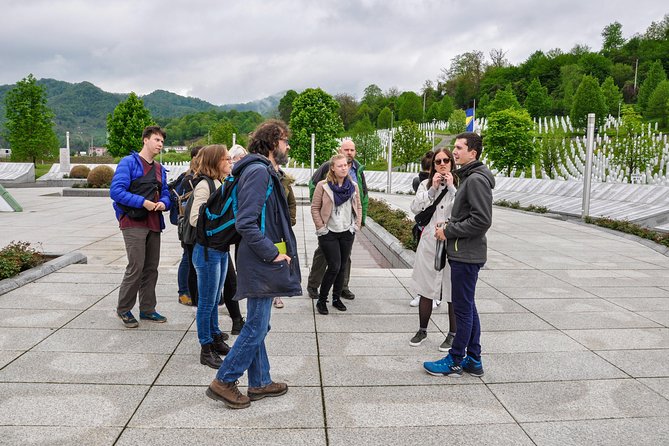
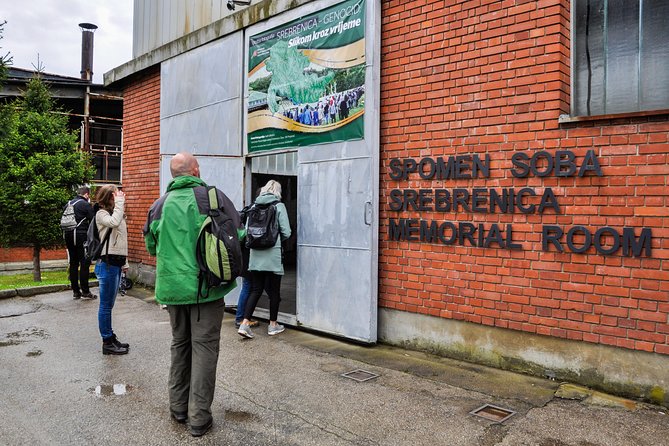
The heart of the day is the Srebrenica Genocide Memorial Center. This is where the massacre of more than 8,000 Bosniaks—mainly men and boys, but also women and children—gets explained with details you can’t unlearn.
You’ll learn how July 1995 turned into mass killing in and around Srebrenica during the Bosnian War. You’ll also hear that the International Criminal Tribunal for the Former Yugoslavia later declared it a genocide. That legal label isn’t trivia; it shapes how you understand the intent and the systematic nature of what occurred.
The tour sets aside about 2 hours at the memorial, and the admission for that stop is free. Two hours may sound short, but this is not the kind of place where you rush through. If you need more time in one area, keep close to your guide’s pacing so you don’t end up cutting off parts of the memorial experience.
Seeing the Evidence: Footage, Photos, and the Reality of Mass Graves
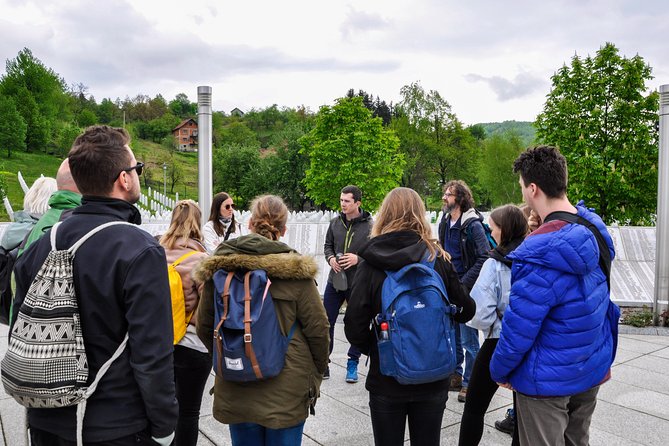
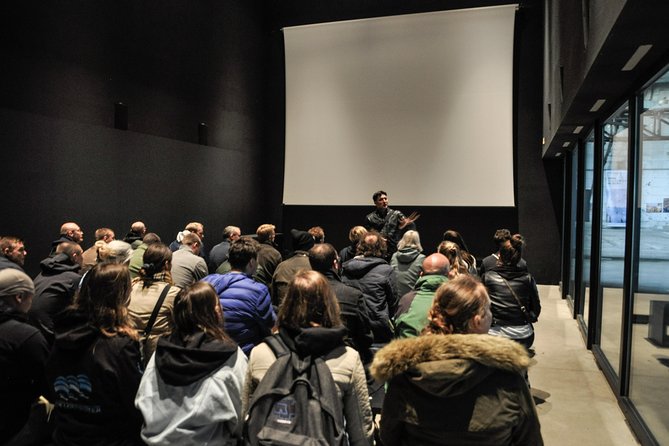
This is the part people remember. The memorial includes video footage from the time period, and the information is not presented as sanitized history. The goal is to show what happened, not to soften it.
One detail that stood out in the experience: there’s reference to a space associated with refuge during that period—one account notes seeing the factory area where over 25,000 people sought refuge, and that walking through it made a big impact. If that matches what’s shown when you visit, expect it to feel both physical and unsettling, because the refuge story sits right next to the tragedy.
You’ll also learn about how victims were buried in mass graves, and how many victims still remain unidentified or unrecovered. That fact is part of why the memorial feels unfinished in a way other museums don’t. It’s history with open questions still attached.
If you’re sensitive to graphic or intense content, I’d treat that as a serious planning factor, not a last-minute surprise. Come with the mindset that this is difficult on purpose.
The Bill Clinton Opening and the First Identifications
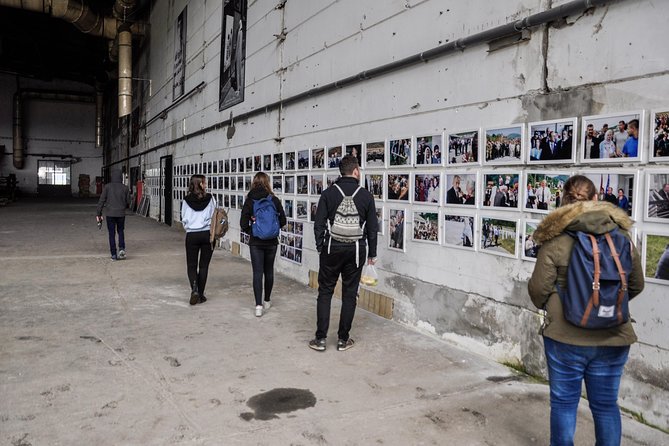
The memorial doesn’t only describe the killings. It also carries you into the long aftermath—documentation, legal recognition, and the slow work of identifying victims.
You’ll hear that the memorial was officially opened by former U.S. President Bill Clinton in September 2003. You’ll also hear that in March 2003, the first group of 600 victims was identified. Those dates matter because they show the transition from wartime horror to years of recovery and evidence-building.
For you, this context is useful because it counters a common travel-museum problem: the sense that atrocities are frozen in the past. Here, you get reminders that recognition, naming, and identification take time—often decades.
Srebrenica Town Stop: Context Beyond the Memorial Rooms
After the memorial center, the tour includes the city of Srebrenica. This is a key part of the balance. It helps you connect what you learned to the place people still live around today.
I like having at least a little time outside the museum setting. It changes your understanding from a one-room experience into a real geography story. You get a chance to see how the memorial theme fits into the wider area rather than staying locked in exhibit panels.
How much time you have in town depends on the day’s schedule, but the presence of the city stop is a value add. It’s one more step toward understanding place, not just events.
- Fall of Yugoslavia, Sarajevo War Tour with Tunnel of Hope Museum and Frontlines
★ 5.0 · 1,314 reviews

Guide and Group Size: How Vekas Keeps It Human
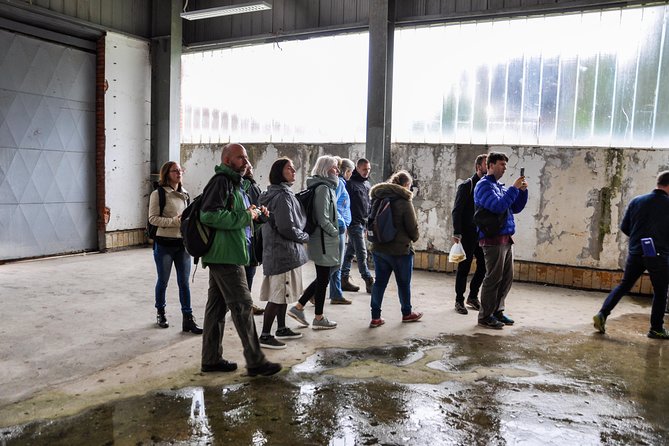
Small groups matter on tours like this. This one caps at 8 people, and that size makes a difference when content is intense. You’re less likely to feel rushed, and the guide can move between topics with less chaos.
In one example of what to expect, the tour was organized smoothly with Kamer, and the guide Vekas was described as professional and informative, tailoring the pace to the group. That kind of approach matters here, because the information needs room to land.
Good guidance also helps you ask the practical questions you’d otherwise keep to yourself: What does the safe zone context mean? How did international systems respond? Why is the memorial structured this way? A guide who can answer without turning the subject into a lecture makes the day more usable.
Price, Time, and Value: Is This $116.36 a Good Deal?
At $116.36 per person, this tour sits in the “worth it if you’re serious” category. It’s not a budget filler, but you’re paying for more than entry fees.
Here’s where the value comes from:
- Transport from Sarajevo for a long drive (about 2.5 hours each way)
- Guided time to interpret what you’re seeing at the memorial
- A structured visit that includes the memorial center and Srebrenica town
- Free admission for the memorial stop, based on the schedule details
- Small group size that helps the experience feel manageable
Also, you’re not just buying access to a site. You’re buying time with interpretation. In places like this, that’s the difference between reading captions and actually understanding the story.
Is it a drawback that it’s not cheap? It can be, especially if your schedule is tight. But if you’re visiting Sarajevo and want a complete, guided day with proper framing, the price looks more justified.
What to Expect Emotionally (and How to Prepare Respectfully)
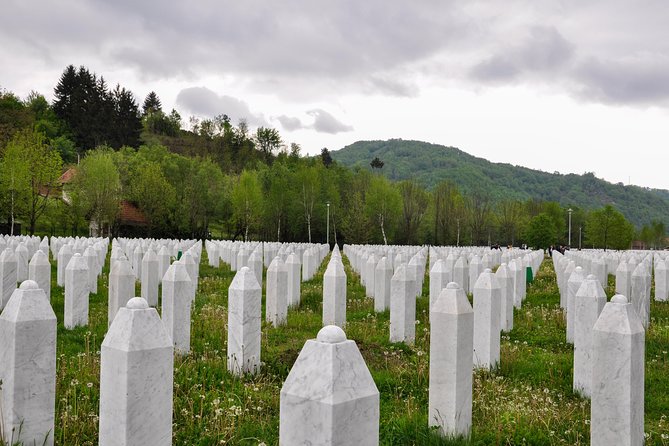
You should treat this day as emotionally serious. The memorial includes confronting images and footage, and that’s not an optional feature—it’s central to how the site communicates truth.
I’d plan for two realities:
1) Some parts may feel hard to watch or hard to process.
2) Even when you’re not looking at a screen, the themes stick with you—especially details like unfinished identification work.
Practical prep helps. Wear comfortable shoes for walking inside and around memorial spaces. Bring a bottle of water if you’re allowed to during the visit. If you take breaks, do it without rushing yourself back into the exhibits.
If you’re traveling with someone who wants a lighter day, this may not match their pace. But if you want real understanding, this tour is built for that purpose.
Who This Tour Fits Best
This experience fits you if:
- You want a guided, evidence-focused visit rather than a self-paced stop
- You’re in Sarajevo and want to understand Srebrenica with clear historical context
- You prefer small groups and a guide who can pace the day
- You’re willing to handle difficult content with respect and seriousness
It’s not the best fit if your main goal is casual sightseeing or if you don’t want to engage with graphic material.
If you’re the kind of person who likes to connect facts to place—then yes, this works.
Should You Book This Srebrenica Tour?
If you’re visiting Sarajevo and you care about understanding the recent history that shaped Bosnia, I think this is a strong choice. The structure is sensible: a guided memorial visit with time to absorb it, then a town stop for perspective. The small group cap and professional guidance (with names like Kamer and Vekas showing up in the way the day runs) are exactly what you want on a day like this.
Book it if you’re ready for a heavy, factual experience. Don’t book it if you’re hoping for a lighter day trip or if you know graphic footage and images will be too much for you.
FAQ
What time does the tour start?
The tour starts at 9:00 am.
Where does the tour meet in Sarajevo?
The meeting point is TORUS Tours, Obala Isa-bega Ishakovića 3, Sarajevo 71000, Bosnia and Herzegovina.
How long is the Srebrenica day trip?
The duration is approximately 8 to 10 hours.
What stops are included?
You’ll visit the Srebrenica Genocide Memorial Center and the city of Srebrenica.
Is the memorial admission included?
For the memorial stop, the schedule notes admission ticket free.
How big is the group?
The tour has a maximum of 8 travelers.
Is free cancellation available?
Yes. You can cancel for a full refund up to 24 hours in advance of the experience’s start time.
You Might Also Enjoy


More Tours in Sarajevo
- Fall of Yugoslavia, Sarajevo War Tour with Tunnel of Hope Museum and Frontlines
★ 5.0 · 1,314 reviews


More Tour Reviews in Sarajevo
- Fall of Yugoslavia, Sarajevo War Tour with Tunnel of Hope Museum and Frontlines
★ 5.0 · 1,314 reviews