REVIEW · SARAJEVO
PRIVATE Sarajevo Under Siege War Tour
Book on Viator →Operated by Torus Tours · Bookable on Viator
Sarajevo’s siege story lands fast. This private Under Siege war tour connects you with the places tied to the siege and the war’s opening moments, then shifts to the ruined 1984 Olympic sites and the mountain overlooks around the city. I especially like how it starts at the Tunnel of Hope, with a short movie and museum time that puts the story in order. I also like the way the route mixes serious stops with big outdoor views.
The main consideration: this is compact and emotionally heavy. You’ll move through several strong sites within a 3 to 4 hour window, so if you need long breaks or a softer pace, this setup may feel intense.
In This Review
- Key highlights you’ll actually care about
- Entering Sarajevo’s story through the Tunnel of Hope
- The Tunnel of Hope: movie, museum, and why it mattered
- From front lines to Sniper Alley and Sniper Nest
- Trebević and the 1984 Winter Olympics tracks, now damaged
- The Olympic village damage and the city’s altered spaces
- Pickup, timing, and what you’re paying for ($76.40)
- Who should book this Sarajevo Under Siege tour?
- Should you book the Private Sarajevo Under Siege War Tour?
- FAQ
- How long is the Private Sarajevo Under Siege War Tour?
- What does the $76.40 price include?
- Is pickup available?
- Is this tour private?
- What sites do you visit besides the Tunnel of Hope?
- Is the tour near public transportation?
- What if I need to cancel?
Key highlights you’ll actually care about
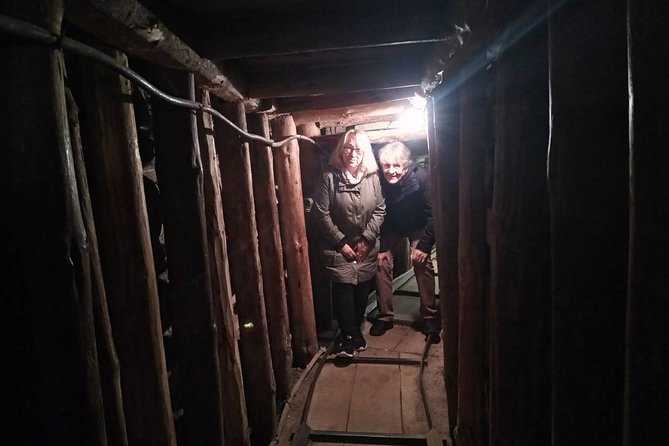
- Tunnel of Hope movie + museum time to understand why the tunnel mattered during the siege
- Mountain front-line viewpoints that help you picture why the city was surrounded
- Sniper Alley and Sniper Nest stops that show how the conflict shaped daily life
- 1984 Winter Olympics ruins at Sarajevo’s bobsleigh and luge tracks on Trebević
- A private format where only your group participates, guided by a specialist (often noted: Mido)
Entering Sarajevo’s story through the Tunnel of Hope
If you want to get your bearings fast in Sarajevo, this tour has a smart backbone. It begins at the Tunnel of Hope, the kind of place where facts stick because you can see the space where people lived through the siege. The format matters: you don’t just stand and read. You watch a short film with authentic war footage, then you get museum context that ties the tunnel to the bigger siege timeline.
I also like that the tour doesn’t treat the tunnel as a standalone stop. It’s the starting point for the route’s bigger goal: understanding what siege meant day to day and why certain locations became so important. That’s why the early time investment pays off later. When you move from the tunnel into the siege-era sights, you’re not guessing what you’re looking at.
One practical plus: the Tunnel of Hope stop includes admission ticket time and runs about an hour. So you’re guaranteed a meaningful slice of explanation, not just a quick pass-by.
You can also read our reviews of more private tours in Sarajevo
The Tunnel of Hope: movie, museum, and why it mattered
This is the core stop, and it’s built to do two jobs at once: show you the human side and give you a clear timeline. The short movie uses authentic footage, which helps you understand why the tunnel wasn’t a symbolic idea. It was a lifeline route during the siege of Sarajevo.
Then the museum adds the layers you’ll want when you’re standing on site and trying to connect details. You can expect history presented in a way that supports what you just saw in the film, so the tunnel’s role clicks rather than staying abstract.
If you’re the type of person who likes to understand cause and effect—why something became necessary, and what it changed—this stop delivers. And if you’re bringing a child, it can still work. One single mom traveling with a 5-year-old said the heavy history came balanced with nature and beauty on the mountain stretches later in the day. That balance is partly why the tunnel is the first anchor: it sets the tone without swallowing the whole experience.
From front lines to Sniper Alley and Sniper Nest
After the tunnel, the tour keeps moving through places that helped shape how the siege unfolded. You’ll see the areas connected to when the Bosnian war started, then you’ll look at front-line positions on the mountains around Sarajevo. Those mountain overlooks aren’t just scenic. They help you understand geography as strategy—why certain lines were watched, why movement was risky, and why the city’s built layout mattered.
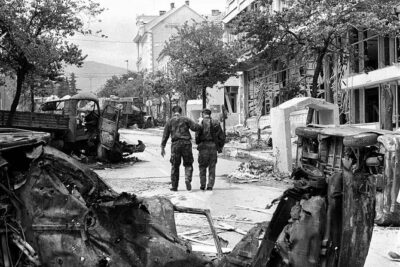
Next comes the most intense section: the Sniper Alley and Sniper Nest stops, plus a look at an abandoned hotel connected to the siege period. The attraction here isn’t shock value. It’s specificity. You’re shown locations tied to how people survived, how threat was maintained, and how the siege imprinted itself on ordinary spaces.
A fair caution: these are heavy stops. Even if you’re prepared, you’ll likely want a moment to steady your thoughts after learning what happened there. I’d treat the emotional weight as part of the value, not a problem to “get through.” If you can hold serious context while still appreciating the city around it, you’ll get more out of this section than someone who rushes.
Trebević and the 1984 Winter Olympics tracks, now damaged
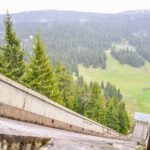
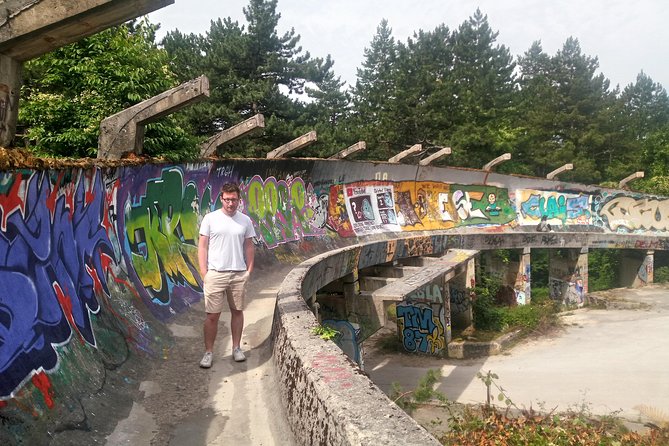
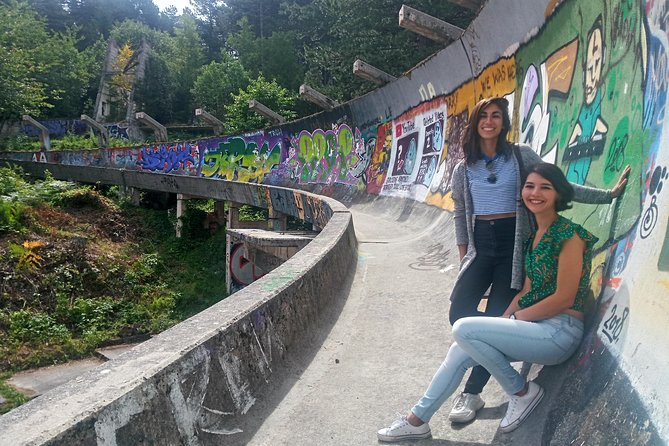
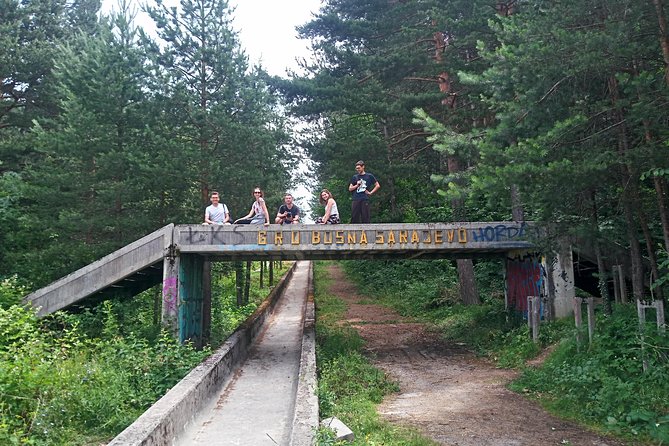
Then the route pivots—slowly at first, but it becomes obvious as you go. You’ll visit the Trebević bobsleigh track area, once a proud feature of Sarajevo’s 1984 Winter Olympic games, now fallen into ruin after military actions. Another stop continues the Olympic theme at the Sarajevo Olympic bobsleigh and luge track.
The payoff here is perspective. You’ve just been in siege-era realities; now you see how conflict can freeze time and leave behind physical scars. The bobsleigh and luge sites are perfect for that. These aren’t generic monuments. They’re built for speed and precision, and seeing them damaged makes the loss feel concrete.
Timing helps too. Each of these Olympic-track stops is short—about 20 minutes each—so they’re easy to absorb even if you’re coming off more intense moments. Also, admission at these two bobsleigh stops is free, which is a nice little value boost during a day packed with included components.
If you love sports history, you’ll get extra from the Olympic context. If you don’t, you’ll still appreciate the contrast: Sarajevo’s world-stage moments, interrupted.
The Olympic village damage and the city’s altered spaces
A big part of the tour’s impact comes from how it treats the Olympic sites as part of the city’s bigger story. You’ll also visit the Olympic Village, damaged during the war. That matters because it shows the siege effect beyond the front lines—how the conflict touched the places built for global attention and community life.
This is where the tour’s flow can feel especially effective. The Olympic stops work like visual footnotes to the siege sites you’ve already seen. You start realizing that Sarajevo’s war wasn’t only about battles on hills. It was also about damaged routines, broken infrastructure, and spaces that never fully returned to their original purpose.
And because this is a private tour, the guide can keep the pacing sensible for your group. If you pause to ask questions, you’re not competing with a large crowd for attention.
- Fall of Yugoslavia, Sarajevo War Tour with Tunnel of Hope Museum and Frontlines
★ 5.0 · 1,314 reviews

Pickup, timing, and what you’re paying for ($76.40)
Let’s talk value, because $76.40 isn’t cheap or outrageous for a focused 3 to 4 hour tour. The reason it can feel worth it is the mix of included elements and real logistics.
You get pickup offered, and the starting point is Torus Tours on Obala Isa-bega Ishakovića 3. The tour also ends back at the meeting point, so you’re not solving transport at the end of a heavy day. It’s near public transportation, which is useful if you need backup plans.
The ticket value matters too. The Tunnel of Hope stop includes admission ticket time, and the route includes the short war movie component. The two Olympic-track visits include free admission, which helps keep the day from turning into a constant add-on cost.
Also, the format is private—only your group participates. That usually means you can get clearer answers without feeling rushed. If your guide is Mido, the reviews emphasize his calm, clear approach and strong historical context, and that kind of guidance makes a big difference at sites like Sniper Alley and Sniper Nest where the details matter.
Two small timing realities to keep in mind:
- The route is designed to cover multiple distinct areas in one day, so you’ll be moving through several places rather than lingering.
- The Olympic and bobsleigh stops are brief, which is good for energy, but not ideal if you want deep time for photos or independent wandering.
If you’re planning ahead, note that on average this tour gets booked about 21 days in advance. If you’re traveling in a busy season, book earlier to avoid date gaps.
Who should book this Sarajevo Under Siege tour?
This is a strong fit if you want an organized introduction to Sarajevo’s siege-era landmarks without piecing together routes on your own. It’s also a good match if you like a guide who can connect geography, events, and what you’re physically looking at.
It can work for families too, as long as your child can handle serious themes. One review story included a single mom traveling with a 5-year-old who found the day balanced with nature and beauty—especially the mountain views—alongside the weightier parts.
You might want a different option if:
- You know you want a lighter tone and fewer heavy stops.
- You prefer lots of free time at each site. This tour is structured, with shorter windows at some locations.
- Your group needs a very slow pace.
Should you book the Private Sarajevo Under Siege War Tour?
I’d book it if your goal is to understand Sarajevo’s siege context through key places in a single, well-timed outing. The combination of the Tunnel of Hope (movie + museum), mountain front-line viewpoints, and specific siege locations like Sniper Alley and Sniper Nest gives you a story arc you can actually remember. Add in the Olympic bobsleigh/luge ruins and Olympic Village damage, and you get an honest picture of what war changed—physically and emotionally.
If your group can handle serious history and you want guided structure, this is a smart way to start a Sarajevo visit. Just go in expecting emotional weight and a steady pace.
FAQ
How long is the Private Sarajevo Under Siege War Tour?
It runs about 3 to 4 hours in total.
What does the $76.40 price include?
The Tunnel of Hope stop includes admission ticket time, and the route also includes a short movie with authentic war footage. The bobsleigh track stops at Trebević and the Olympic bobsleigh/luge track have free admission.
Is pickup available?
Yes. Pickup is offered, and the tour starts at Torus Tours on Obala Isa-bega Ishakovića 3 in Sarajevo.
Is this tour private?
Yes. It’s a private activity, so only your group participates.
What sites do you visit besides the Tunnel of Hope?
You’ll see siege-related locations including front-line viewpoints on the mountains around Sarajevo, Sniper Alley, Sniper Nest, an abandoned hotel, plus the Trebević bobsleigh track and Sarajevo’s Olympic bobsleigh and luge track, and the Olympic Village area damaged during the war.
Is the tour near public transportation?
Yes. The meeting area is near public transportation.
What if I need to cancel?
You can cancel for a full refund if you cancel up to 24 hours in advance. If you cancel less than 24 hours before the start time, the amount paid is not refunded.
You Might Also Enjoy

More Private Tours in Sarajevo
More Tours in Sarajevo
- Fall of Yugoslavia, Sarajevo War Tour with Tunnel of Hope Museum and Frontlines
★ 5.0 · 1,314 reviews

More Tour Reviews in Sarajevo
- Fall of Yugoslavia, Sarajevo War Tour with Tunnel of Hope Museum and Frontlines
★ 5.0 · 1,314 reviews