REVIEW · SARAJEVO
Tunnel Museum: Bosnian & Yugoslav Wars Tour with War Veteran
Book on Viator →Operated by Dream Balkans Travel · Bookable on Viator
This is not a dusty museum day. It’s a 4-hour Sarajevo walk-through of how the siege worked, told with a war veteran perspective and backed by key sites you can still see today.
I especially like the way the drive lines up with what you’ll watch at the Tunnel of Hope, so the story clicks faster. I also like the practical comfort—air-conditioned transport, tight timing, and enough stops to feel like a real tour instead of a rush. A possible drawback: it’s emotionally heavy, and the schedule assumes at least moderate physical fitness.
You’ll start near central Sarajevo and spend the afternoon moving between frontline landmarks, memorials, and viewpoints, plus a one-hour presentation at the War Tunnel Museum. The group stays small (up to 20), and in real use you may be in a very small van, which makes it easier to ask questions and get personal answers (guides like Adis, Ibrahim, Adnan, and Enes are repeatedly mentioned for that). If you prefer light, fluffy sightseeing, this one might feel too intense.
In This Review
- Key highlights worth your time
- Price and Logistics: what $36.28 buys you in Sarajevo
- Meet at Ferhadija: getting oriented fast before you hit the war sites
- Riding with a war veteran guide: the story stays personal
- Markale, Eternal Flame, and Sniper Alley: Sarajevo’s memory landmarks in motion
- Markale massacres
- Eternal Flame
- Sniper Alley
- War Tunnel Museum (Tunnel of Hope): the one-hour presentation that makes it make sense
- Trebević viewpoint and the Olympic track remnants: where “high ground” becomes real
- Jewish Cemetery Sarajevo and the Yellow Fortress: Old Sarajevo beyond the siege
- Jewish Cemetery Sarajevo
- The Yellow Fortress
- What the best guides do: pacing, questions, and small-group attention
- Who should book this tour (and who might want a different one)
- Should you book Dream Balkans Travel’s Tunnel of Hope war tour?
- FAQ
- How long is the tour?
- Is the tour offered in English?
- What’s included in the price?
- Is the War Tunnel Museum admission included?
- Is food provided during the tour?
- Is hotel drop-off included?
- What cancellation options do I have?
Key highlights worth your time
- War veteran explanations that tie streets and buildings to real decisions
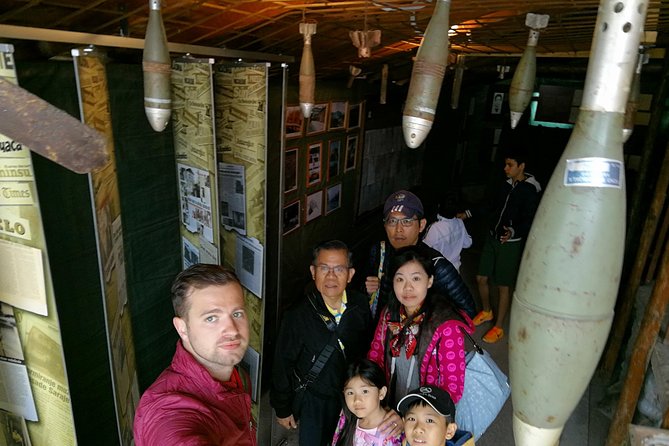
- A Tunnel of Hope museum presentation that shows why a tunnel mattered
- Siege-era landmarks like Markale, Sniper Alley, and Trebević viewpoints
- Comfort-first logistics: air-conditioned car or minivan, small group size
- Bonus Sarajevo extras: Old Town sights plus the Jewish Cemetery and Yellow Fortress
Price and Logistics: what $36.28 buys you in Sarajevo
At about $36.28 per person for roughly 4 hours, this tour sits in the “high value” category because you’re getting transport, a guide, and multiple major siege-related locations packed into one afternoon. You’re not just buying entry to a museum—you’re buying context and interpretation, which is the real scarce resource when you’re traveling.
You’ll ride in an air-conditioned car or minivan, and the tour is offered in English. If you’re staying outside the Old Town area, you can also arrange hotel pickup (hotel drop-off isn’t included). You’ll finish back at the starting meeting point, so you don’t have to figure out the last leg on your own.
The one thing to budget for separately is Tunnel of Hope admission: the War Tunnel Museum presentation is timed into the day, but the museum ticket itself is listed as not included. Also plan on skipping lunch here—food isn’t included—so bring water and consider eating beforehand or after.
You can also read our reviews of more museum experiences in Sarajevo
- Fall of Yugoslavia, Sarajevo War Tour with Tunnel of Hope Museum and Frontlines
★ 5.0 · 1,314 reviews
Meet at Ferhadija: getting oriented fast before you hit the war sites
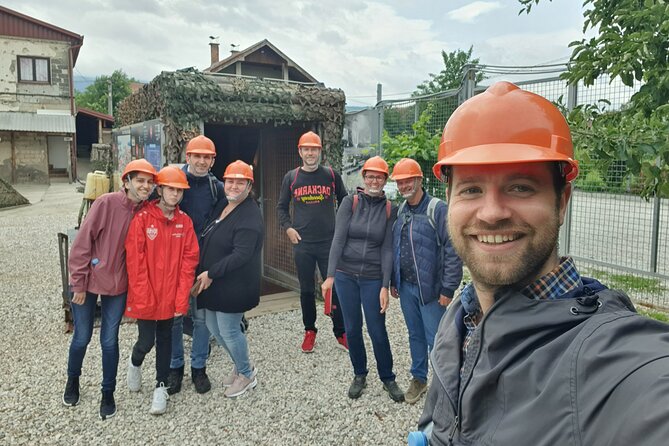
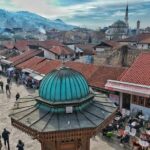
The tour begins in central Sarajevo near the Info Bosnia Tourist Information Center area on the pedestrian street Ferhadija, close to the Sarajevo Meeting of Cultures. After a quick intro, you move to your vehicle and the real learning starts immediately.
On the way, you get a short introduction to the war theme along with key buildings and sites you’ll see again later—plus a short movie at the Tunnel of Hope that ties those visuals together. That matters more than it sounds. When you’re dropped into the siege story without a visual roadmap, it can feel like a random list of tragedies. Here, you get a guided path so the day builds logically.
If you’re the type who likes to ask questions, this portion helps set the tone. Multiple guides are praised for being patient and engaging, even when the group has lots of questions.
Riding with a war veteran guide: the story stays personal
This is the big reason the reviews stay so consistently positive. The tour’s selling point isn’t just local knowledge—it’s firsthand perspective from a guide who lived through the conflict era. You’ll hear details about how normal life flipped into siege life, and you’ll get small, specific references you won’t easily find in a standard guidebook.
Some guide accounts go beyond the siege itself. One guide, Adis, is noted in feedback for sharing that he later worked with demining, which adds another layer: what came after the fighting. Other guides are highlighted for strong storytelling, a calm confidence, and even flashes of humor that keep the group from drowning in darkness.
The balance works. Yes, this is heavy history. But the presentation style is designed to make it understandable—not just tragic.
Markale, Eternal Flame, and Sniper Alley: Sarajevo’s memory landmarks in motion
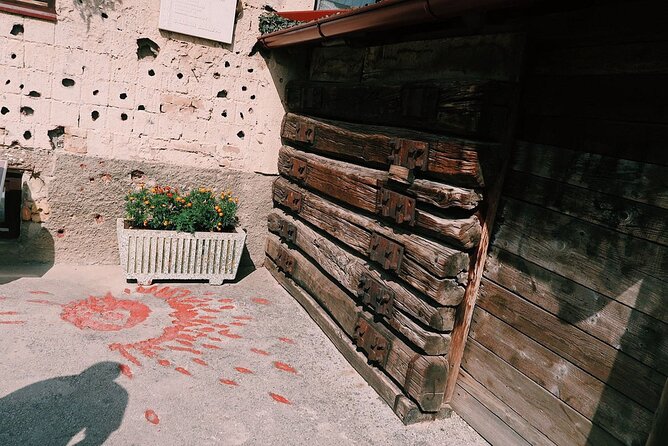
As you head out, you stop for major siege-era reference points that help you understand where civilians were hit and why travel through the city became life-or-death.
Markale massacres
You’ll learn about two separate bombardments carried out during the Siege of Sarajevo, targeting civilians. This is one of those stops where the purpose is less about scenery and more about clarity: you’re learning how the siege escalated and how civilians were deliberately placed in harm’s way.
- Fall of Yugoslavia, Sarajevo War Tour with Tunnel of Hope Museum and Frontlines
★ 5.0 · 1,314 reviews


Eternal Flame
Next is the Eternal Flame memorial, dedicated on April 6, 1946, to military and civilian victims of World War II in Sarajevo. It’s a reminder that Sarajevo’s history of occupation and loss didn’t begin in 1992—and the city holds layers of remembrance.
Sniper Alley
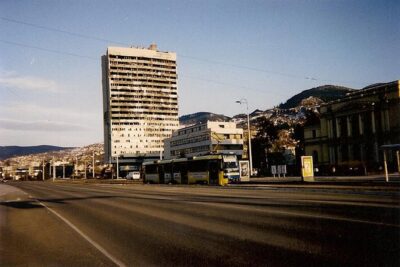
You’ll also hear about Sniper Alley, informally linked to Zmaja od Bosne Street and Meša Selimović Boulevard. During the war, these routes were lined with snipers’ posts, and the boulevard connected Sarajevo’s industrial areas (and onward links like Sarajevo Airport and the Tunnel of Hope) to Old Town’s cultural and historic sites.
That’s the key: geography becomes danger. When you understand the city’s shape, the siege makes more sense.
Practical tip: bring your mental patience here. This isn’t a quick “photo stop” kind of day. Plan to absorb. You’ll come away with a map in your head.
War Tunnel Museum (Tunnel of Hope): the one-hour presentation that makes it make sense
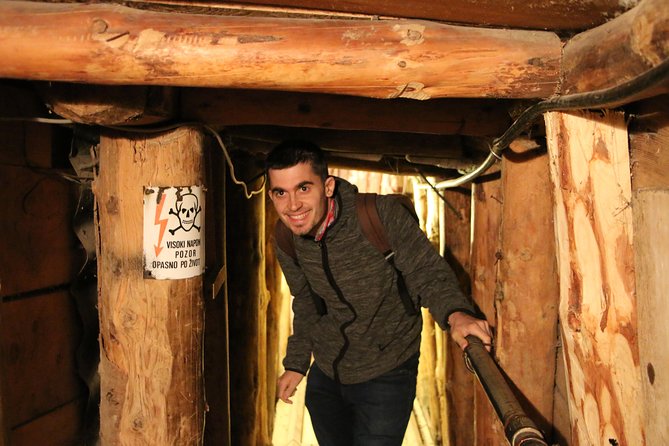
Your main stop is the War Tunnel Museum, the Sarajevo War Tunnel—often called the Tunnel of Hope. Before you enter, you’ll be oriented on where the museum sits and on a famous mark near the entrance called Sarajevo Rose.
Inside, you’ll first see a short movie, then move into a presentation that runs about one hour. The presentation explains the fall of Yugoslavia, the war across the region, the creation and importance of the tunnel, and why it mattered for survival.
This is where the early drive pays off. You’ll have seen several reference locations on the way in—places that connect to what you watch and hear. The result is a stronger cause-and-effect understanding: the tunnel wasn’t just a dramatic engineering feat, it was a response to how Sarajevo was cut off.
If you’re worried about whether this will be too intense for your day, this is still one of the best sections to choose. It’s structured, time-bound, and focused on explanation rather than shock.
Also note the logistics: Tunnel of Hope admission isn’t included, so make sure you factor that into your planning and budget.
Trebević viewpoint and the Olympic track remnants: where “high ground” becomes real
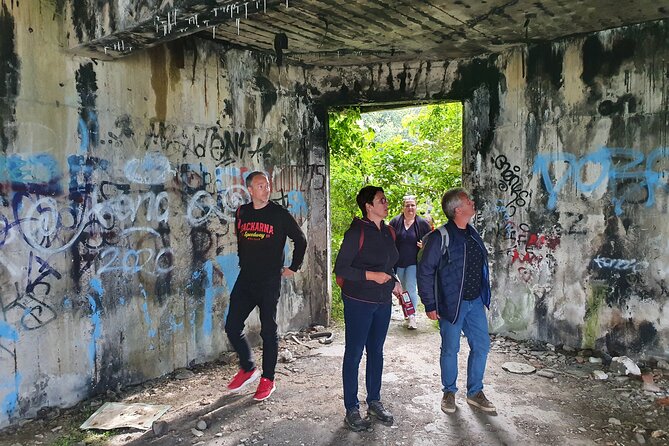
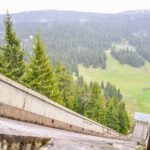
After the tunnel, you head to Trebević, about 84 Olympic mountain. This is one of the closest mountains to Sarajevo’s center and was a first line during the Siege of Sarajevo.
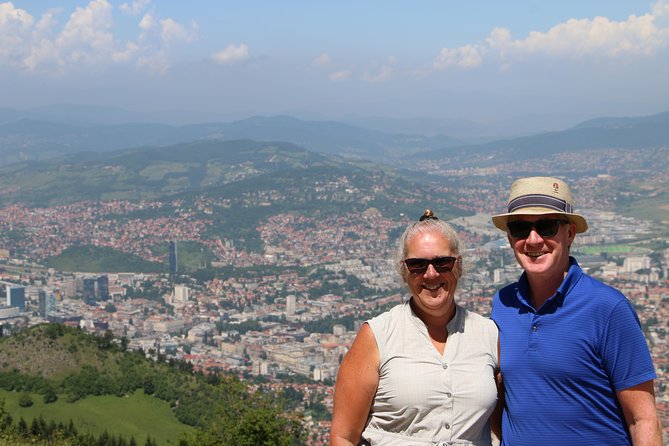
You’ll get around 30 minutes at the site, including the chance to walk at a restaurant location (Hotel restaurant “8”) and enjoy panoramic views of Sarajevo. Those views aren’t just pretty; they help you understand how hills and vantage points can become military problems.
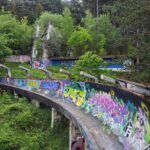
In feedback, the Olympic connection is mentioned often, including the Olympic bobsled and luge runs. Even if you’re not a sports history nerd, seeing the setting where those winter runs took place helps you picture what the city looked like when life was not under siege.
Practical note: your walking time here is brief, but it’s still outdoors. Wear shoes that handle uneven ground and stairs if you’re choosing viewpoints.
Jewish Cemetery Sarajevo and the Yellow Fortress: Old Sarajevo beyond the siege
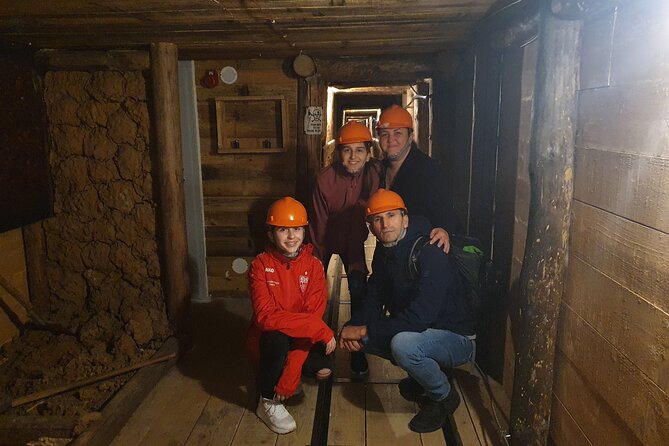
The tour keeps moving, which is a good thing. If you only focus on the tunnel and the worst attacks, you miss the larger truth: Sarajevo is more than 1992 headlines. These next stops widen your sense of place.
Jewish Cemetery Sarajevo
Just under Trebević Mountain sits the second largest Jewish cemetery in Europe. You’ll visit for about 20 minutes and see unique shaped tombstones associated with the region, often believed to be influenced by medieval Bosnian stećci tombstones.
This stop can feel quiet compared to the intense siege sites. That contrast matters. It gives your brain a place to process rather than just absorb more conflict.
The Yellow Fortress
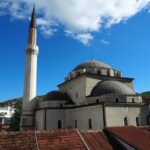
From the cemetery, you’ll head to the Yellow Fortress in the Ottoman part of the city. This is about 20 minutes, and you can see Soldiers’ cemetery plus the resting place of the first Bosnian president from the viewpoints connected to the fortress area.
It’s another geography lesson: Sarajevo’s layers of empires and communities show up in its built environment, not just in written history.
What the best guides do: pacing, questions, and small-group attention
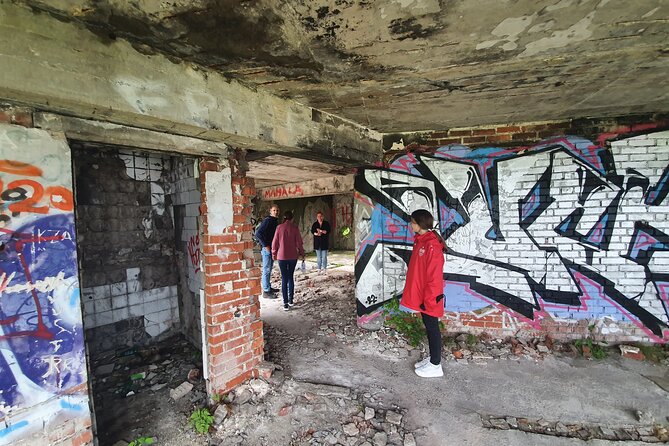
The consistently praised part of this experience is how the guide turns complicated history into something you can follow without losing the emotional weight. More than one guide is described as well-prepared, engaging, and open to questions, with some adding personal anecdotes that make the siege feel close rather than distant.
Pacing also comes up repeatedly. People like that the tour isn’t a frantic sprint. You get time at each stop—Tunnel presentation around one hour, shorter visits at Trebević, Jewish Cemetery, and Yellow Fortress—and the structure helps you stay oriented.
Comfort helps too. Air-conditioned transport is a real practical benefit in Sarajevo, where weather can swing and the day is mostly outdoors at several points. This also means you’re less drained, which helps you absorb what the guide is explaining.
Who should book this tour (and who might want a different one)
I think this tour is perfect if you want a Sarajevo history experience that feels human and grounded in real locations. It’s also a strong choice for people who want a guided explanation of the Siege of Sarajevo that connects the tunnel, the city’s streets, and the attacks into one story.
It may not be the best fit if you want a relaxed sightseeing day. It’s heavy. You’ll be visiting memorials tied to civilian targeting and learning about deadly realities of the siege.
You should also plan for the physical side. The tour notes a moderate fitness level requirement. Most stops are short, but you will be moving around outdoor viewpoints and walking near historic sites.
Kids can come, but they must be accompanied by an adult, which is worth factoring into how you manage attention and emotions.
Should you book Dream Balkans Travel’s Tunnel of Hope war tour?
If you want value, this is an easy yes. For around $36.28 and about 4 hours, you get air-conditioned transport, a guide/driver, multiple major siege-linked stops, and a one-hour presentation at the War Tunnel Museum (with the museum admission ticket sold separately). The biggest payoff is the guide’s firsthand perspective—people repeatedly describe the tour as moving and unusually clear.
I’d book it if you can handle intense history with respect and you prefer real-world context over just photos. I’d think twice if you’re sensitive to war topics or you’re looking for a light, casual city loop.
One last practical tip: bring water, eat before you go, and set expectations that this is a story you’ll need to digest slowly. When you do, it clicks fast—and you’ll leave Sarajevo with a clearer map of what happened and why the Tunnel of Hope mattered so much.
FAQ
How long is the tour?
The duration is about 4 hours.
Is the tour offered in English?
Yes, the tour is offered in English.
What’s included in the price?
The price includes the driver/guide and transport by air-conditioned car or minivan. Hotel pickup is included if you’re staying outside the Old Town of Sarajevo.
Is the War Tunnel Museum admission included?
No. The admission ticket for the War Tunnel Museum is not included.
Is food provided during the tour?
No. Food isn’t included.
Is hotel drop-off included?
No. Hotel drop-off isn’t included, and the tour ends back at the meeting point.
What cancellation options do I have?
You can cancel for a full refund up to 24 hours in advance. If you cancel less than 24 hours before the start time, the amount paid won’t be refunded.
You Might Also Enjoy

More Museum Experiences in Sarajevo
- Fall of Yugoslavia, Sarajevo War Tour with Tunnel of Hope Museum and Frontlines
★ 5.0 · 1,314 reviews
More Tours in Sarajevo
- Fall of Yugoslavia, Sarajevo War Tour with Tunnel of Hope Museum and Frontlines
★ 5.0 · 1,314 reviews

More Tour Reviews in Sarajevo
- Fall of Yugoslavia, Sarajevo War Tour with Tunnel of Hope Museum and Frontlines
★ 5.0 · 1,314 reviews