REVIEW · SARAJEVO
Beautiful Bosnia 8 Days Tour Package
Book on Viator →Operated by Tour Mage · Bookable on Viator
Bosnia can feel big on a tight schedule. This 8-day group trip keeps you moving in an air-conditioned vehicle while major sights are handled for you. I especially like the Old Town Sarajevo walking day (so many story-rich stops in one loop), and the way the route mixes cities with nature like Kravice Falls. One thing to consider: it’s sightseeing-heavy, so you’ll want real stamina for long days of walking and van time.
What makes it work is the structure: pickup in the Sarajevo area, a driver-guide who explains what you’re seeing, and included stays in 4-star hotels with breakfast and lunch built in. The names that come up often in feedback for this kind of run include Elvis (Sarajevo host), Senat, and Mizra (guide), all described as friendly and attentive. If you want slow travel with tons of downtime, this may feel packed.
In This Review
- Key takeaways before you go
- 8 days of Bosnia, starting with Sarajevo’s best intro stops
- Morning in Vrelo Bosne: the nature reset that earns its place
- Sarajevo War Tunnel and the Old Town loop: where the meaning of the trip clicks
- Mostar without the guesswork: bridge views, mosques, and real wandering time
- Blagaj, Pocitelj, and Kravice Falls: the Herzegovina day that keeps paying you back
- Travnik and Jajce: fortress views, waterfalls, and Pliva Lakes for the slow-minded moments
- Bijambare caves day trip: countryside, caves, and local food on purpose
- Bjelasnica and Igman: Olympic-era mountains when you want nature with a story
- Day 8 in Sarajevo: one last Old Town look, then a clean exit
- Price and value: what you’re really buying for about $1,489
- Who this Bosnia tour fits best
- Should you book this Bosnia 8-day package?
- FAQ
- Where does the tour start and what time?
- How many people are in the group?
- What’s included in the price?
- Are entrance fees included?
- What meals are not included?
- What are the main day trip nature stops?
- What happens if the weather is poor?
Key takeaways before you go
- Sarajevo in one concentrated day: War Tunnel plus a long Old Town circuit through bridges, bazaars, and churches.
- Mostar with real orientation: Old Bridge, a short film, a gallery stop, mosque views, and time to wander.
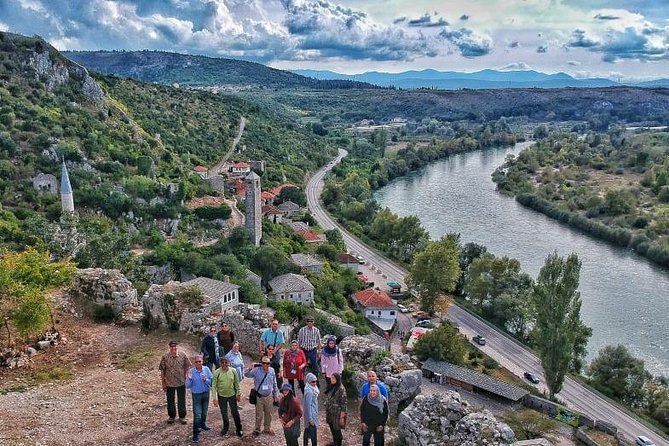
- Herzegovina nature day: Blagaj springs and the Derwish house area, Pocitelj’s stone fort, and Kravice Falls.
- Medieval Bosnia stops with variety: Travnik’s fortress and mosque area, then Jajce fortress and Pliva waterfall.
- Caves and countryside: Bijambare caves with rural villages and local traditional food in the village.
- Olympic sites without the museum fatigue: Bjelasnica and Igman ski jumps from the 1984 Winter Olympics.
8 days of Bosnia, starting with Sarajevo’s best intro stops
If you’ve only seen Bosnia in photos, you’ll probably learn fast that it’s not one single look. It’s Sarajevo’s layered city center, Herzegovina’s limestone villages and waterfalls, and then inland medieval towns and cave country. This tour is built around that variety, with a steady rhythm: short stops, a bit of walking, then back to the van to keep travel time from chewing up your day.
The comfort part is real. You ride in an air-conditioned vehicle with your driver-guide through the country, and you don’t have to coordinate trains, multiple transfers, or stop-by-stop ticket buying. That matters because Bosnia’s best areas are spread out. With a group capped at 15 travelers, the tour usually stays manageable rather than turning into a chaotic stampede.
You can also read our reviews of more tours and experiences in Sarajevo.
- Fall of Yugoslavia, Sarajevo War Tour with Tunnel of Hope Museum and Frontlines
★ 5.0 · 1,314 reviews
Morning in Vrelo Bosne: the nature reset that earns its place
Your first real sight is Vrelo Bosne (Bosna River Springs). This is the place where the country’s name idea makes instant sense: the river and spring area feeding Sarajevo’s river life. It’s a scenic park stop that works well as a gentle first day. You’re not wrestling crowds or trying to decode a map; you’re getting your bearings and a taste of the natural setting around Sarajevo.
Then you do a panoramic orientation tour of Sarajevo before checking into the Old Town area. That sequence is smart. You see the city from above first, so the next days’ walking streets later feel less random. It also sets you up to notice details you might otherwise miss, like how the city is shaped by its waterways and hills.
Practical note: even though it’s a short day on paper, wear shoes you can walk in. Old Town surfaces can be uneven, and “a little walking” adds up in Bosnia.
Sarajevo War Tunnel and the Old Town loop: where the meaning of the trip clicks
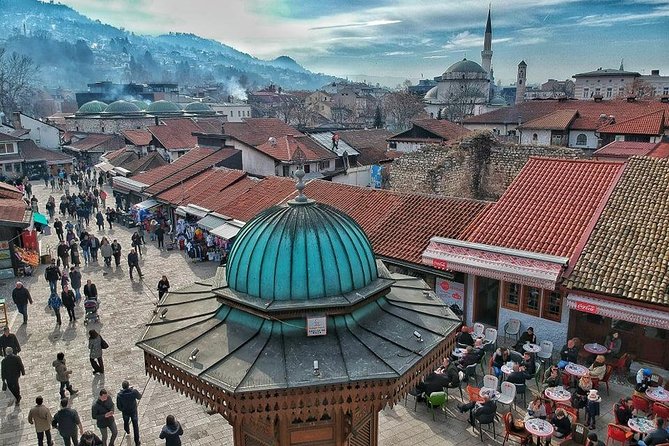
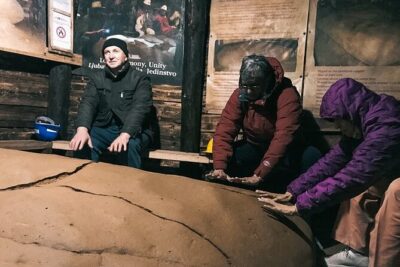
Day 2 is the heart-and-soul day for many people. It starts with the Sarajevo War Tunnel, a key part of the Siege of Sarajevo story from 1992 to 1995. The big idea here is simple: this was the only way in and out for 1425 days. Standing in that museum environment changes the tone of everything you see afterward in the city. It’s not just history as dates; it’s history as survival logistics.
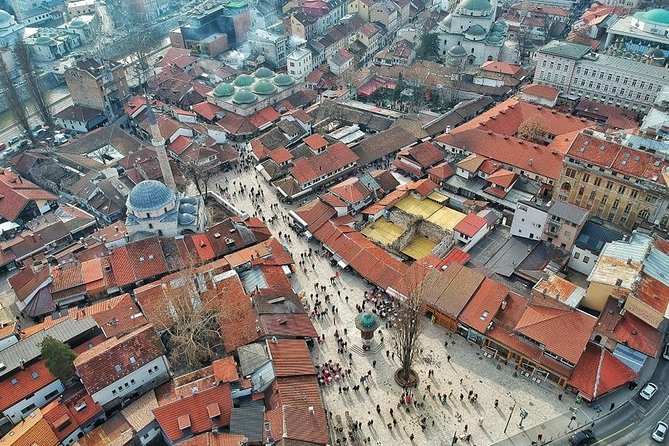
After that, the tour flows into the Old Town on foot, and that walking loop is packed with place-specific meaning:
- Seher Cehaja’s bridge over the Miljacka River, with explanations of nearby landmarks.
- Copper smith street (Nermina Alic), where the Ottoman crafts-street feel comes through.
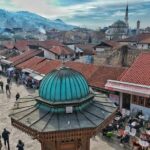
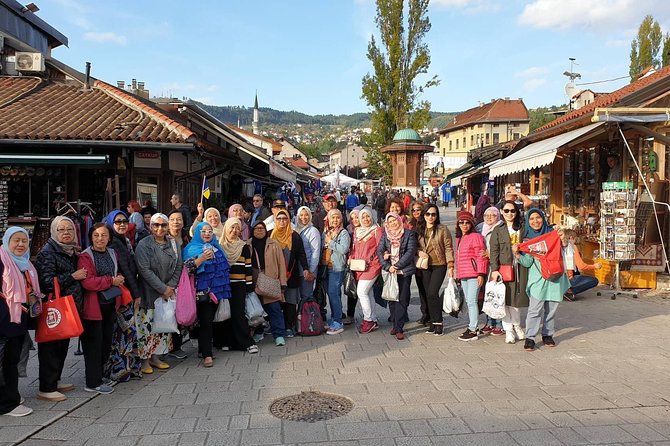
- Bascarsija square, the long-running trading heart and a place where you’ll smell coffee and hear daily life.
- Morica Han, a Caravan Saray style stop tied to older trading rhythms.
One advantage of doing this with a guide is the context. You’re not just ticking off sites. You’re learning why certain buildings and streets have the shape they do.
You also get several religious and cultural landmarks around the same area:
- Gazi Husrev-beg Mosque is listed as a stop, but admission is not included.
- Latin Bridge is covered for its role in the assassination that helped trigger World War I.
- Jewish Museum of Bosnia and Herzegovina is another optional-pay item (not included).
- Catholic cathedral (Katedrala Srca Isusova) and the Serbian Orthodox cathedral are included as free admission stops in the plan.
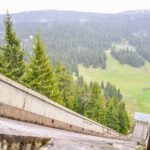
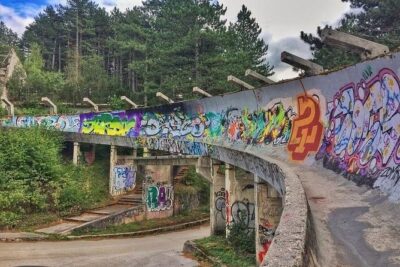
Even Trebević makes an appearance: you’re looking toward the area tied to the 1984 Winter Olympics bobsleigh track. It’s one of those “you notice the mountain angle” moments, and it helps connect Sarajevo to the bigger country story beyond the city center.
A consideration: this is a day of varied emotions. If you’re sensitive to heavy subject matter, I’d plan to take breaks for water and slow down during the museums.
Mostar without the guesswork: bridge views, mosques, and real wandering time
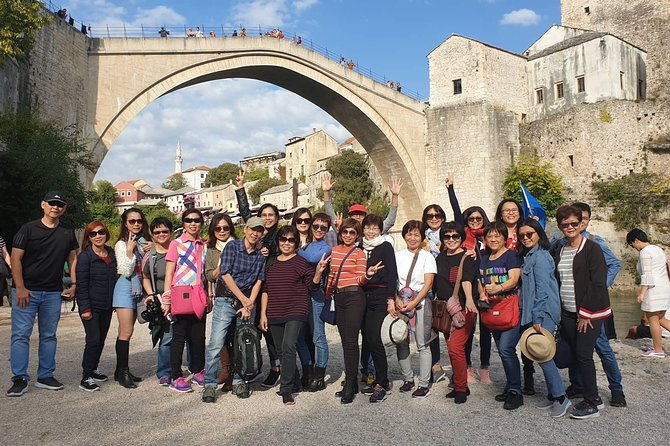
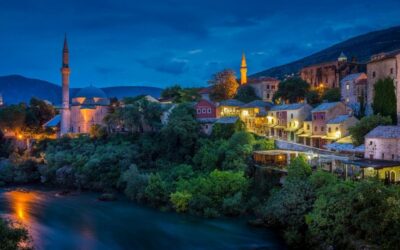
Day 3 is for Mostar, and the tour handles the orientation for you. You start with a photo stop at Konjic Bridge on the Neretva River route, then you arrive in Mostar for a structured walking tour.
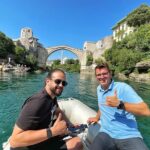
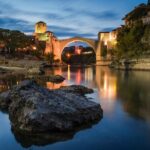
Mostar’s centerpiece is the Old Bridge, and you’ll get more than just a quick photo. The plan includes visits around the bridge area, plus a short film and a stop at the Mostar Gallery. That combination helps you understand why the bridge is iconic beyond the obvious view.
You also visit Koski Mehmet Pasha mosque and then see the Crooked Bridge. After that, you get free time to explore. That free time matters because Mostar is a place where small streets and café stops shape the experience as much as the “main” view.
What I like about this format is that it gives you structure first, then breathing room. You won’t feel lost when you decide to go off-route for a snack, a walk by the water, or a slower look at the bridge from different angles.
Blagaj, Pocitelj, and Kravice Falls: the Herzegovina day that keeps paying you back
Day 4 moves into Herzegovina and leans hard into nature plus medieval stone.
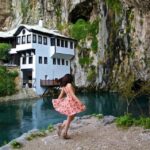
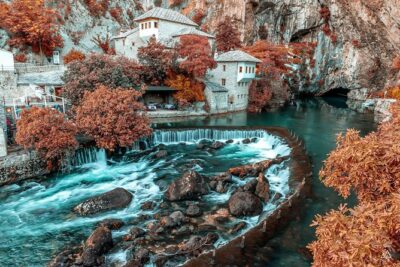
The day starts with Blagaj, where you visit the Buna River springs area and the Derwish house dating to the 15th century. This isn’t just scenic; it’s a specific cultural landscape. The springs environment gives the whole area a sense of calm and a “how does water do this?” feeling.
Next comes Pocitelj, a medieval stone town with a fortress. It’s the kind of place where even a short visit can feel like time travel because of the way the buildings sit and the stonework holds the look of older eras.
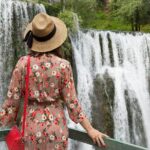
Then you finish at Kravice Falls, described as the largest waterfall in Bosnia and one of the major sights in Herzegovina. Admission is included in the plan for this stop, which is a small but real value win. Waterfalls can be weather-dependent, but when the day is good, this is exactly the sort of stop that turns an itinerary into a memory.
Quick practical tip: bring a layer or water-resistant outerwear if it’s a damp day. Even if it looks sunny, mist can happen near the falls.
- Fall of Yugoslavia, Sarajevo War Tour with Tunnel of Hope Museum and Frontlines
★ 5.0 · 1,314 reviews
Travnik and Jajce: fortress views, waterfalls, and Pliva Lakes for the slow-minded moments
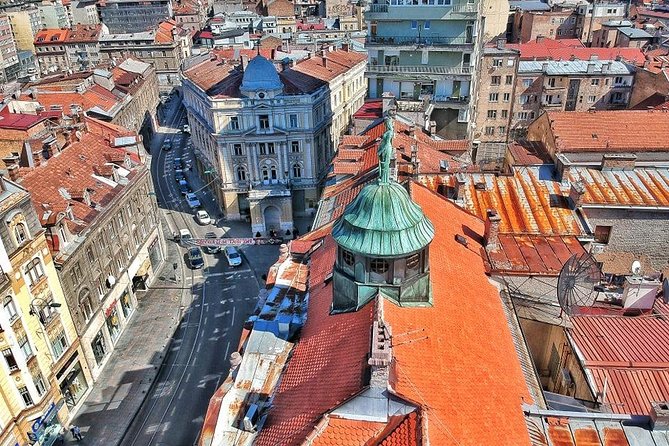
Day 5 is split between Travnik and Jajce, with a nature add-on around Jajce.
First: Travnik. This is framed as medieval Bosnia, and you’ll visit the fortress and the Colorful mosque area. Travnik’s charm here is the mix of architectural influences mentioned in the tour plan: medieval, Ottoman, Austro-Hungarian in the center, with Socialist-era architecture described around the city.
Then you head to Jajce, a medieval Bosnian Kingdom capital site. You visit the fortress and the Pliva waterfall. If you like the feeling of standing somewhere that has been watched by multiple centuries, Jajce does that well.
The day also includes a short visit to the Pliva Lakes with wooden watermills nearby. You only get a limited time here, but it’s enough to see why this area works as a “breather” after fortress walls and longer walking segments.
One consideration: because this day combines two cities plus waterfalls and lakes, pace can feel brisk. If you’re the type who likes to linger, you may want to keep your “one extra drink” decisions quick so you don’t run out of time at the top views.
Bijambare caves day trip: countryside, caves, and local food on purpose
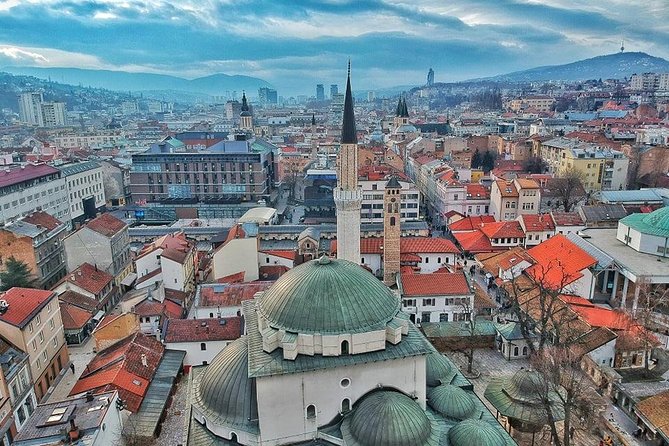
On Day 6 you leave the main city corridor and take an overday trip to Bijambare caves near Sarajevo. The plan includes about 5 hours overall, and the point isn’t just caves. You also get a rural look at Bosnia, including authentic villages and the chance to taste local traditional food in the village.
That matters. Caves are cool, but rural context is where you start to feel the day-to-day rhythm of the region. Even if you don’t love spelunking vibes, the route gives you the “real Bosnia outside the postcard” feeling.
Practical note: caves usually mean damp air and cooler temperatures. I’d bring a light jacket even if the city is warm that morning.
Bjelasnica and Igman: Olympic-era mountains when you want nature with a story
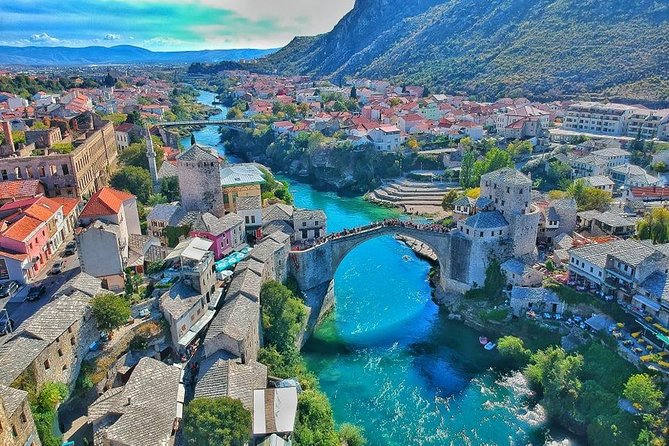
Day 7 is for Bjelasnica and Igman, both tied to the 1984 Winter Olympics.
At Bjelasnica, you visit Javorov Do and take a walk through the forest area. The tour frames this as time in nature, not a tech-heavy sightseeing day. You also get a short stop to take in the mountain ski resort feel.
Then you head to Igman, where you visit the ski jumps from those 1984 games. It’s a short stop, about 30 minutes, but it’s memorable because you can picture the scale of what happened there.
If you hate early wake-ups, this is still worth it because it’s a different kind of day than cities. You’re not reading facades. You’re looking at slopes and trees and thinking about what winter sport infrastructure looks like when it becomes part of local geography.
Good-weather note: the tour indicates it requires good weather. If your travel dates are shaky, this is exactly the kind of day that could be adjusted or rerouted.
Day 8 in Sarajevo: one last Old Town look, then a clean exit
The tour closes back in Sarajevo. After breakfast you check out and transfer to the airport or another location you choose.
This last day is purposely lighter. It gives you time to recover a bit from the driving days and packing energy. It’s also your chance to swing by for one last coffee or a quick stroll if your feet feel good enough.
Price and value: what you’re really buying for about $1,489
At $1,489.36 per person for an 8-day trip, you’re paying for a bundle: air-conditioned transportation, driver-guide commentary, 4-star hotel accommodation, breakfast (7), lunch, and included fees/taxes. You’re also saving yourself from constant ticket research and route planning across several regions.
To judge value, look at what’s not included. Dinner is not included, and personal expenses are separate. There’s also a small inconsistency in the package info where lunch is listed as included but also appears in exclusions—so before you lock it in, you should confirm exactly which lunches are provided each day. That’s the kind of detail that can affect your food budget.
Where this tour shines is the “handled logistics” element: you don’t need to coordinate multiple hotels, multiple transfers, and separate entrance fees across cities. If you’re planning an independent itinerary in Bosnia, you’ll discover quickly that time and hassle cost real money.
For the right traveler, this feels like paying for comfort and context rather than just transport.
Who this Bosnia tour fits best
This tour is a good match if you:
- want to see a lot of Bosnia without juggling logistics
- like a driver-guide explanation style rather than audio-only wandering
- enjoy mixing history-heavy sites with nature stops like waterfalls and caves
- are fine with a packed schedule and daily movement
It may not be ideal if you:
- want long unstructured time in one city
- dislike days that include heavier historical sites early on
- expect dinner to be included without budgeting
Should you book this Bosnia 8-day package?
I’d book it if you want a well-shaped route that covers the big Bosnia hits in a realistic time frame. Sarajevo plus Mostar is a classic combo for a reason, and the tour adds intelligent alternatives that don’t feel like filler: Kravice Falls, Blagaj springs and Derwish house, Pocitelj’s fortress look, and the Pliva Lakes watermills.
Before you decide, do two simple checks:
- Confirm your meal expectations, since the package info lists lunch as both included and excluded. You want clarity on what’s covered versus what you’ll pay.
- Choose travel dates with decent weather in mind, especially since mountains and outdoor stops depend on it.
If those boxes work for you, this is the kind of tour that gives you confidence you’re seeing Bosnia the sensible way: organized, comfortable, and full of specific places with stories you can actually understand while you’re there.
FAQ
Where does the tour start and what time?
The start point is Butmir Airport in Sarajevo, with a start time of 8:00 am. Pickup from your Sarajevo hotel is also offered.
How many people are in the group?
The tour has a maximum of 15 travelers.
What’s included in the price?
Inclusions listed include a lunch, an air-conditioned vehicle, all fees and taxes, accommodation in 4-star hotels, and breakfast for 7 days.
Are entrance fees included?
All fees and taxes are listed as included, but some specific admissions are marked as included while others are not. For example, admission is included for Vrelo Bosne, the Sarajevo War Tunnel, and Kravice Falls, while the Gazi Husrev-beg Mosque and the Jewish Museum are marked as not included.
What meals are not included?
Personal expenses are not included. The information also lists lunch and dinner in the exclusions, so it’s worth confirming what meals are actually provided on the days for your booking.
What are the main day trip nature stops?
The plan includes Bijambare caves (with rural villages and local traditional food in the village) and also mountain nature time at Bjelasnica and Igman.
What happens if the weather is poor?
The tour requires good weather. If it’s canceled due to poor weather, you’ll be offered a different date or a full refund.
You Might Also Enjoy
More Tours in Sarajevo
- Fall of Yugoslavia, Sarajevo War Tour with Tunnel of Hope Museum and Frontlines
★ 5.0 · 1,314 reviews

More Tour Reviews in Sarajevo
- Fall of Yugoslavia, Sarajevo War Tour with Tunnel of Hope Museum and Frontlines
★ 5.0 · 1,314 reviews