A hill road to vineyards always sounds romantic. This one adds a practical, private setup with hotel transfers and real cellar time in Mostar’s wine country, plus a guide who ties the wine to the food and the place.
I especially like the pairing of wine tasting with local specialties at both stops, so you are not just chasing sips. I also like that it’s a private tour, so the pace is flexible and questions stay on topic instead of getting swallowed by a group. One thing to consider: it runs for about 5 to 6 hours, so plan for a slower day afterward and comfortable footwear for cellar visits.
If you want to understand Herzegovina wine in plain language, this is a smart way to do it. You’ll ride out from Mostar, learn why the region grows grapes the way it does, and then sit down for tastings that make sense with the food on the table. If wine is your main goal, great—if you are expecting a long walking tour, you’ll probably spend more time in wineries than on trails.
In This Review
- Key points to know before you go
- Why Mostar’s wine day works so well
- Hotel pickup and a private pace you can actually use
- Stop 1 at Emporia: Royal Vineyards Mostar and the Imperial cellar
- Stop 2 in Čitluk at Brkić: organic wine and the Moon Walker Mjesečar
- The driver/guide role: when the wine talk stays useful
- Food and wine pairing: you’ll learn by tasting, not reading
- Price and value for a private half-day (5 to 6 hours)
- Who this tour is best for
- Should you book Herzegovina Wine Experience?
- FAQ
- How long is the Herzegovina Wine Experience?
- Is this tour private?
- What is included in the price?
- Do I get hotel pickup and transfers?
- What language is the tour offered in?
- What is the cancellation policy?
Key points to know before you go
- Private and personal: only your group, with a driver/guide to explain what you are tasting
- Two cellar stops: Emporia in Mostar’s hills and Brkić in Čitluk
- Food is included with wine: local cheeses, smoked meats, breads, olive oil, fig jam, and more
- Organic focus at stop 2: Josip Brkić uses biodynamic and indigenous grapes
- A standout wine story: Mjesečar, a skin-fermented 100% Žilavka made with lunar-phase practices
- Round-trip hotel transfers: pickup and return are part of the deal, no extra arranging
Why Mostar’s wine day works so well
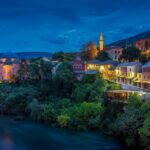
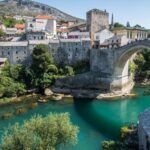
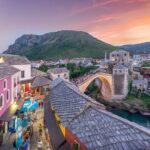
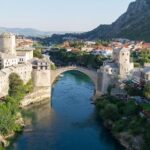
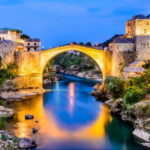
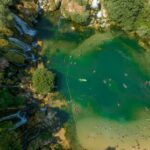
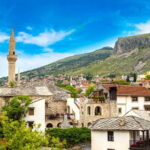
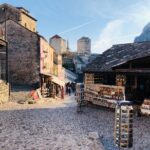
Mostar gets most of the attention for old bridges and Ottoman-era streets. But the area around it, especially along the Neretva river valley, is also where grapes actually get grown—on slopes influenced by Mediterranean weather patterns. On this tour, the car ride is not filler. It sets up the wine story right away.
You’ll travel up winding hill roads from the picture-postcard valley feel down below to a patchwork of vineyards. That climb matters because it helps you visualize what the winemakers are working with: sunny slopes, karst soil, and the push-and-pull of regional winds like bora and jugo. It’s the kind of context that makes a tasting more than a snack.
You can also read our reviews of more tours and experiences in Mostar.
Hotel pickup and a private pace you can actually use
This is designed as a full half-day, roughly 5 to 6 hours, with round-trip transfers from your hotel. That matters more than people think. In a place where you may not want to figure out logistics on your own, getting door-to-door transport lets you focus on the wine and the explanation.
You also get a private tour setup, which means:
- You can ask follow-up questions without the guide constantly switching gears for strangers
- Timing can flex a bit based on the pace of tastings and how long you want to chat in the cellar
- The day feels less like a checklist and more like a planned visit
The tour runs daily within a set window (10:00 AM to 3:00 PM across the listed date range), and confirmation happens at booking. You’ll also have a mobile ticket, which keeps everything simple on the day.
Stop 1 at Emporia: Royal Vineyards Mostar and the Imperial cellar
Emporia wine cellar sits right in the heart of this hilly growing region. The first stop is built for orientation—what the land is like, how grapes thrive here, and why specific wines show up from this part of Herzegovina.
You’ll visit the famous Imperial vineyards and wine cellars at Emporia. The cellar time is where the story usually clicks, because wine is not just something you drink. It’s something that gets shaped by slope, soil, wind, and time.
What you can expect at this stop:
- A guided walkthrough focused on the history of wine growing in the area
- Tastings paired with local items like traditional cheeses, smoked beef ham, and homemade bread
- Enough time to slow down and understand what you’re tasting before you move on
The view from the area is part of the experience too. It is not a long hike, but seeing vineyards spread across hills makes it easier to connect the science-y parts—karst soil, Mediterranean influence, and those famous winds—to what ends up in your glass.
Potential drawback: since this is a cellar-focused stop, it is not the place to expect lots of open-air roaming. If you love outdoor wandering, pair this with extra time in Mostar after, when you have more freedom to walk.
Stop 2 in Čitluk at Brkić: organic wine and the Moon Walker Mjesečar
Then you move on to a different kind of wine philosophy at Brkić wine cellar in the small town of Čitluk. Here, the tour leans hard into organic and biodynamic methods, and it’s not just a label buzzword.
Josip Brkić is described as the only organic winemaker in Bosnia and Herzegovina, and his approach is based on biodynamic practices and indigenous grapes. That is a big deal for wine geeks, but it also helps regular drinkers. When farming and winemaking methods have a clear logic, it makes the tasting easier to follow.
The star is Mjesečar. This is a skin-fermented white made from 100% Žilavka. The name is a fun one—Moon Walker—and the story is tied to how the lunar phases guide work in the vineyard and cellar. You can even see the moon-related references on the wine’s label.
What makes this stop memorable is the way it combines wine, technique, and food in one seated moment. Around the table, the tastings come with:
- Livno sheep cheese
- Local high quality olive oil
- Fig jam
- Homemade prosciutto
That spread matters because it gives your palate something to compare. Soft sheep cheese and salty cured meat behave differently with wine than, say, bread alone. If you pay attention, you start noticing how the wine’s texture and acidity match the salt and fat in the food.
Practical consideration: if you are sensitive to stronger aromas (some organic/biodynamic wines can feel more expressive), take your time. Ask your guide what to look for—then taste more slowly rather than rushing through flights.
The driver/guide role: when the wine talk stays useful
A big reason people love this tour is the driver/guide format. You are not dropped at a cellar and left with a brochure. The guide explains food and wine as a connected story: how the region grows grapes, how cellars work, and why the local cuisine belongs in the tasting.
One review highlighted a guide named Camil as a standout, with lots of insight about Mostar and Bosnia and Herzegovina. Even if your guide is someone else, you can still expect the same goal: help you make sense of what you are tasting, not just hand you a glass.
If you want maximum value, come with a simple plan:
- Tell your guide whether you like dry vs. fruit-forward wines
- Mention if you prefer reds or whites
- Ask which local foods pair best with each wine you try
That kind of back-and-forth is where a private tour earns its keep.

Food and wine pairing: you’ll learn by tasting, not reading
Both stops include wine and food in the price, and that is a huge reason this tour feels fair. A lot of wine tours charge for transport and then make you pay extra for food once you arrive. Here, the tasting table is part of the event.
At Emporia, the food leans into local staples: cheeses, smoked beef ham, and homemade bread. At Brkić, you get a more specific board: Livno sheep cheese plus olive oil, fig jam, and homemade prosciutto.
Why this works: local food is not random. Herzegovina cuisine has a lot of fat and salt. Cheese and cured meats can flatten some wine styles, but they also reveal differences—like acidity, tannin feel, and how aromatics show up after a bite.
If you take a slow approach, you’ll start building your own mental map:
- Which wines feel better with cheese
- Which sips handle smoked meat
- Whether sweet elements like fig jam make a wine taste lighter or heavier
Price and value for a private half-day (5 to 6 hours)
Value here comes from the combination, not from any single line item. You’re getting:
- Round-trip hotel transfers
- A private group experience
- Wine tasting plus included food at both stops
- English service
For many travelers, transfers are the hidden cost of a wine day. If you had to arrange your own driver or public transport and still pay for tastings and meals, the total can climb fast. This tour bundles the pieces into a single plan and saves you coordination time.
Also, the stops are timed fairly—each cellar visit runs about 1 hour 30 minutes. That gives you enough window to taste, talk, and ask questions without feeling like you are constantly “on to the next thing.”
Who this tour is best for
This works especially well if:
- You want a wine day that is structured and easy to do from Mostar
- You like learning through tasting, with food on the table
- You care about organic or biodynamic winemaking stories (Brkić is the highlight here)
It may be less ideal if:
- You want lots of free time roaming outdoors
- You’re only interested in views and photo stops rather than cellar explanations
- You are hoping for a super-fast stop that feels like sampling, not a real meal-and-tasting experience
Should you book Herzegovina Wine Experience?
I’d book it if you want a calm, guided, and food-forward introduction to Herzegovina wine without logistics headaches. Two cellar stops with included tastings and local specialties is the kind of format that keeps the day feeling worth it.
Book it especially if you are curious about how the land shapes wine here—winds, soil, slopes—and if the idea of Mjesečar and Žilavka catches your interest. The organic/biodynamic angle at Brkić turns the tasting into a story you can remember.
Skip it only if you want a lot of outdoor walking or you are looking for a purely scenic tour with minimal cellar time.
FAQ
How long is the Herzegovina Wine Experience?
It runs about 5 to 6 hours total.
Is this tour private?
Yes. It is a private tour/activity, and only your group participates.
What is included in the price?
Wine tasting and food are included in the price of the tour.
Do I get hotel pickup and transfers?
Yes. Round-trip transfers from and to your hotel are included.
What language is the tour offered in?
It is offered in English.
What is the cancellation policy?
This experience is non-refundable and cannot be changed for any reason. If it is canceled because a minimum number of travelers is not met, you’ll be offered a different date/experience or a full refund.