REVIEW · SARAJEVO
Herzegovina Tour from Sarajevo: Mostar, Počitelj, Blagaj, Kravice
Book on Viator →Operated by ID Bosnia Tours · Bookable on Viator
Herzegovina in one day is a smart shortcut. This trip from Sarajevo stitches together Mostar’s Stari most with the Neretva river region, hitting Počitelj, Blagaj, and Buna along the way. It’s a lot of variety, but it stays organized with a professional guide and set stops.
I love the small group size (max 8). You also get early value with included entry on the Konjic Old Stone Bridge, plus a plan that balances sights with actual time to look around.
The main drawback is the pace: it’s about 10 to 12 hours total, and food isn’t included. You’ll want to budget for lunch and keep water/snacks handy.
In This Review
- Key highlights to expect
- Why Herzegovina feels different from the start
- Pickup, timing, and how the long day actually works
- Konjic Old Stone Bridge: where Bosnia meets Herzegovina
- Jablanica’s memorial: the Battle for the Wounded on the Neretva
- Počitelj’s hillside fort town: Ottoman-meets-medieval in one hour
- Blagaj Tekija: a spiritual 15th-century setting under a cliff
- Buna River spring: the real cool-down point of the tour
- Mostar’s Stari most: walking the old bridge core plus free time
- Price and value: what you’re paying for and what to budget
- What the small group and guide energy change
- Who this tour is best for
- Should you book this Herzegovina tour from Sarajevo?
- FAQ
- What’s the duration of the Herzegovina tour from Sarajevo?
- What time does the tour start, and where does it end?
- Is pickup included?
- What’s included in the ticket price?
- Is food included?
- Are there any entrance fees I should plan for?
- How big is the group?
- Can I cancel for free?
Key highlights to expect
- Stari most in Mostar, plus UNESCO ties in Konjic that explain why this region is treated as special on a world scale
- The Neretva River battle story at Jablanica at an open-air memorial that’s more than a quick photo stop
- Počitelj’s hillside fort-town with Ottoman and medieval styling and free roaming time
- Blagaj’s Tekija area by the Buna River source—a 15th-century spiritual site with a strong sense of place
- Cool, drinkable Buna spring water (a major karst source in Europe) right where the scenery and story meet
- Local guides with real energy, including names like Damir and Ejub from past groups, which helps the day feel personal
Why Herzegovina feels different from the start
This day trip works because it doesn’t treat Herzegovina like a single destination. You start near Konjic, then follow the Neretva River corridor into Jablanica, before climbing into story-rich hill towns like Počitelj. By the time you reach Blagaj and Mostar, you get the feeling that this region is shaped by two forces: water and history.
There’s also a practical upside. You’re not trying to plan connections between scattered towns on your own. A licensed guide handles the order, keeps you moving, and tells you what you’re looking at so the day doesn’t turn into a checklist.
You can also read our reviews of more tours and experiences in Sarajevo.
- Fall of Yugoslavia, Sarajevo War Tour with Tunnel of Hope Museum and Frontlines
★ 5.0 · 1,314 reviews
Pickup, timing, and how the long day actually works
This tour starts at 8:00 am and runs about 10 to 12 hours. Pickup is offered, and you’ll travel in an air-conditioned vehicle with highway fees and parking covered. For a day that includes multiple towns, that matters more than you might think. It reduces the stress of navigation, and it keeps your energy for walking and viewpoints.
Group size is capped at 8 travelers. That’s a big deal on tight streets in old towns and around bridges—smaller groups move more smoothly, and you tend to get better answers when you ask questions.
One more note: you’ll have mobile ticket access, and service animals are allowed. If you’re trying to travel light and uncomplicated, this is the kind of tour that respects your day.
Konjic Old Stone Bridge: where Bosnia meets Herzegovina
Your first stop is Konjic, with the Old Stone Bridge as the anchor. This bridge is tied to the idea of where Bosnia joins Herzegovina, and it’s old in a very specific way. It dates to the 17th century, was damaged during World War II, and later refurbished in 2009.
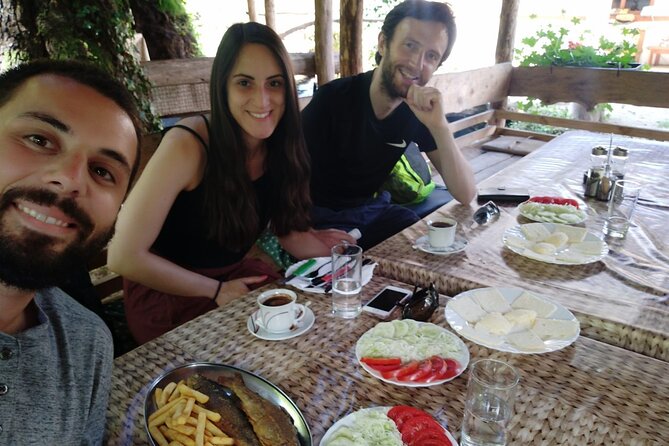
The best part of this stop isn’t just the bridge. It’s the setting and timing. You’ll also get a chance to drink traditional Bosnian coffee or tea, and you’ll have views from cafes positioned above the old town. That’s an easy way to start your day without rushing straight into walking.
The inclusion here is solid: the stop lists a ticket for the bridge area, and it’s about 30 minutes. If you want a relaxed start that still feels meaningful, this sets the tone well.
Jablanica’s memorial: the Battle for the Wounded on the Neretva
Next comes the open-air memorial museum in Jablanica: Battle for the Wounded. This is dedicated to the WWII period when Tito’s Partisans fought Axis powers along the Neretva River, from January to April 1943.
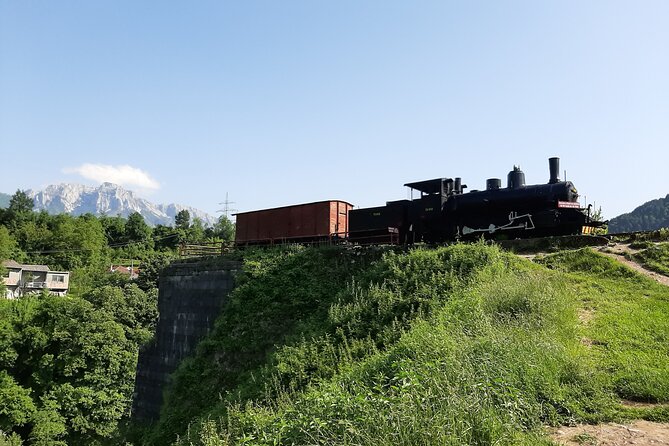
What makes this stop stick is that it’s not just one building. The complex includes a museum, bunker remains, and even the remains of a bridge where fighting continued, plus an old locomotive. There’s also a large square with an open stage, which gives the site an outdoor feel even though the story is intense.
The stop is listed as 30 minutes, and entry is free. That’s good value, but it also means you should use the time actively—look at the layout, and don’t treat it like a drive-by. If your group likes history with context, this stop usually delivers.
Then there’s the practical scenery break: you’ll see Jablanica Lake (Jablaničko jezero), which is man-made from a hydroelectric dam built in 1953. Even if you don’t go deep into engineering, it’s a clear reminder that this river system is living infrastructure, not just scenery.
Počitelj’s hillside fort town: Ottoman-meets-medieval in one hour
After the river and memorial stops, the tour moves you into Počitelj—one of those places that feels like it was built to watch over the land below. Počitelj is described as an historic urban site built on a steep mountainside, with a mix of Ottoman and medieval architectural styles.
This stop is also straightforward: about 1 hour, and admission is free. During that hour, you’ll explore city walls, forts, the Pocitelj Mosque, and other sights around the national monument.
What I like about Počitelj in a guided format is that the guide can help you read the town quickly. You don’t just walk. You learn why the buildings are where they are, and how the layout creates defensive sightlines. If you only had an independent visit, you might miss the structure of the place.
Possible consideration: it’s a hillside town. Comfortable shoes help, because uneven ground and slopes are part of the experience.
- Fall of Yugoslavia, Sarajevo War Tour with Tunnel of Hope Museum and Frontlines
★ 5.0 · 1,314 reviews
Blagaj Tekija: a spiritual 15th-century setting under a cliff
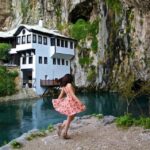
From Počitelj, the day moves to Blagaj. This is where the mood changes again. The centerpiece is Blagaj Tekija, also known as the Blagaj Dervish House area, a 15th-century structure linked to Sufism within Islam.
The location is dramatic: it sits at the base of a roughly 200-meter cliff wall and near a cave. You get the kind of scenery that feels natural, even though the site is human-made and intentionally built. It’s easy to see why people linger here.
The stop is about 50 minutes, and the tour includes a ticket listing for the area. However, the overall tour details also note that entrance to the Dervish house in Blagaj isn’t included. In practice, that means you should plan for at least a small extra fee if you want to go inside the Tekija itself.
Lunch happens in Blagaj at popular restaurants. Food and drinks aren’t included, so this is your main budgeting moment. If you want a smoother meal, pick something simple rather than a multi-course plan, because the day keeps moving after this stop.
Buna River spring: the real cool-down point of the tour
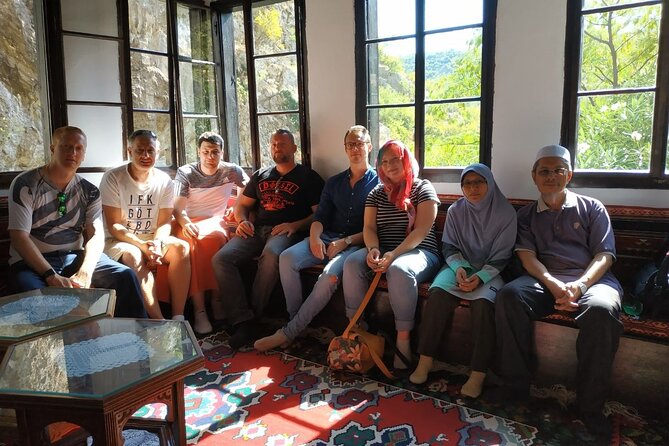
After Blagaj’s cliff-side setting, you head to the River Buna Spring, also tied to the Dervish Tekke area. This is one of the strongest karst water sources in Europe and is described as drinkable at its source.
That’s more than a fun fact. It changes how the stop feels. You can cool off in a very direct way, and the spring is part of a combined natural, historical, and spiritual setting—tekija plus water. The tour gives you about 50 minutes here, and the admission ticket is listed as included.
What you’ll likely appreciate most is that this is an outdoor break inside a long day. It interrupts the “bus and buildings” rhythm. You get time for photos, a slower look at the environment, and a moment where the scenery isn’t just historic—it’s working nature.
Mostar’s Stari most: walking the old bridge core plus free time
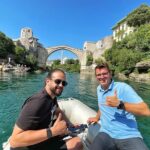
The final big chapter is Mostar, often the reason people pick this day trip in the first place. Mostar is described as the largest and unofficial capital of Herzegovina, and the headline attraction is Stari most (Old Bridge), UNESCO-protected and about 430 years old.
You’ll get a 2-hour walking tour of the old town core and an included free time block afterward. That combination is smart. The guide time helps you see what matters—the bridge and the urban core—while the free time lets you slow down for your own pace.
This is also where the guide names matter. Past groups on this kind of route have praised guides like Damir and Ejub for connecting the dots, and that’s exactly what you need in Mostar. Without context, you can end up treating Stari most as only a photo target. With context, you understand why the bridge became a symbol again and why people care.
Practical consideration: Mostar’s old streets can involve lots of walking. This tour is manageable for most travelers, but if you’re sensitive to uneven pavement, take it slow around the bridge area.
Price and value: what you’re paying for and what to budget
The price is $77.97 per person, for roughly 10 to 12 hours. That’s not just “transport.” The included items add up:
- Professional licensed guide
- Air-conditioned vehicle
- Highway fee and parking fee
- Tickets are included for the Konjic bridge stop and for the Buna spring stop
- Počitelj is free, and the Battle for the Wounded memorial is free
- Mostar and its core walking tour are free for the included parts
What’s not included is the part that usually affects your total cost: food and drinks. Also, entrance to the Dervish house in Blagaj and Kravica waterfalls (not listed as a stop in the core itinerary you’re given, but mentioned as not included) is extra if it’s part of your day.
If you pack snacks and budget for one meal, the cost stays predictable. If you’re planning on paying for multiple entrances plus a long meal in tourist spots, your day can creep upward.
What the small group and guide energy change
A max group size of 8 changes the feel of a day like this. You’re not stuck waiting for long explanations. You also get a better chance to ask questions—especially at places where history and meaning are the point, like the Jablanica WWII memorial or Blagaj’s Tekija.
The guide factor shows up in the names people bring up, like Damir and Ejub. Even when you’re moving fast, those kinds of guides tend to translate places into plain language: what you’re seeing, why it matters, and what to notice first.
If you like tours where you learn enough to make photos smarter (not just prettier), this is a strong match.
Who this tour is best for
This works best if you:
- want a first-time introduction to Herzegovina from Sarajevo without planning multiple transfers
- like a mix of WWII memorial, Ottoman-meets-medieval architecture, and water-country scenery
- prefer guided context at sites like Stari most and the memorial museum
It might be less ideal if you:
- hate long days on the road (about 10 to 12 hours total)
- need fully planned meals (since food and drinks are not included)
- want very long, slow stays in a single town (Mostar gets time, but it’s still a day route)
Should you book this Herzegovina tour from Sarajevo?
I’d book this tour if you want the efficient version of Herzegovina: Mostar’s UNESCO draw, Počitelj’s hillside fort-town feel, Blagaj’s Tekija setting, and the Buna spring all in one day. The included guide support and several free or ticketed stops make it good value for a tour at this price.
Skip it or consider another option if you’re hoping for a relaxed, low-walking day with meals included end-to-end. Here, you should expect time on your feet and an extra budget for lunch.
If your goal is to get your bearings fast and come away with a clear story of why Bosnia and Herzegovina is split by region, river, and architecture, this itinerary is a strong way to do it.
FAQ
What’s the duration of the Herzegovina tour from Sarajevo?
It runs about 10 to 12 hours.
What time does the tour start, and where does it end?
The start time is 8:00 am, and the tour ends back at the meeting point.
Is pickup included?
Pickup is offered.
What’s included in the ticket price?
You get a professional licensed guide, an air-conditioned vehicle, plus highway fee and parking fee. Some stop admissions are included as well.
Is food included?
No. Food and drinks are not included.
Are there any entrance fees I should plan for?
Entrance to the Dervish house in Blagaj and waterfalls Kravica is not included. Other stops like Počitelj and the Battle for the Wounded memorial are listed as free.
How big is the group?
The tour has a maximum of 8 travelers.
Can I cancel for free?
Yes. You can cancel for a full refund up to 24 hours in advance of the experience start time.
You Might Also Enjoy
More Tours in Sarajevo
- Fall of Yugoslavia, Sarajevo War Tour with Tunnel of Hope Museum and Frontlines
★ 5.0 · 1,314 reviews

More Tour Reviews in Sarajevo
- Fall of Yugoslavia, Sarajevo War Tour with Tunnel of Hope Museum and Frontlines
★ 5.0 · 1,314 reviews