REVIEW · MOSTAR
Walking Tour in Old Town Mostar
Book on Viator →Operated by AMAT TRAVEL · Bookable on Viator
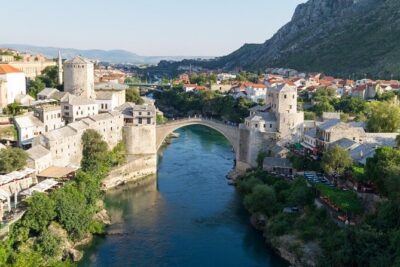
Mostar’s Old Bridge area tells a whole story. In about 90 minutes with local guide Andrej, you’ll connect Old Bridge landmarks to the way people actually lived and worked centuries ago. You start in the oldest part of town, then wind through Ottoman-era religious and craft stops before ending in the courtyard of Koski Mehmed Pasha Mosque.
I love how the tour makes the past practical. You’ll see places like a hammam and a tannery as part of everyday life, not just as pretty backdrops. I also like that you finish in a functioning religious space at Koski Mehmed Pasha Mosque, so the story lands where people still gather.
One consideration: it is a walking tour, so you’ll cover ground on uneven old-stone streets, and the Old Bridge area can feel busy depending on timing and crowds.
In This Review
- Key highlights you’ll care about
- Why Mostar’s Old Town feels different from other Balkan cities
- Starting at 9:00 AM: the Old Town loop that makes sense fast
- Crooked Bridge to the Old Bridge area: the first dramatic shift
- Nezir-Aga mosque, hammam, and the feel of a working city
- Nezir-Aga mosque
- Tannery
- Hammam
- Halebija Tower: oldest café energy and the divers club connection
- Kujundžiluk jewelers street: when trade becomes the main character
- Koski Mehmed Pasha Mosque courtyard: a calm finish with real atmosphere
- Price and value: what $23 buys you in Mostar
- Pace, group size, and who this tour suits best
- Should you book the Walking Tour in Old Town Mostar?
- FAQ
- How long is the Old Town Mostar walking tour?
- What is the price?
- Where does the tour start and end?
- What time does the tour start?
- Is this tour private?
- Is there an admission ticket included?
- What is the cancellation policy?
Key highlights you’ll care about
- A tight 90-minute route through the oldest Old Town streets without wasting time
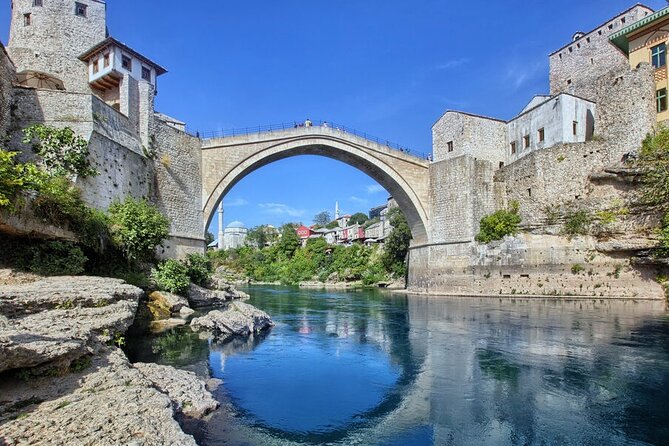
- Two-bridge story: Crooked Bridge first, then the iconic Old Bridge
- Work and worship stops in the same walk: mosque, hammam, and craft areas
- Halebija Tower details like the oldest café connection and the traditional divers club
- Kujundžiluk jewelers street for a clear sense of where artisans set up shop
- Courtyard finish at Koski Mehmed Pasha Mosque for a calm ending scene
Why Mostar’s Old Town feels different from other Balkan cities
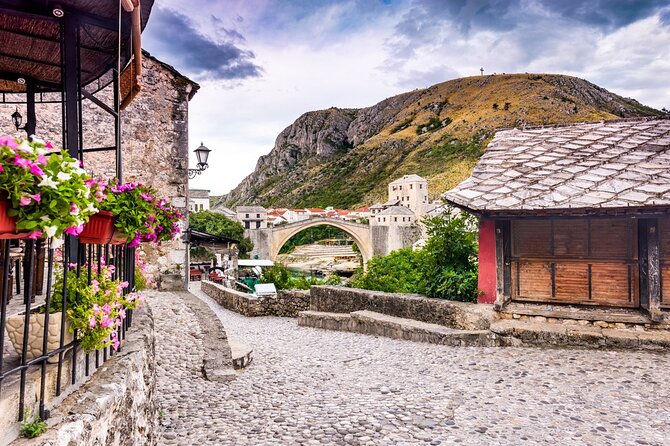
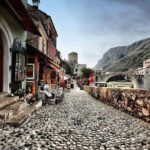
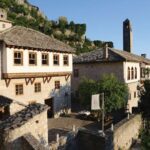
Mostar is famous for the Old Bridge, but the city is more than a postcard view. This walk is built around the oldest core of town, where the Ottoman period shaped daily rhythms for centuries. You’re in an area that traces back to the 15th century, and it was the main artisanal and commercial zone during Ottoman rule, running until the 1870s.
What I like about this approach is that it doesn’t treat history like a lecture. It links buildings to real functions you can picture: places for washing and heat (hammam), craft and materials (tannery), worship (mosques), and trade (the jewelers’ street). Even if you only have a short morning, you end up with a map in your head of how Mostar worked.
And because this is a private tour for just your group, you get time for questions. Guides like Andrej are known for answering stuff on the spot, and they often share helpful restaurant pointers too.
You can also read our reviews of more walking tours in Mostar
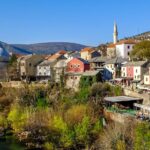

Starting at 9:00 AM: the Old Town loop that makes sense fast
Your tour starts at 9:00 am at Inovine K, Onešćukova (you’ll find it marked with a Google Maps pin). From there, you’re led into the Old Town from the western side, which matters. Approaching from the west helps you read the layout in a more logical order: you see key structures as the walk funnels you toward the Old Bridge, rather than bouncing around the center.
It’s also practical that the tour ends in the Old Town, in the courtyard of Koski Mehmed Pasha Mosque. That’s a smart finish point. It keeps you close to where you’ll likely want to continue on foot or grab a meal after the tour.
This is listed as a private activity, so you’re not stuck waiting for other groups to finish taking photos. The route is designed to be concise, which is great when you want orientation without spending the whole day in motion.
Crooked Bridge to the Old Bridge area: the first dramatic shift
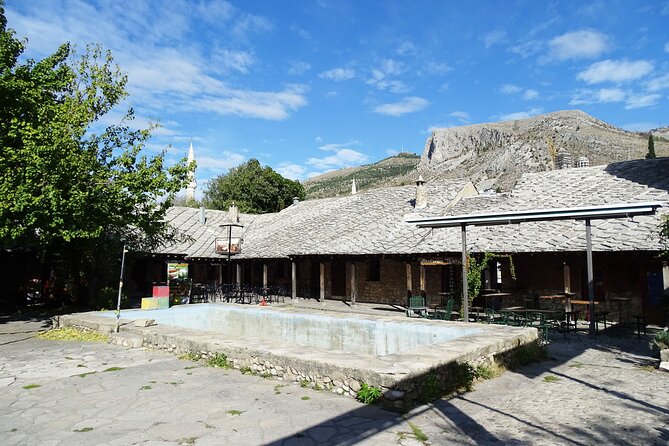
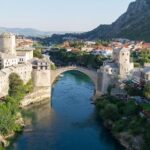
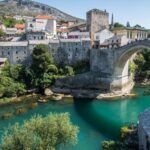
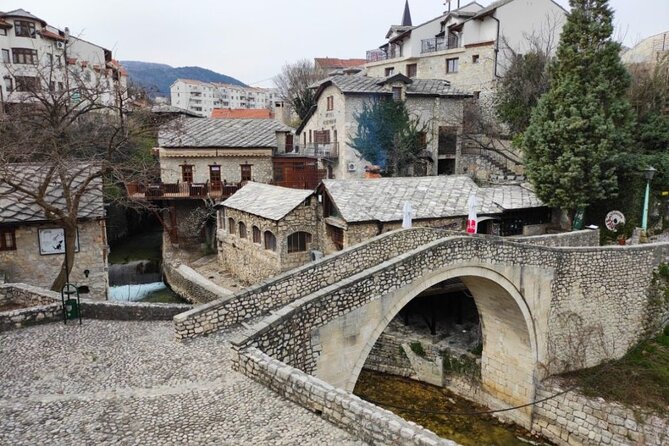
The first major section focuses on the Old Bridge area and the buildings that frame it. You begin by discovering the Crooked Bridge and the Nezir-Aga mosque. The Crooked Bridge is a useful warm-up because it helps you notice how Mostar’s bridge-and-street system feels integrated, not separate. Then the Nezir-Aga mosque gives you the religious anchor for the area, so you understand the neighborhood as a whole, not just as a view.
After that, the walk moves into the craft-and-cleaning world: you’ll pass a tannery and a hammam. This is one of the best parts of the tour’s pacing. Rather than rushing straight to the Old Bridge, you get a feel for how people would have handled materials, labor, and routine. It makes the later bridge connection more meaningful, because you’re seeing the city as a working place.
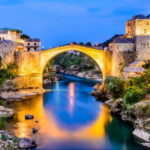
A small practical bonus: you’ll get close to the Old Bridge scene early enough to orient yourself before the most crowded viewpoints build up. If you’re interested in the tradition of the bridge jumpers, your timing here is helpful. Some tours build in time for that moment, and this one is known for offering a prime spot around the Old Bridge jumpers area.
Nezir-Aga mosque, hammam, and the feel of a working city
At first glance, a mosque plus a hammam sounds like two separate categories: religion versus daily hygiene. Here, they’re presented as parts of the same urban rhythm.
Nezir-Aga mosque
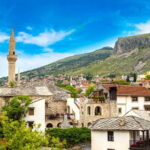
This stop helps you read the streets through Ottoman-era planning. Even if you don’t go inside (your guide can only do so much depending on access), you’ll learn how these structures connect to community life and the importance of public space.


Tannery
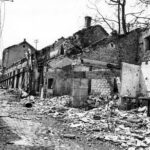
The tannery stop is a reminder that cities are built on craft. Tanning is not a decorative trade; it is hands-on, materials-heavy work. Seeing it in context makes the Old Town feel less like a set and more like a place that supported skilled labor.
Hammam
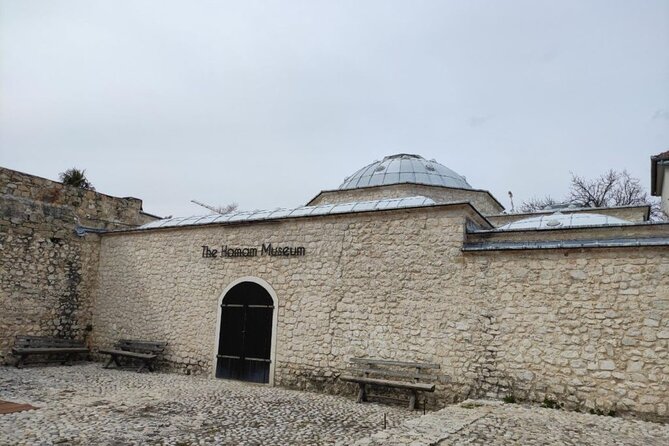
The hammam is where the tour turns visual. You’ll learn why a hammam wasn’t just a place to wash; it functioned as a social routine too. It’s the kind of stop that clicks because you can imagine the heat, the movement, and the practical need for it in daily life.
One small caution: if you come expecting big indoor experiences, this segment is about context. It’s still worth it, because the value is understanding how the buildings fit together.
Halebija Tower: oldest café energy and the divers club connection
One of the standout details is the tower Halebija area. Your guide brings you close to two things people often remember here: the oldest café connection in the city and a traditional divers club tied to the tower.
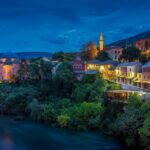
Why this matters: Mostar’s identity is tied to the river and the bridge, but the traditions around that connection aren’t only about daring jumps. They’re also about community life—who meets where, what locals do, and how local stories keep going.
Also, the Old Bridge region can feel like a magnet for photos. Halebija helps you see the background story behind what you’re looking at. It’s one of those stops that makes the Old Bridge feel less like an isolated icon and more like the center of a living neighborhood.
And yes, the tour is structured so you end up with a good view area around the action. If you want the bridge jumpers moment, the timing and positioning are part of the value.
Kujundžiluk jewelers street: when trade becomes the main character
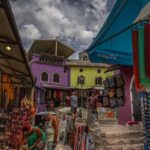
After crossing the Old Bridge, you move into Kujundžiluk, known as the street of jewelers. This is a simple idea, but it’s effective: you follow the logic of trade. You’re no longer just studying big landmarks; you’re walking a trade street, which helps you understand why the Old Town mattered as an economic center.
This segment is especially good for first-timers because you stop thinking in terms of sightseeing and start thinking in terms of places people worked: crafts, storefronts, tools, materials, and skilled trades. The street name alone gives you the context, and your guide fills in what that would have meant in Ottoman-era Mostar.
If you like wandering with direction, this part delivers. If you want strict museum-style pacing, you might wish for more indoor stops. But for Mostar, the streets are the point.
Koski Mehmed Pasha Mosque courtyard: a calm finish with real atmosphere
The last phase is a short walk to the courtyard of Mehmed Pasha Koski Mosque. Ending here is smart. It slows the pace in a natural way, and it gives you a sense of closure after the busier bridge-and-street area.
This courtyard finish also reinforces one of the tour’s strengths: it doesn’t separate worship from everyday life. You move from trade (Kujundžiluk) back into a community religious space, so you get a fuller picture of how the city’s social map worked.
If you want to keep exploring after the tour, this is a strong place to pause. You’re already in the Old Town zone, so continuing by foot feels easy.
Price and value: what $23 buys you in Mostar
At $23 for about 1 hour 30 minutes, you’re paying for three things: a focused route, a local guide, and an efficient walkthrough of multiple key Old Town areas.
This tour also lists admission as free for the included sights. That means more of what you pay goes toward interpretation and guiding, not entry fees. There are also group discounts, and it runs as a private experience, so you’re not sharing your time with other groups.
In a place like Mostar, where short visits are common, the value comes from not just seeing famous buildings, but understanding why they’re connected. The guide helps you connect the dots between Ottoman-era commerce, religious life, and craft areas. That’s what makes the hour-and-a-half feel complete.
Pace, group size, and who this tour suits best
This is a short walking tour, and that’s part of its charm. You’ll get a solid Old Town orientation without committing to a full day.
Because it’s private, it suits:
- Couples and small groups who want control over questions and pace
- First-time visitors who need the layout explained quickly
- People who like history tied to places they can see and walk past
Your group can include most travelers, and the tour allows service animals. It’s also near public transportation, which is useful if you’re mixing this with other plans.
If you hate walking on uneven stone streets, I’d still plan for that. Bring comfortable shoes and keep your expectations realistic: this is an outdoor route with built-in context, not a slow sit-down history class.
Should you book the Walking Tour in Old Town Mostar?
If you want a fast, well-organized way to understand Mostar’s Old Town, this is an easy yes. The strongest reason to book is the guide-focused experience: Andrej (and guides in the same style) are known for answering questions and making the walk feel like a conversation, not a script. The route also hits the right mix of landmark and everyday-life stops, including the bridge area, hammam and tannery context, Halebija details, Kujundžiluk trade street, and the Koski Mosque courtyard finish.
I’d skip it only if you’re looking for a long, deep museum-style day with lots of indoor time. Otherwise, if you’re here for a short visit, this tour helps you get your bearings fast and gives you a Mostar story you can carry around after the photos fade.
FAQ
How long is the Old Town Mostar walking tour?
It lasts about 1 hour 30 minutes.
What is the price?
The price is listed as $23.
Where does the tour start and end?
It starts at Inovine K 198RP6+WX3, Onešćukova, Mostar, and ends in the courtyard of Koski Mehmed Pasha Mosque (Mala Tepa 16, Mostar).
What time does the tour start?
The start time is 9:00 am.
Is this tour private?
Yes. Only your group will participate.
Is there an admission ticket included?
The experience lists admission ticket free.
What is the cancellation policy?
You can cancel for a full refund up to 24 hours in advance. If you cancel less than 24 hours before the start time, the amount paid is not refunded.