REVIEW · MOSTAR
The Death of Yugoslavia Tour in Mostar
Book on Viator →Operated by iHouse Travel · Bookable on Viator
Yugoslavia’s story is told in shadowy places. I love the small group size and the way the guide uses music to time-shift between eras. It’s one of those tours where history feels close to the ground.
I also like the practical round-trip transport from Mostar, so you’re not stuck figuring out how to reach sites most people never find on their own. The local commentary connects the dots between World War II, Tito’s brand of socialism, and what followed.
One note before you book: the tour stops at abandoned, decaying locations. If you want pretty views and polished attractions, this won’t be your vibe.
In This Review
- Key things to know before you go
- Mostar’s 5:00 pm departure and how the tour actually runs
- Why this Death of Yugoslavia tour feels different (and for whom)
- Chapter 1: Gornje Gnojnice and Yugoslav paranoia in the Cold War
- Chapter 2: Rodoč and Tito’s promise of a life people could dream about
- Chapter 3: Španski trg and the Yugoslav wars after the “golden era”
- Chapter 4: The Partisan Cemetery and what Bosnia is still sorting out
- What you’re paying for: value in a Mostar evening tour
- Guide quality: what stands out from the local team
- A balanced heads-up: what can feel frustrating
- Who should book this Mostar tour (and who should skip it)
- Should you book the Death of Yugoslavia tour in Mostar?
- FAQ
- What time does the tour start in Mostar?
- Where do I meet for the tour?
- How long is the experience?
- Is the tour in English?
- How many people are in a group?
- Is food included?
- Are admission tickets included for the stops?
- Do I need hotel pickup?
- What’s the cancellation window?
Key things to know before you go
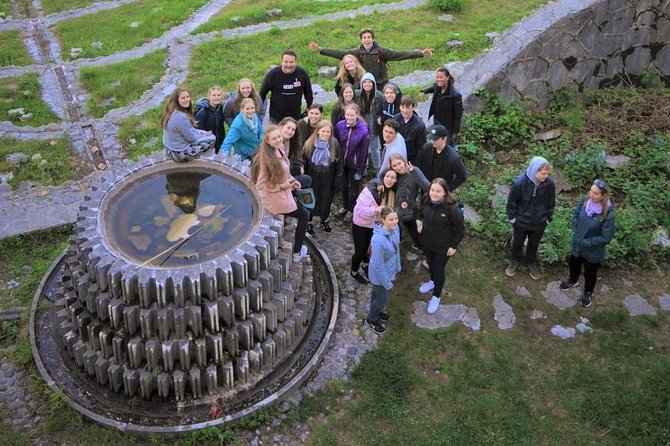
- Music-led storytelling: you’ll hear period-appropriate sound cues that match what the guide is explaining
- Four Yugoslavia/Cold War sites linked in a clear timeline
- Secret locations for atmosphere (you won’t plan the exact sights ahead of time)
- Max 16 people keeps the pace conversational
- All taxes and fees included, with local guide/driver time covered
- English tour with expert interpretation from a local guide team
Mostar’s 5:00 pm departure and how the tour actually runs
This experience starts at 5:00 pm and runs about 2 hours 30 minutes (the schedule is built around multiple short chapters and driving time). You meet at iHouse Travel, Onešćukova 25, Mostar (88000), and the tour ends back at the same place.
What I like for practical travelers: you’re not expected to self-navigate between remote-feeling spots. The tour includes round-trip transport from Mostar, with pickup working like a choose-your-area option if you select it. Most groups like this kind of set-up because you can spend your energy on listening, not transportation stress.
You’ll also want to know the cap is 16 travelers, which matters here. The subject matter is heavy—Cold War fear, political repression, war consequences—and a smaller group helps the guide keep the story tight without turning it into a lecture.
Finally, it’s English, with mobile ticket support and a confirmation at booking time. If you’re traveling with kids, the tour notes that children must be accompanied by an adult.
You can also read our reviews of more tours and experiences in Mostar.

Why this Death of Yugoslavia tour feels different (and for whom)
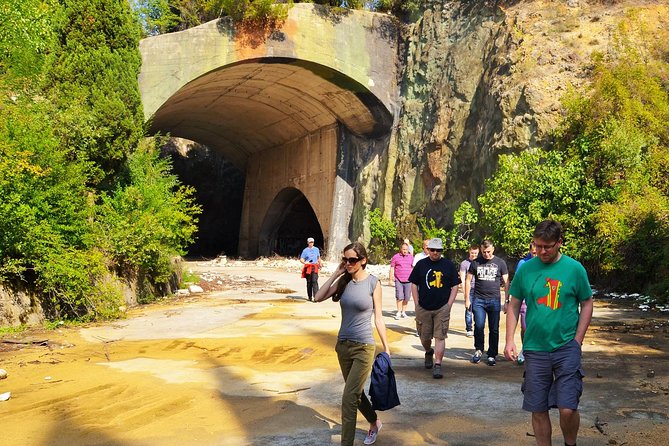
The biggest “selling point” is also the biggest potential mismatch: this tour is built around meaningful, not photo-friendly places. The sites are described as kept secret until you arrive, and they’re also described as abandoned/decaying. That choice changes the tone. You’re not on a theme-park route. You’re standing in locations that carry the emotional weight of what happened next.
This is a strong fit if you:
- care about Tito, the Cold War, and how Yugoslavia functioned day-to-day
- want to understand the path from economic trouble and nationalism to war, including how it unfolded beyond one headline
- enjoy guides who tell a story with context, not just dates
It may not be the right fit if you:
- want quick “check the box” sightseeing
- need clean, accessible, modern facilities for comfort (the tour’s focus is on relic sites, so expectations should match)
Chapter 1: Gornje Gnojnice and Yugoslav paranoia in the Cold War
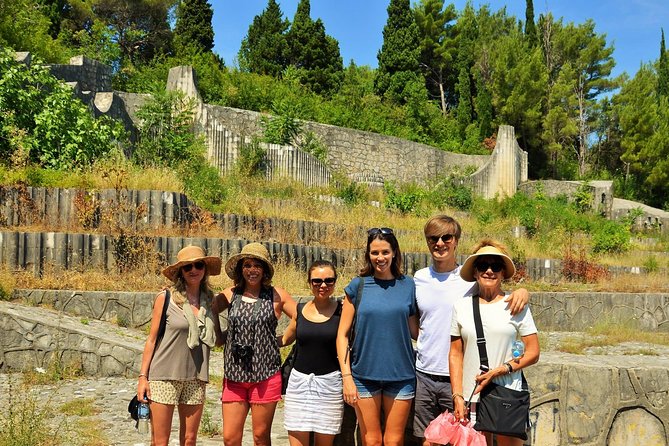
The tour begins with a drive, and that drive is part of the lesson. You’ll start with World War II and how Socialist Yugoslavia formed afterward. That matters, because Yugoslavia didn’t go straight from one era into another; it built an identity, then defended it.
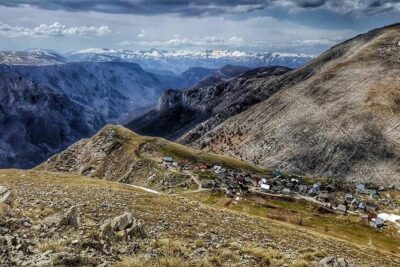
Then you reach the first secret stop at Gornje Gnojnice. Here the guide leans into the dark period tied to the Informbiro, a result of Yugoslavia’s break with the Soviet Union. In plain terms, this is where you learn about fear, suspicion, and militarization—why the state hardened in the 1950s and how the Cold War shaped everyday attitudes.
This chapter is valuable because it explains a common puzzle: why Yugoslavia could seem independent and distinct, yet still feel trapped in the logic of big-power rivalry. If you only know the breakup story from the 1990s, this adds the missing “how did it get there” piece.
Practical note: this is a short stop (~30 minutes). You’re spending time listening while you’re there, not wandering endlessly for scenery.
Chapter 2: Rodoč and Tito’s promise of a life people could dream about
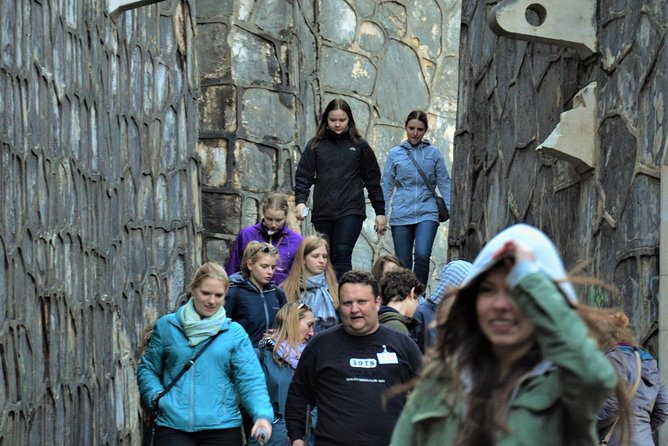
Next comes the drive to Rodoč, and the guide shifts from paranoia to something more human. This stop focuses on Josip Broz Tito—including his personal life, political achievements, and the attempt to build a “tailor-made” version of socialism for Yugoslav needs.
Then you move into what daily life felt like under that system. The tour points to Youth Work Actions and the larger push toward heavy industrialization in the 1950s and 1960s. After that, it shifts gears into popular culture, covering the brands, music, automotive industry, and lifestyle that shaped the 1970s and 1980s.
I like how this chapter doesn’t just talk politics. It tries to answer the question you should be asking when you hear about socialist Yugoslavia: what did it actually promise people? Even when the system had limits, the tour frames Yugoslavia as something more than just ideology.
You’ll likely remember this chapter as a tonal contrast to the Cold War fear from earlier. The same country, different atmosphere—because history doesn’t move in straight lines.
Chapter 3: Španski trg and the Yugoslav wars after the “golden era”
At Španski trg, the storyline moves into the late 20th century. The guide gives special attention to the 1980s, including the 1984 Sarajevo Winter Olympics, and explains why that time was often viewed as a high point for Yugoslav socialism.
From there, the chapter gets harder. The guide explains how the Yugoslav dream began to unravel due to economic depression and growing nationalisms. The tour lays out the sequence of conflict: the war flared first in Slovenia and Croatia, then expanded a year later into Bosnia and Herzegovina, where it reached its culmination. It closes by summarizing the consequences—destruction and loss of human life—not just the political map changes.
This is the part of the tour where you need to keep your expectations clear. This isn’t a “war monuments only” experience. It’s a cause-and-effect story told by connecting the earlier chapters to what came next. If you want a tour that helps you understand the chain reaction, this chapter is the key.
Also, remember you’re in a guided group with short timed stops. The guide is using each location as a chapter heading, so the impact comes from the narrative, not from time for long independent exploration.


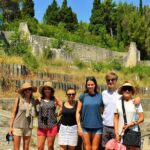
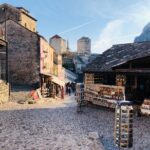
Chapter 4: The Partisan Cemetery and what Bosnia is still sorting out
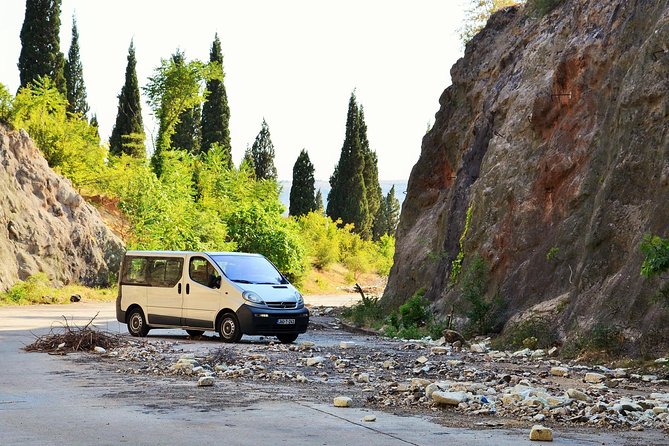
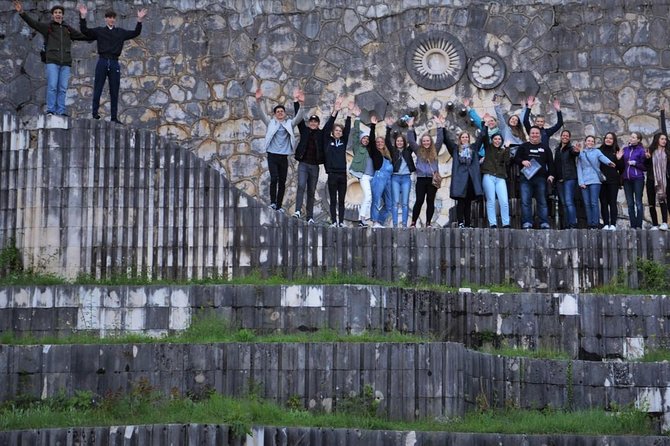
The final site is the Partisan Cemetery, and the mood shifts again. This chapter moves to Bosnia and Herzegovina today, using the cemetery space to talk about political structure and the real challenges the country faced entering the 21st century.
The guide also frames Bosnia within a bigger picture, including the idea of European Union membership and what recovery might mean—economically, culturally, and politically. You’ll return to the tension that defines so much of the region: relics of a “glorious past” exist right alongside a complicated reality.
I found this ending especially helpful because it avoids the common trap of ending a history tour in tragedy without considering what comes afterward. Even if you don’t agree with every political interpretation, the tour pushes you to ask the practical question: what do the lessons of Yugoslavia’s collapse mean for Bosnia now?
What you’re paying for: value in a Mostar evening tour
At $47.17 per person, you’re paying for more than a driver and a route. You’re paying for:
- a guided narrative by a local guide (with music cues)
- round-trip transport from Mostar
- a small group size (up to 16)
- short visits to four sites tied to Yugoslavia’s timeline
- all taxes, fees, and handling, plus local taxes
- admission tickets are listed as free for the stops
That cost can feel high if you expect “free attractions” only. But the value here is in access and interpretation. These locations are not the kind you casually stumble into, and the tour is designed around the guide’s ability to explain why each stop matters.
If you’re comparing it to self-guided sightseeing, the trade-off is time spent listening instead of figuring out logistics. If you’re comparing it to a standard city walking tour, the trade-off is heavier subject matter and more time in a van between sites. For many people, that’s exactly the point.
Guide quality: what stands out from the local team
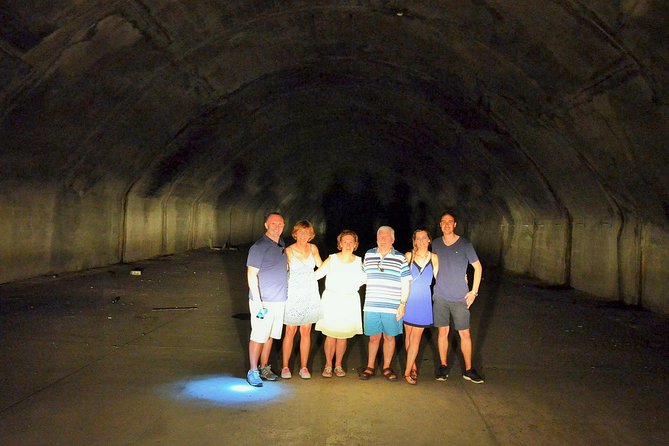
The reviews’ pattern is pretty clear: the guide makes or breaks this tour, and the guiding style here is built for storytelling. Names you might hear in the guide team include Marco, Marko, Miran, Dario, Marin, Myran, and Sebi—and several of them are praised for turning complicated Balkan history into something you can follow.
More than just facts, the standout detail is the guide’s use of music to match the era being discussed. That’s not just “background sound.” It’s a memory tool. When you connect a song style to a decade, the timeline sticks.
I’d also treat the guides as local informants, not just narrators. Some guides are noted for adding personal context growing up in the region, which can make the political story feel less abstract.
A balanced heads-up: what can feel frustrating
This tour can upset people for two main reasons.
First, the locations are described as abandoned and decaying. Some travelers come expecting major sights and get something more “ruined and quiet.” If that doesn’t match your taste, it’ll feel like a disappointment rather than history.
Second, because the locations are kept secret for the experience, you won’t have a neat list of landmarks to research beforehand. That’s great for atmosphere. But if you love planning photos and exact route details, it might feel vague.
If you’re open-minded and you’re there for the story, the secrecy and the condition of the sites usually become part of the emotional effect.
Who should book this Mostar tour (and who should skip it)
Book it if you:
- want to understand Tito’s Yugoslavia beyond stereotypes
- care about Cold War dynamics, especially the Informbiro period and the break with the Soviet Union
- want a guided explanation of how nationalism and economic stress fed into the wars
- like history told with a personal, human tone and music cues
Skip it if:
- you mainly want light, scenic sightseeing
- you need fully maintained, comfortable facilities at each stop
- you don’t want war-adjacent material even when framed through context and consequences
Also, bring a little patience for a tour that includes driving time. The chapters are timed, so the pace is intentional rather than leisurely wandering.
Should you book the Death of Yugoslavia tour in Mostar?
If your trip to Mostar includes at least one “meaningful history” day, I’d strongly consider booking this. The combination of four timed chapters, local guide storytelling, and music-based era switching makes it more than a standard transport-and-photos outing.
Just go in with the right expectations: this isn’t about pretty stops. It’s about understanding how Yugoslavia was imagined, how it hardened under Cold War pressure, how it lived through Tito’s era, and how it unraveled into war—then how Bosnia still lives with the aftermath. If that sounds like what you came for, this tour is a good use of an evening.
FAQ
What time does the tour start in Mostar?
The tour starts at 5:00 pm.
Where do I meet for the tour?
You meet at iHouse Travel, Onešćukova 25, Mostar (88000), Bosnia and Herzegovina.
How long is the experience?
It lasts about 2 hours 30 minutes.
Is the tour in English?
Yes, it is offered in English.
How many people are in a group?
The tour has a maximum of 16 travelers.
Is food included?
No. Food and drinks are not included.
Are admission tickets included for the stops?
Yes. Admission ticket cost is listed as free for the stops.
Do I need hotel pickup?
Hotel pickup is available if you select the option. If you don’t, you still meet at the iHouse Travel address, and the activity ends back at the meeting point.
What’s the cancellation window?
You can cancel for a full refund up to 24 hours in advance of the experience’s start time.