REVIEW · SARAJEVO
Times of Misfortune – Life Under Siege and the Tunnel of Hope
Book on Viator →Operated by Insider Ltd · Bookable on Viator
Sarajevo under siege changes how you see a city. This guided walk-and-drive, Times of Misfortune, turns big-history dates into real places you can point at. You’ll pass wartime landmarks tied to decisions, media, and survival, then spend extra time at the Tunnel of Hope museum where the story moves underground.
What I like most is the way the tour leans on a guide’s lived perspective. Nermin (mentioned often in feedback) is described as a former police officer who could make events feel real, not just memorized. I also love that the itinerary is built like a timeline you can follow with your eyes, ending with the museum stop that’s described as especially moving and story-framing.
One thing to consider: the topic is heavy, and the most in-depth stop (the Tunnel of Hope Museum) costs extra on top of the tour price. Also, several sights are pass-by views, so you should go in expecting shorter photo stops and more guidance than lingering.
In This Review
- Key takeaways before you go
- Why Times of Misfortune Works: Siege history you can see
- Meeting point and timing: 3.5 hours with smart pacing
- Yellow Fortress viewpoint: where defense meets perspective
- Kovači Cemetery: a stop that slows the whole tour down
- The city as a wartime map: City Hall, Markale, and more pass-by
- Stadiums, a medical stop, and the city’s dangerous edge
- Tunnel of Hope Museum: the stop with the emotional payoff
- Price and value: what $32.58 covers (and what it doesn’t)
- Practical tips to get the most from this tour
- Who should book this, and who might choose something else
- Should you book Times of Misfortune in Sarajevo?
- FAQ
- How long is Times of Misfortune in Sarajevo?
- Where do I meet for the tour?
- What language is the tour offered in?
- How many people are in the group?
- Is transportation included?
- Is the Tunnel of Hope Museum ticket included?
- How much is the Tunnel of Hope Museum ticket?
- Are there any other admission tickets included or free?
- What happens if the weather is bad?
- What’s the cancellation window?
Key takeaways before you go
- Nermin-led storytelling that feels personal and grounded in lived experience
- Tunnel of Hope Museum is the emotional centerpiece, with a film and a strong sense of purpose
- You’ll cover the city fast via a mix of short stops and pass-by viewpoints
- Most stops are free, but the Tunnel ticket is not included
- Small group size (max 20) helps the tour feel human, not rushed
Why Times of Misfortune Works: Siege history you can see
If you only learn about the Siege of Sarajevo from photos or textbooks, it stays abstract. This tour does a better job of making it concrete. You’re not just reading about strategy and suffering—you’re walking (and riding) through the built environment where those choices played out.
I like the tour’s mix of “big official” and “human-scale” points of reference. You get landmarks tied to government and national institutions, but you also stop at places meant for remembrance and care. That balance matters, because Sarajevo during 1992–1995 wasn’t only a political story; it was daily life under threat.
The other reason it works is the guiding approach. The reviews put a spotlight on Nermin’s ability to explain events in a way that feels like someone is translating lived memory for you. When a guide can connect the official narrative to what it meant in real time, you start to understand why specific locations became targets—and why survival required planning, cooperation, and stubborn endurance.
You can also read our reviews of more tours and experiences in Sarajevo.
- Fall of Yugoslavia, Sarajevo War Tour with Tunnel of Hope Museum and Frontlines
★ 5.0 · 1,314 reviews
Meeting point and timing: 3.5 hours with smart pacing
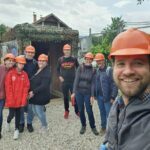
The tour starts at Sarajevo Insider – City Tours and Excursions, at Zelenih beretki 30, Sarajevo 71000. You end back at the same place. It runs about 3 hours 30 minutes and is offered in English with a licensed guide.
The group is capped at 20 travelers, which is a sweet spot for this kind of subject. You’re in a city with difficult emotions; smaller groups usually mean fewer bottlenecks at viewpoints and more chance to hear details clearly.
Transportation is included, and that’s a practical plus. A tour focused on wartime geography is naturally spread out, and driving helps you keep momentum. It also means you spend less time fighting traffic and more time listening, looking, and taking photos during the brief stops.
Yellow Fortress viewpoint: where defense meets perspective
One of the first stops is the Yellow Fortress, with about 20 minutes on site. The key value here is the view. Even if you’re not a military history buff, heights help you grasp why certain places mattered and why the city’s geography became part of the siege reality.
You get more than a quick “look around.” The fortress is described as offering insight into Sarajevo’s wartime defenses, and that’s exactly what I’d expect from a guided approach. You can stand there and connect the dots with what you’ll see later: government buildings, media sites, and the route-based danger points.
A practical note: fortress viewpoints can mean stairs and uneven ground depending on your exact route. If you’re the kind of traveler who hates slipping on old stone, wear supportive shoes. The tour is built for most travelers, but comfort will help you focus on the story rather than your feet.
Kovači Cemetery: a stop that slows the whole tour down
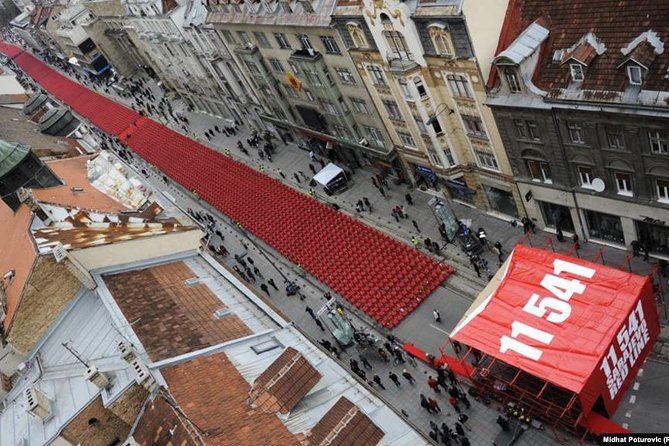
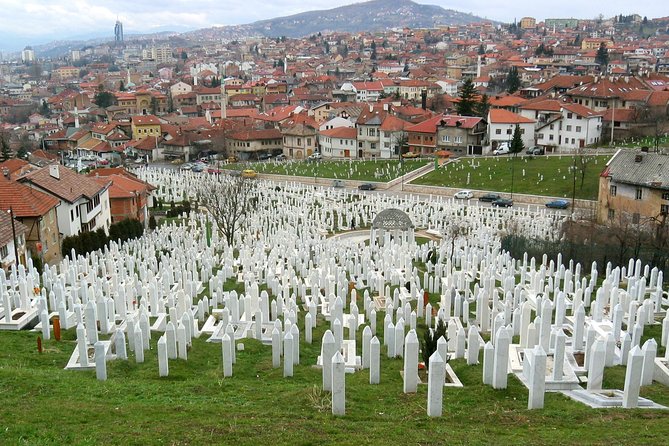
Next comes Kovači Cemetery, listed at around 5 minutes. That sounds short, but it’s not meant to be a long ceremony. It’s a quick, respectful memorial stop that sets a serious tone.
The site is described as honoring Bosnia’s defenders from the 1992–1995 war. For me, that matters because it grounds the tour. You can hear about buildings and strategies, but without remembrance, the narrative can feel too clean. This stop reminds you that people paid the cost, not just nations and institutions.
Because the stop is brief, treat it like a reset moment. If you want to take photos, do it fast and keep your attention on what the cemetery represents. This is one place where you’ll likely feel the weight of the topic whether you’re ready or not.
The city as a wartime map: City Hall, Markale, and more pass-by
After the cemetery, the tour shifts into “city reading” mode. Several landmarks are pass-by views, so you’ll see them from the outside and get guided context while you move. That approach works well here: it keeps the timeline flowing without making you wander too far on foot.
Here are the pass-by sights and what they add:
- City Hall: You learn about its role during the war, including its destruction and symbolic restoration. This is a strong reminder that even central civic spaces can be reshaped by conflict.
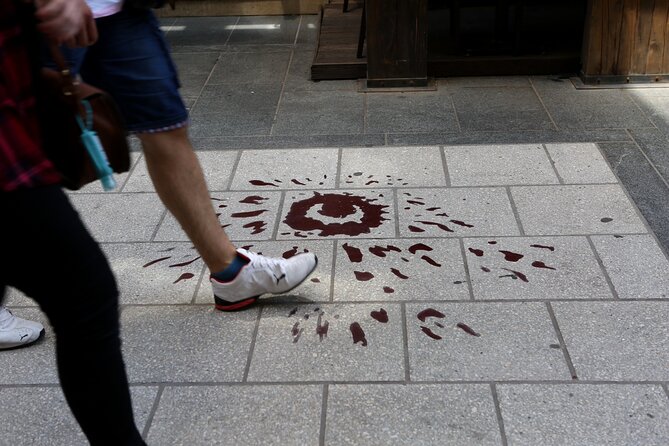
- Markale City Market: You glimpse a busy market area that bore witness to key moments during the siege period. It’s a useful contrast: ordinary commerce under extreme danger.
- Trg Djece Sarajeva: This square is highlighted as a symbol of Sarajevo’s endurance. Squares like this often work like open-air history lessons—simple, public, and hard to forget.
- Presidency Building: You view the historic seat of the presidency, described as pivotal during the war. Even from outside, the building helps you understand how government presence becomes both a target and a symbol.
I like that this stretch doesn’t try to overwhelm you with every detail at every stop. Instead, it gives you enough to connect later dots—especially when the tour hits the more intense locations.
One consideration: because these are pass-by stops, you won’t get long time to observe architecture from every angle. If you’re a slow photographer, plan on shooting while the guide explains and keeps the group moving.
- Fall of Yugoslavia, Sarajevo War Tour with Tunnel of Hope Museum and Frontlines
★ 5.0 · 1,314 reviews
Stadiums, a medical stop, and the city’s dangerous edge
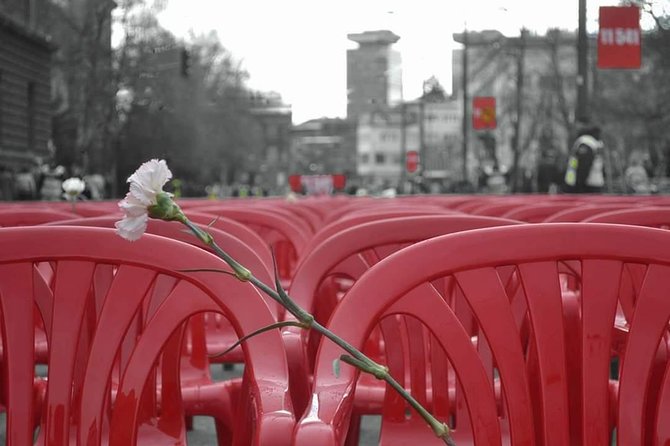
A major shift comes next with Asim Ferhatovic Hase Stadium, plus nearby reference to Hall Zetra. This stop is about 10 minutes, and the tour frames the area around Sarajevo’s dual identity: an Olympic hub and a war-torn setting.
That dual identity is the point. You’re seeing how a place built for sport and public life can become part of the siege story. When you connect that to later locations like clinics and media buildings, you start to see the city as a system where everything—from institutions to infrastructure—could be repurposed under pressure.
Then you go to Sarajevo Maternity Hospital (listed as 10 minutes). The emphasis here is on the heroic efforts of medical staff during the siege. This is where the tour becomes more human and less architectural. It also balances the narrative: beyond destruction and strategy, you’re reminded that people still worked, cared for others, and tried to keep life going.
After that, you pass key landmarks tied to wartime communication and politics, including:
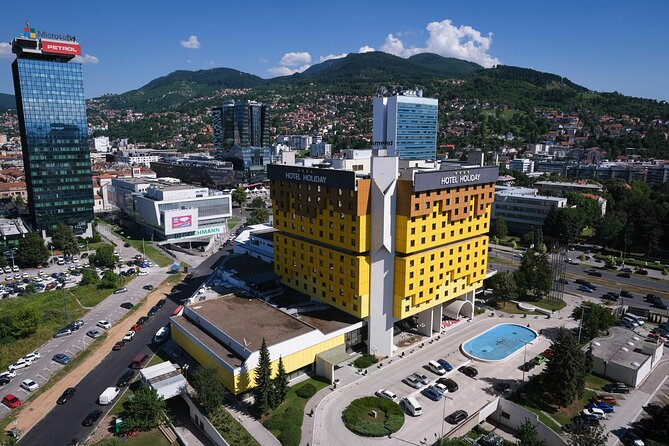
- Parliament and Holiday Inn Hotel: connected to wartime journalism and political decisions
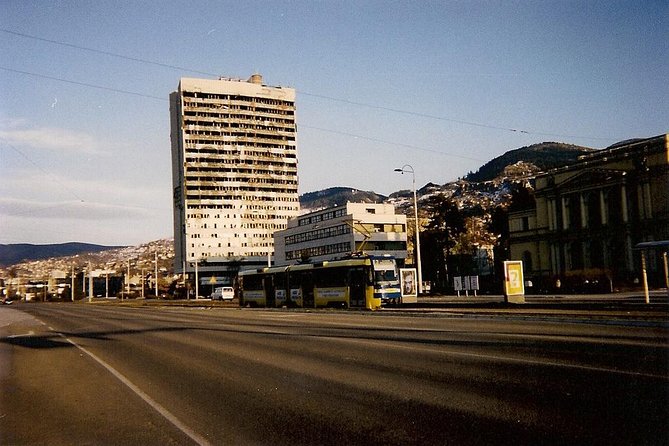
- Sniper Alley: driven along the city’s most dangerous street during the siege
- RTV Dom (TV Building): the national TV building that broadcasted during key moments
I’ll be honest: driving past Sniper Alley is the kind of moment where you stop treating the tour like sightseeing. Even with only a pass-by drive, the label alone signals danger. The guide context makes it clear that this wasn’t just dramatic street trivia—it was an active part of siege reality.
Tunnel of Hope Museum: the stop with the emotional payoff
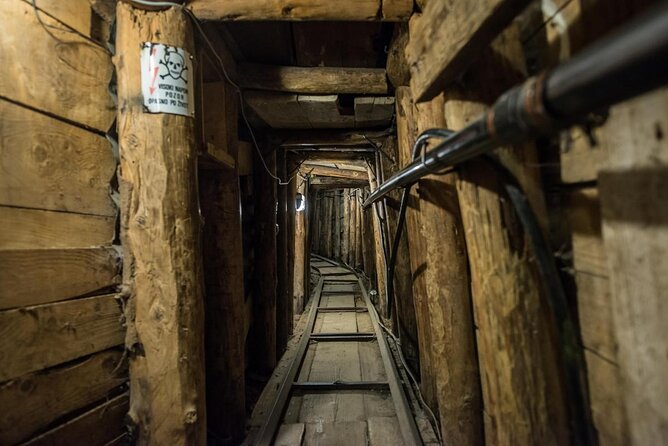
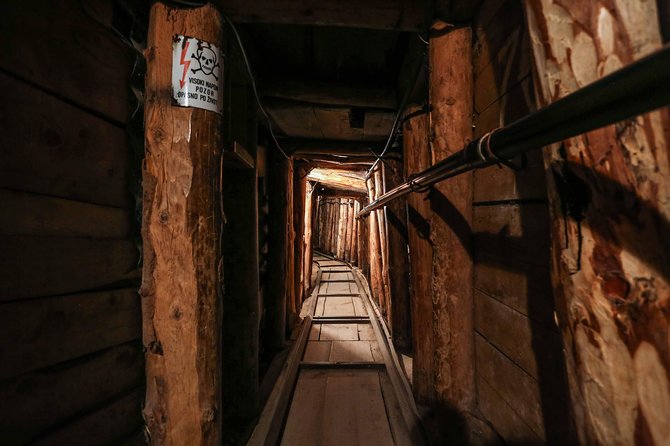
The tour’s longest single segment is Sarajevo War Tunnel / Tunnel of Hope Museum, with about 1 hour 15 minutes. Admission is not included in the tour price, and you’ll want to budget for it.
This is where the story becomes physical. An underground passage that connected Sarajevo to the outside world is hard to imagine until you see how it’s presented. The museum experience is described as extraordinary, including the tour’s mention of a movie about the siege.
I love that this stop works as both education and emotional framing. Earlier, you’ve been assembling a mental map: fortifications, memorials, government sites, media buildings, clinics. Then the Tunnel of Hope museum gives you a single “how” to hold onto—how a city tried to keep breathing when it was under siege.
If you’re sensitive to war-related content, give yourself permission to take breaks. The museum time is long enough that you can feel overwhelmed if you sprint through it. Slow down, read the key sections, watch the film if offered in the visit flow, and let the guide’s earlier context land here.
Price and value: what $32.58 covers (and what it doesn’t)
The tour price is listed as $32.58 per person, lasting about 3 hours 30 minutes. For that you get:
- a licensed guide
- transportation
- a route that strings together multiple major sites, most without extra paid admission
The main add-on is the Tunnel of Hope museum ticket:
- Adults: 20 BAM (listed as 10.50€)
- Students: 8 BAM (listed as 4.50€)
So the value depends on one thing: you’ll almost certainly spend the extra money because this is the emotional centerpiece. If you’re the type of traveler who only wants a quick overview of Sarajevo’s siege-era landmarks, this might feel like you’re paying extra for the part that matters most. But if you want the story explained and you care about understanding what “connected the city to the outside world” actually meant, the ticket is the cost of admission to the heart of the experience.
Also, the tour earns strong trust signals: a 4.9 rating from 53 reviews and 98% recommended. That doesn’t mean it’s perfect for everyone, but it does suggest consistent guide quality and an itinerary that hits what people come for.
Practical tips to get the most from this tour
Here’s how to make the experience smoother without turning it into checklist tourism.
- Wear good shoes. You’ll be stopping at viewpoints and memorial spaces, and comfort will help you stay present.
- Plan for emotions. This is a siege-focused tour. If you’re traveling with someone who wants lighter history, it may not be the best fit.
- Budget for Tunnel tickets. You’ll likely want to go in, and it’s not included in the base price.
- Bring a small camera or phone charger mindset. Pass-by views mean short photo windows.
- Expect driving plus brief stops. The structure is designed to cover a lot in a single afternoon, which is helpful when time is limited.
One more practical note: the experience requires good weather. If the day’s conditions are poor, the tour may be offered on a different date or refunded—so check your confirmation details close to departure.
Who should book this, and who might choose something else
This tour is a strong fit if you want a focused Siege of Sarajevo experience with context, not just photos. It’s especially good if you like guides who can connect places to lived events, like Nermin’s story-driven approach.
It also fits well when you have limited time in Sarajevo and want a route that touches key institutions quickly—government, media, memorials, medical history—then gives you the long museum stop at the Tunnel of Hope.
You might consider a different option if:
- you’re uncomfortable with war-related content and mourning themes
- you prefer slow, on-foot exploration with lots of time inside buildings (because some major sights are pass-by)
- you’re traveling on a tight budget and don’t want to add the Tunnel ticket cost
Should you book Times of Misfortune in Sarajevo?
If your goal is to understand the Siege-era story through real places, I think this is a smart booking. The mix of short stops, pass-by context, and then the Tunnel of Hope Museum gives you both overview and an emotional anchor. With a guide like Nermin described as having lived experience, the tour avoids the dry, lecture-only trap.
Book it if you want:
- a guided route that makes Sarajevo’s wartime geography make sense
- a moving museum stop that gives the story a “this is how it worked” feeling
- a small-group format that keeps listening easy
Skip or adjust expectations if you need lighter history, longer time at each site, or you want zero extra tickets. But if you can handle heavy material and want the city to explain itself, Times of Misfortune is one of the most meaningful ways to spend a few hours in Sarajevo.
FAQ
How long is Times of Misfortune in Sarajevo?
It runs for about 3 hours 30 minutes.
Where do I meet for the tour?
The meeting point is Sarajevo Insider – City Tours and Excursions at Zelenih beretki 30, Sarajevo 71000, Bosnia and Herzegovina.
What language is the tour offered in?
The tour is offered in English.
How many people are in the group?
The tour has a maximum of 20 travelers.
Is transportation included?
Yes. Transportation is included.
Is the Tunnel of Hope Museum ticket included?
No. Tunnel of Hope Museum admission is not included.
How much is the Tunnel of Hope Museum ticket?
Adults pay 20 BAM (10.50€). Students pay 8 BAM (4.50€).
Are there any other admission tickets included or free?
The tour description lists several stops with admission ticket free, while the Tunnel of Hope Museum is the separate paid ticket.
What happens if the weather is bad?
The experience requires good weather. If it’s canceled due to poor weather, you’ll be offered a different date or a full refund.
What’s the cancellation window?
Free cancellation is available up to 24 hours in advance for a full refund.
You Might Also Enjoy
More Tour Reviews in Sarajevo
- Fall of Yugoslavia, Sarajevo War Tour with Tunnel of Hope Museum and Frontlines
★ 5.0 · 1,314 reviews