REVIEW · MOSTAR
Charming Mostar: Private Mostar Walking Tour
Book on Viator →Operated by Mostar Travel Agency · Bookable on Viator
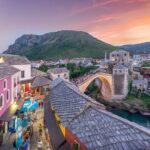
Mostar’s history walks right beside you. This private Mostar walking tour strings together the city’s best-known sights, starting at the UNESCO Old Bridge and ending with a look at bosanska kafa and why coffee matters here.
I love how the guide turns big events into something you can actually picture. Guides like Adi and Amel explain the story before, during, and after the 1990s, with clear context and strong personal perspective. I also like that it stays calm and conversational—when you’re not in a big crowd, you can ask questions and linger at Kujundziluk.
One thing to plan for: food and drinks aren’t included. You’ll learn about Bosnian coffee in a local restaurant, but you’ll likely pay if you want to order.
In This Review
- Key Highlights I’d Use to Decide
- Starting at the UNESCO Old Bridge, Where the City’s Story Is Written in Stone
- The Private Guide Advantage in a Tight 2-Hour Window
- Kujundziluk Bazaar: European Jerusalem in One Walkable Patch
- The Bridge Jump Tradition, and the Courage Story Behind It
- Bosanska Kafa: Why Coffee Here Comes With Rules
- Price and Value: What You’re Really Paying $47.29 For
- Timing, Pace, and What That 2-Hour Walk Feels Like
- Who This Private Mostar Tour Fits Best
- Should You Book This Charming Mostar Private Walking Tour?
- FAQ
- How long is the Charming Mostar Private Mostar Walking Tour?
- Is hotel pickup and drop-off included?
- Is this a private tour or a group tour?
- What’s included in the price?
- Are food and drinks included?
- What language is the tour offered in?
- Do I need good weather to go?
- Are children allowed?
Key Highlights I’d Use to Decide
- Private group keeps the pace unhurried and questions easy to ask
- Hotel pickup and drop-off means less time negotiating streets and meeting points
- Old Bridge focus plus key background on Mostar and Bosnia and Herzegovina
- Kujundziluk bazaar walk in the oldest part of town
- Religious diversity story tied to why Mostar is often called European Jerusalem
- Bosanska kafa ritual explained as a social tradition, not just a drink
Starting at the UNESCO Old Bridge, Where the City’s Story Is Written in Stone
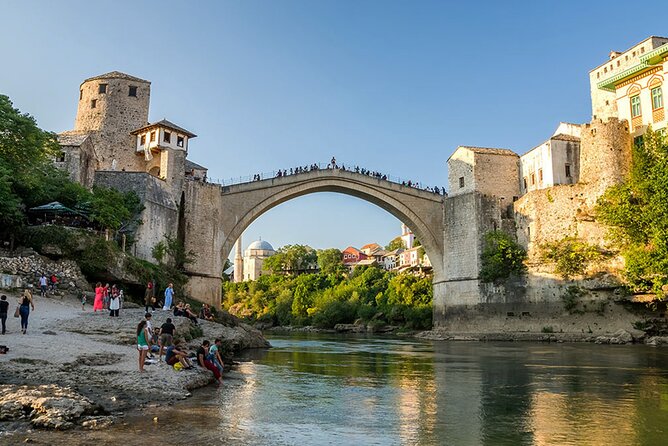
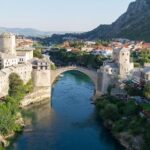
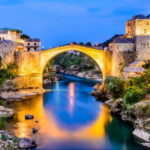
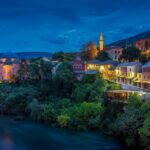
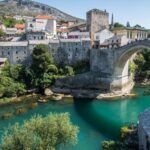
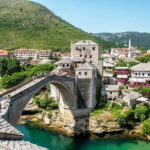
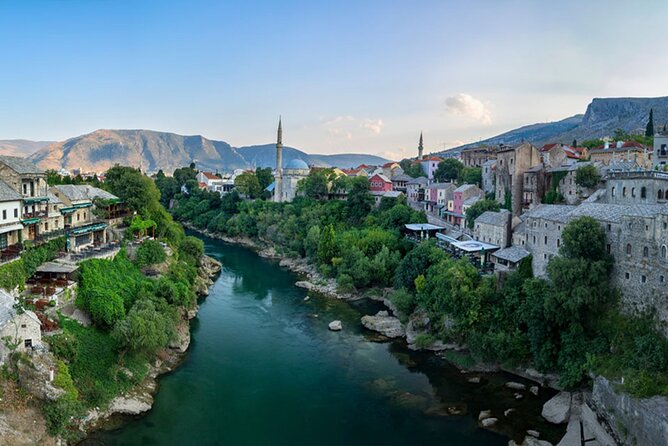
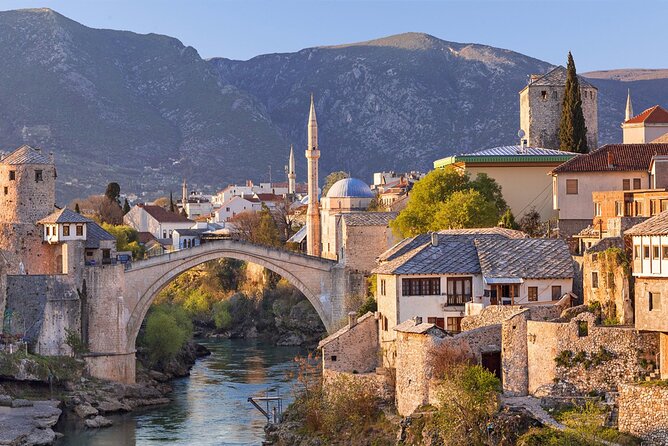
You begin where Mostar’s world-famous photo usually starts: the UNESCO-listed Old Bridge area. That matters because this bridge isn’t just a landmark. It’s a point where geography, trade, and identity all meet. From there, the tour sets you up to see the city with context instead of just sightseeing.
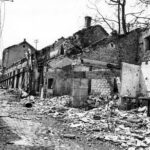
A good guide helps you connect what you’re seeing to what happened here—before the 1990s conflict, during it, and in the long recovery afterward. The goal is to give you mental “anchors” while you walk, so the bridge and surrounding streets stop being a pretty backdrop and start feeling like part of a real story.
Expect an easy, local-feeling intro as you pick up the big picture of Mostar and Bosnia and Herzegovina. This is also the moment you’ll hear about the stećak-medieval tombstones and why they matter in the region’s long timeline.
You can also read our reviews of more walking tours in Mostar
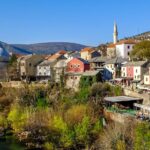
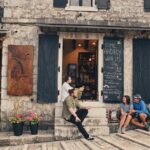
The Private Guide Advantage in a Tight 2-Hour Window
The tour runs about 2 hours, and the private format is what makes that time work. You’re not trying to keep up while someone else decides which sidewalk “counts” as the next stop. Instead, you get a guide who can shape the walk to your questions.
The reviews give a consistent theme: the best guides keep history grounded and personal. Adi, for instance, is praised for laying out history leading up to the 1990s conflict, what happened during it, and what came after—especially meaningful if you’re traveling with someone who wants a deeper explanation, not just landmarks. Amel also stood out for explaining both earlier and later periods with a clear presentation style.
Sanja was another name that came up for sharing family experience during the war and what reconstruction meant in daily life. That kind of story doesn’t replace official history—but it helps you understand the human scale of it.
In plain terms, this tour is good at turning “I’ve heard the name Mostar” into “I understand why this bridge and this town look the way they do.”
Kujundziluk Bazaar: European Jerusalem in One Walkable Patch
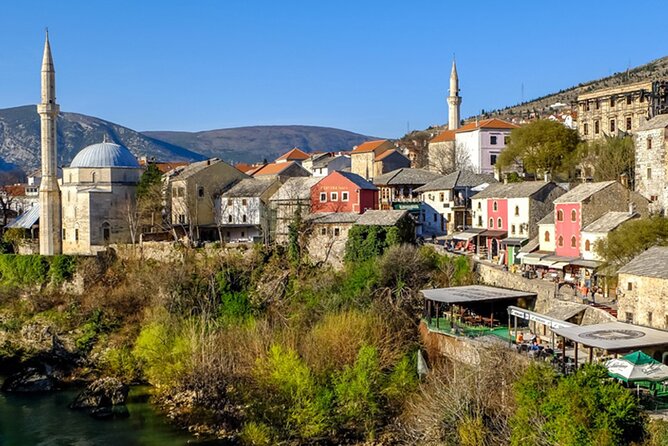
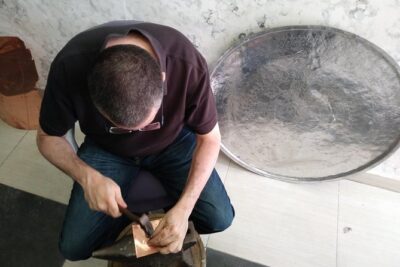
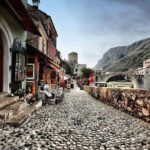
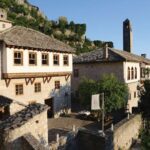
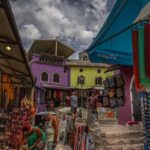
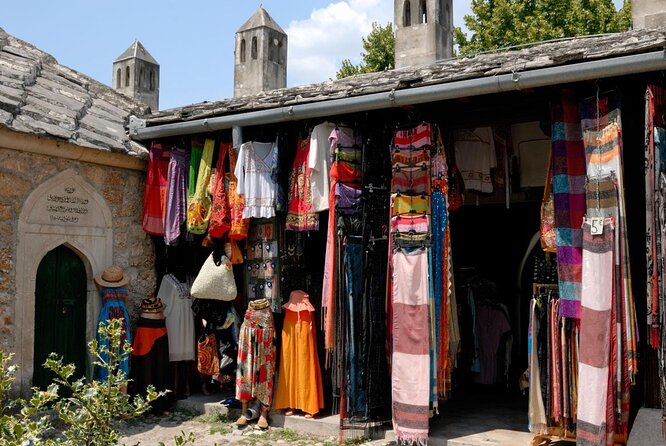
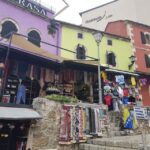
After the Old Bridge area, you move into Bazar Kujundziluk, the old bazaar section. This is where you start sensing the city’s layers: commerce, craftsmanship, and the way different communities have lived close together.
Here’s one of the tour’s standout framing ideas. Mostar is often called European Jerusalem, and the guide explains why: in less than one square kilometer you can find five mosques, two Orthodox churches, two Jewish synagogues, and one Catholic church. That’s not a trivia flex. It’s a lens. When you walk with it in mind, you start to notice details you might otherwise miss.
You’ll also walk the bazaar in a way that’s meant to feel old, not “theme-park old.” The old bazaar is described as having an appearance that hasn’t changed much since the mid-16th century. So even though you’re in the present, you’re walking through a street pattern and feel that connects back centuries.
If you enjoy markets, small streets, and the slow observation style of travel, this stop is a big reason to choose this tour over a quick “bridge-only” visit.
The Bridge Jump Tradition, and the Courage Story Behind It
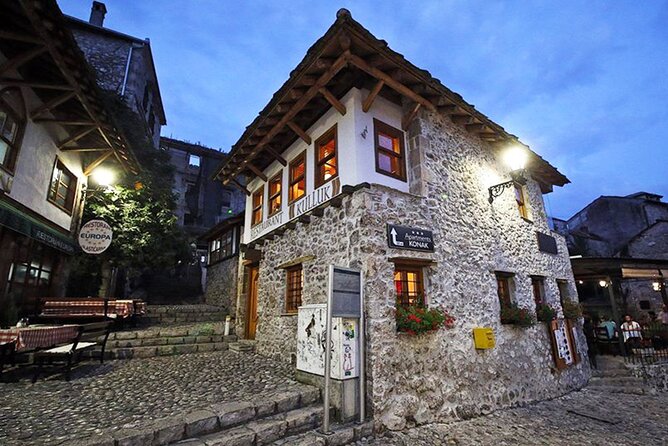
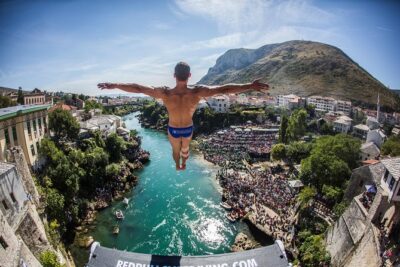
In the middle of the bazaar portion, the guide introduces the city’s famous bridge jump tradition. The key detail is the age of it: it dates back more than 450 years. You don’t just hear that number and move on. The tour connects the tradition to local identity and why it became a public test of courage.
This is one of those cultural details that helps you see beyond monuments. Mostar isn’t only about architecture and conflict history. It’s also about habits, rituals, and the kinds of challenges people turn into shared stories.
Because you hear the tradition in the flow of the day—right while you’re walking through the old market area—it lands better than if it were a stand-alone fact.
Bosanska Kafa: Why Coffee Here Comes With Rules
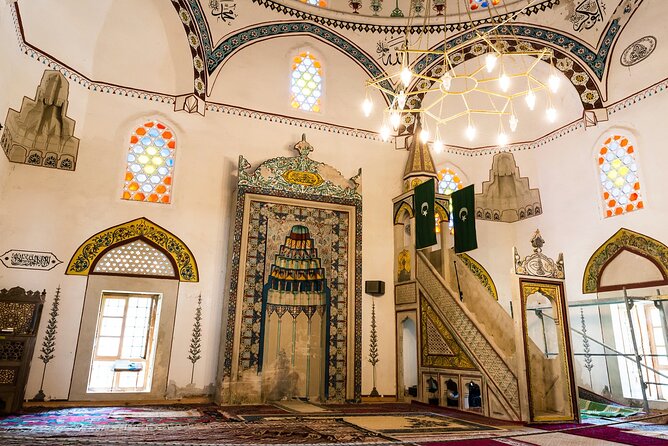
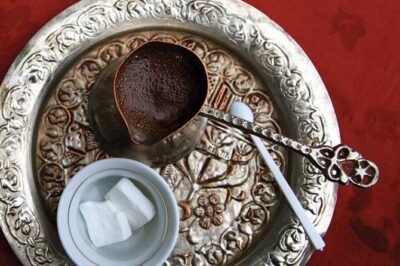
The final stop circles back to the Old Bridge area for Traditional Bosnian coffee in a local restaurant. This isn’t presented as a caffeine stop. It’s explained as a social ritual, with a specific process.
The tour highlights something important: Bosnian coffee is typically unfiltered, and the method comes with a clear procedure. The point is to show you that coffee-making and coffee-drinking here are part of how people talk, wait, and connect.
You should also know what this means for your wallet. Food and drinks aren’t included. That’s not a dealbreaker, but it does mean you’ll probably want to decide ahead of time whether you’ll order a cup as part of the experience. Even if you don’t, you’ll still understand what you’re looking at and why locals treat it like more than a quick beverage.
If you’ve ever wished a walking tour would give you something to do with your senses—taste, smell, watch—you’ll likely appreciate this ending.
You can also read our reviews of more private tours in Mostar

Price and Value: What You’re Really Paying $47.29 For
At $47.29 per person, this tour sits in a mid-range spot for Mostar. The value comes from what’s included, not the sticker price.
You get:
- a local guide and professional guidance
- round-trip hotel pickup and drop-off within Mostar
- a private format (only your group participates)
That pickup part matters more than people think. Mostar’s best sights are concentrated, but figuring out where to meet and how to reach starting points can eat into a short visit. Here, the tour handles that.
What’s not included:
- food and drinks
So the best way to think about the price is this: you’re paying for guided time plus convenience. If your group is small, it can still be worth it when you consider you’re getting a direct conversation style of history and culture, not a crowded “look fast, move fast” experience.
One extra detail: the tour is often booked about 69 days in advance. That’s a hint it’s popular. If your dates are firm, it’s smart to lock it in rather than gamble.
Timing, Pace, and What That 2-Hour Walk Feels Like
The structure is simple and well-paced:
- a first segment focused on the Old Bridge area and key history
- then a Kujundziluk market walk and cultural context
- then a restaurant stop for the Bosnian coffee ritual
The durations listed for each stop add up to around the tour’s total time (roughly 2 hours including walking). It feels built for first-time orientation—especially if it’s your first day in Mostar.
Also, this tour is offered in English, and most travelers can participate. Children must be accompanied by an adult.
Because it’s a walking format, you’ll want comfortable shoes. The data also notes that it requires good weather. On a clear day, this is easy. On a rainy day, you’ll want to rely on the operator’s plan to change dates rather than forcing it.
Who This Private Mostar Tour Fits Best
This is the kind of tour you book when you care about meaning more than checklists.
You’ll probably love it if:
- you want history with context, including the 1990s period
- you like a market walk rather than only monuments
- you want a guide who will answer questions and add personal perspective
- you appreciate finishing with a culture-related ritual, not just another photo spot
If you’re the type who gets annoyed by big group tours, the private format is a real advantage. The reviews repeatedly praise that it feels better than a large-group experience because you can ask questions and move at a pace that works for you.
Should You Book This Charming Mostar Private Walking Tour?
If you’re deciding between a quick “Old Bridge only” visit and something that helps you understand the city, I’d lean toward booking this.
Here’s my practical checklist:
- If you want history that explains before/during/after the 1990s conflict, you’ll get that through the guide style.
- If you want the Old Bridge plus the Kujundziluk bazaar experience, this gives you both in one go.
- If you’d rather not spend time in restaurants or markets, you might feel it’s a bit more “culture and conversation” than “pure sights.”
One final note: go in knowing food and drinks aren’t included. Plan to either order the coffee you’ll learn about—or keep it as a learning stop and budget for it later.
If your goal is a first solid orientation to Mostar—bridge, bazaar, and the human story behind them—this private walk is a strong pick.
FAQ
How long is the Charming Mostar Private Mostar Walking Tour?
It’s about 2 hours (approx.).
Is hotel pickup and drop-off included?
Yes. The tour includes round-trip hotel transfers from Mostar.
Is this a private tour or a group tour?
It’s a private tour. Only your group participates.
What’s included in the price?
The included items are local guide / professional guide and hotel pickup and drop-off.
Are food and drinks included?
No. Food and drinks aren’t included.
What language is the tour offered in?
The tour is offered in English.
Do I need good weather to go?
Yes, it requires good weather. If it’s canceled due to poor weather, you’ll be offered a different date or a full refund.
Are children allowed?
Children can participate, but they must be accompanied by an adult.