REVIEW · SARAJEVO
From Sarajevo: Travnik, Jajce, Pliva Lakes & Watermills Tour
Book on Viator →Operated by Meet Bosnia Travel · Bookable on Viator
One day can cover Central Bosnia’s biggest hits. I like how this tour stitches together Travnik and Jajce with enough stops to feel full, not rushed—plus a guide who brings the stories to life (names I’ve seen praised include Ismet, Alem, Ahmed, and Adnan). You’re also not stuck on your own schedule: round-trip transport from Sarajevo does the heavy lifting.
Two more reasons it’s a smart choice. You get a small group (maximum 8), which usually means questions actually get answered, and you’ll have time at key sights instead of just passing through. The big scenery moments are real: Mlincici watermills by Pliva Lakes, Jajce’s Pliva Waterfall, and the fortress views above town.
One drawback to plan for: it’s a long day and a couple of the most famous Jajce stops charge separate entrance fees, plus lunch isn’t included.
In This Review
- Key things to love about this Sarajevo-to-Central-Bosnia day trip
- Why Travnik and Jajce in one day actually makes sense
- Morning in Travnik: old town charm plus a mosque you’ll remember
- A practical tip for Travnik
- Jajce Fortress: medieval walls, plus names tied to power
- What to look for
- The Pliva Lakes moment: a quick view that sets the tone for the watermills
- Mlincici watermills: those stilt huts tell a smart engineering story
- My best advice for Mlincici
- Pliva Waterfall: a centerpiece you can’t fake with photos
- What makes this stop worth the extra ticket
- Catacombs of Jajce: small, half-lit, and surprisingly specific
- How to enjoy the catacombs
- The guide factor: why this tour feels personal even when it’s a day trip
- What I think you’ll notice
- Price and value: what’s included, what to budget, and why it still works
- My money-sense tip
- Logistics you should plan around: it’s a 10–11 hour day
- Who this tour is best for (and who should skip it)
- Should you book this Sarajevo day trip?
Key things to love about this Sarajevo-to-Central-Bosnia day trip
- Small group (max 8) for a more personal pace and better site explanations
- Travnik + Jajce + Pliva Lakes in one day, so you don’t have to choose just one
- Sarena Džamija (Colorful Mosque) and Travnik’s old-town texture in the morning
- Mlincici watermills with the story behind those stilted mill huts
- Pliva Waterfall and Jajce catacombs for nature + early-1400s burial-room history
- Guides like Ismet, Alem, Ahmed, and Hannah are repeatedly praised for clear English and strong storytelling
Why Travnik and Jajce in one day actually makes sense
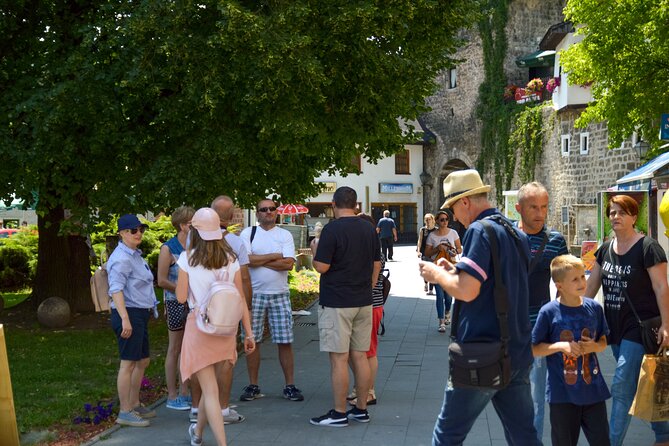
This trip is built around a simple idea: Central Bosnia’s best mix is history up high and nature down low. Travnik gives you the old-town feel—courtyards, traditional houses, and the Colorful Mosque. Then you roll into Jajce, where the medieval fortress sits above town, and the water theme picks up again at Pliva Lakes and the watermills.
If you only have a few days in Sarajevo, this is the kind of day trip that protects your time. Instead of doing one town and losing the rest to logistics, you cover several distinct “mood zones” in the same day. And because you’re in a guided format, you get the why behind what you’re seeing, not just the where.
You can also read our reviews of more tours and experiences in Sarajevo.
- Fall of Yugoslavia, Sarajevo War Tour with Tunnel of Hope Museum and Frontlines
★ 5.0 · 1,314 reviews
Morning in Travnik: old town charm plus a mosque you’ll remember
The day starts at 8:00 a.m., meeting at Meet Bosnia Tours in Sarajevo (Gazi Husrev begova 75). If you request pickup, the exact pickup time and place get confirmed after you enter the pickup location. At the start, you’ll get a quick introduction and complimentary bottled water—small thing, but it helps you settle in before the drive.
From there, Travnik is your first real walk. You’ll spend time in Stari Grad, the old town area. It’s the kind of place where the architecture does some of the talking: traditional Bosnian houses and an older central Bosnia layout that’s easier to appreciate when you’re not also trying to navigate buses or parking.
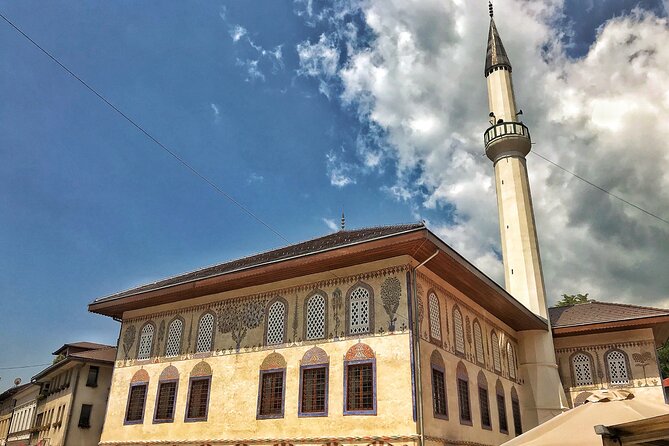
Then comes Sarena Džamija, the Colorful Mosque. It’s one of the standout religious sites in Bosnia and Herzegovina, and the time here is short but focused. This is a smart stop for a day trip because you get a memorable visual without sacrificing the rest of the day.
A practical tip for Travnik
Wear shoes you’re comfortable with for uneven historic streets. The time blocks are short at each stop, so you’ll want to move confidently and actually enjoy the details while you’re there.
Jajce Fortress: medieval walls, plus names tied to power
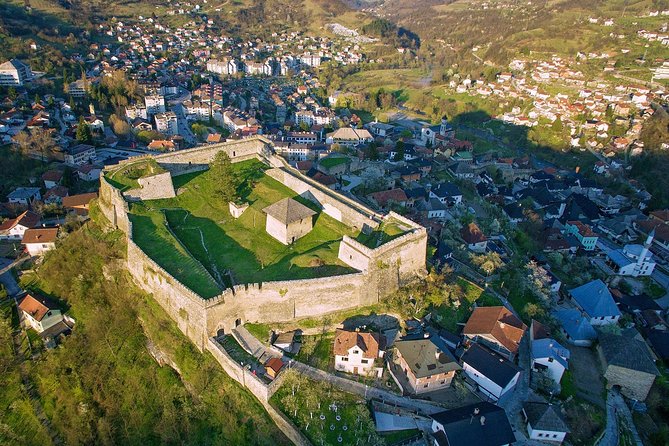
Next you head to Jajce and the Fortress of Jajce, sitting above the town at about 470 meters. The fortress complex dates back to the 13th century, but it’s not one single moment in time—it’s been built over several centuries, and it surrounds architectural remains of a mid-15th-century castle.
What makes this stop more than just a viewpoint is the specific historical framing: on the southwestern side, there’s a portal with the royal coat of arms tied to the reign of Tvrtko II and King Stjepan Tomašević. The details matter, because the site helps you picture how political power physically changed the shape of places.
Plan on about 30 minutes here. Entrance fee for the Fortress of Jajce is not included (EUR 5.00 per person), so if you like smooth planning, you’ll want to set aside cash or card buffer for that.
What to look for
Don’t just take the photo from the first convenient angle. Walk a little and try to line up the fortress setting with the town below—it makes the height and defensive logic feel obvious.
- Fall of Yugoslavia, Sarajevo War Tour with Tunnel of Hope Museum and Frontlines
★ 5.0 · 1,314 reviews
The Pliva Lakes moment: a quick view that sets the tone for the watermills
Between the fortress and the watermills, there’s time to enjoy a lovely view of the Pliva Lakes. Even if it’s brief, it works as a mental reset. You go from stone and heights to water sound and lake light, and the next stop makes a lot more sense afterward.
If you’ve ever wondered why watermills feel so charming in storybooks, this is where it clicks. The water is the “engine” of the whole area.
Mlincici watermills: those stilt huts tell a smart engineering story
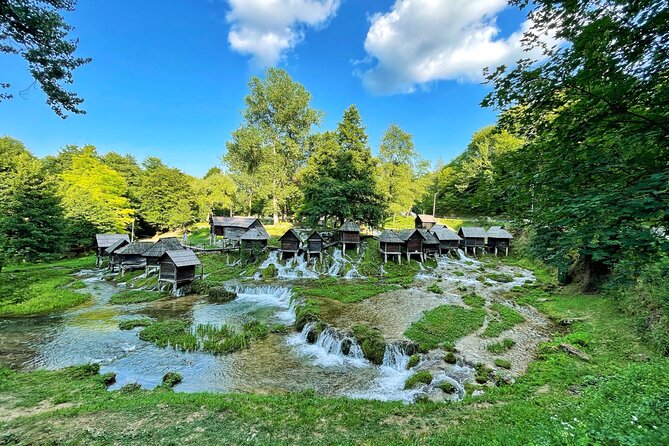
Mlincici are the small, windowless mill huts sitting on skinny stilts right over gushing water. The design is clever: instead of relying on one large water wheel, the flow is spread out and used through a series of smaller mills. The result is aggregated power from diffuse water energy.
Most of these huts date back to the Austro-Hungarian empire period (roughly 1867 to 1918). That timeline matters because it explains the mix of local water use with a more formalized industrial approach—without turning the place into something modern-looking.
You’ll have around 20 minutes here, and entrance is listed as free. In other words, you get a full-feeling stop without another ticket.
My best advice for Mlincici
Take a moment to listen. Watermills are visually pretty, but they’re also loud in a natural way. If you’re the type who enjoys details, the sound adds realism fast.
Pliva Waterfall: a centerpiece you can’t fake with photos
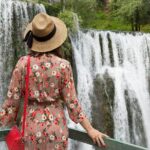
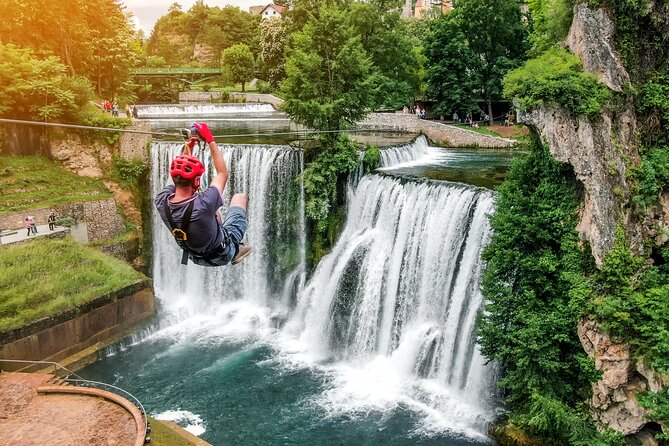
Pliva Waterfall is one of the most notable features of Jajce. It drops about 17 meters, and it’s in the center of town. It’s also described as one of twelve most beautiful waterfalls in the world, which is marketing language, but it lines up with why so many people remember this stop.
Entrance fee for Pliva Waterfall isn’t included (EUR 5.00 per person). You’ll have about 20 minutes at this stage, so treat it like your “slow down” break. Let your eyes adjust from fortress stone to moving water, and then take your time around the falls area rather than rushing to the first viewpoint.
What makes this stop worth the extra ticket
The waterfall isn’t isolated. It sits inside the town’s layout, which makes it feel integrated instead of like a random nature attraction outside the city.
Catacombs of Jajce: small, half-lit, and surprisingly specific
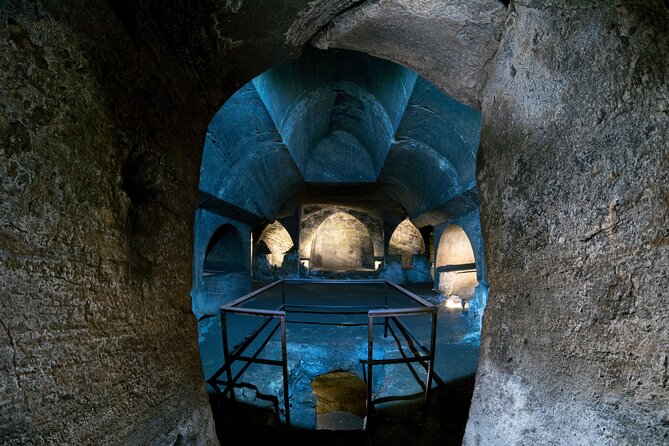
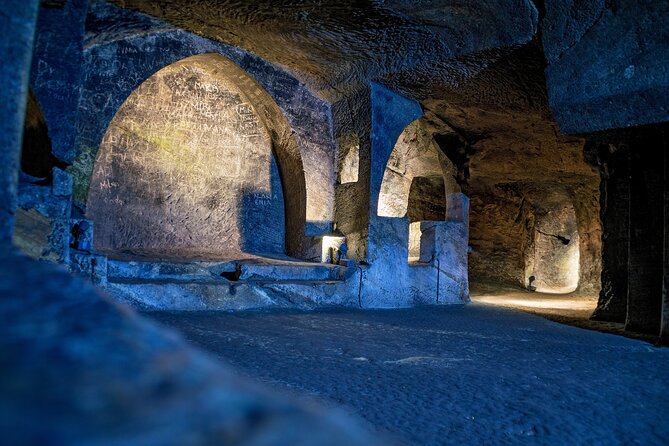
If you want something a little different from the water theme, the Catacomb of Jajce is a short walk with a strong story. This crypt was built around 1400 AD for the aristocratic Hrvatnić family. It’s a two-level crypt and it’s small with roughly hewn features, but the lighting and symbols make it memorable.
One of the highlights is the boldly sculpted motifs: a cross, sun, and crescent moon. Downstairs, those symbols are part of what makes this site notable. The information you’re given connects it to a rare surviving memorial to the independent Bosnian Church.
Time here is about 10 minutes. Entrance isn’t included, which means you’ll likely pay on-site if you want to go in (the tour lists it as not included).
How to enjoy the catacombs
Go in with curiosity, not speed. Since it’s short, the best approach is to look at the symbols first, then read the story you’re given by your guide so the place clicks into meaning quickly.
The guide factor: why this tour feels personal even when it’s a day trip
A good guide can turn a checklist into a story you understand. This tour has that reputation for a reason. Names that show up repeatedly in people’s experiences include Ismet, Alem, Hismet/Kismet, Sanad, Ahmed, Hannah, Jas, Amer, Hamza, Agan, and Adnan.
What stands out across those praises: guides explain the cultural and historic background in clear English, and they adjust to the group’s pace. Some drivers also add personality to the day—one account even described Faruk entertaining the group with singing and local music along the road. That’s not something you can schedule, but it tells you the vibe can be warm, not stiff.
What I think you’ll notice
The tone tends to feel like someone local is translating the place for you. Not just dates. Not just facts. A sense of how the regions connected, how faith and power showed up in buildings, and why the watermills look the way they do.
Price and value: what’s included, what to budget, and why it still works
The price is $84.69 per person, and that includes a lot of day-trip costs that add up fast if you DIY it. You get:
- Fuel surcharge
- Professional guide
- Hotel pick-up and hotel drop-off
- Bottled water
- Traditional Bosnian breakfast sandwich/pastry (with a vegetarian option)
- Mobile ticket
Then come the optional-but-important extras:
- Fortress of Jajce: EUR 5.00 per person
- Jajce Waterfall: EUR 5.00 per person
- Fortress of Travnik: EUR 2.00 per person
Lunch isn’t included, and private expenses are on you.
So is it good value? For me, yes—because the biggest cost drivers on these routes are transport and guiding. Here, you’re also getting breakfast, water, and a small group cap (max 8), which usually means you spend more time where it matters and less time waiting around.
My money-sense tip
If you prefer not to get stuck thinking about small charges at each stop, carry a little cash for entrance fees and plan to budget for lunch on your own.
Logistics you should plan around: it’s a 10–11 hour day
This is not a quick hop. Expect roughly 10 to 11 hours. That means a solid stretch in the van, especially between Sarajevo and Central Bosnia towns.
If you’re the type who gets restless in long rides, pack smart:
- Bring a snack or two (since lunch isn’t included)
- Carry water (you’ll get bottled water at the start, but having extra helps)
- Wear layers (mornings and afternoons can feel different)
The upside: the driving is part of the value. Someone else handles it, and you can focus on seeing the region and listening to your guide’s explanations instead of trying to read signage and route around.
Who this tour is best for (and who should skip it)
This fits best if:
- You’re spending more than a day in Sarajevo and want a real “Bosnia beyond the city” day
- You like a mix of town history and nature scenes
- You prefer small-group pacing (max 8) with English guidance
- You want the convenience of hotel pickup and drop-off
You might skip it if:
- You hate long days with lots of van time
- You don’t want to pay separate entrance fees at multiple stops
- You need lunch handled for you (it isn’t included)
Should you book this Sarajevo day trip?
If you’re choosing between doing nothing outside Sarajevo and using your time efficiently, I’d book it—especially because Travnik + Jajce + Pliva Lakes is a rare combo for one day. The biggest reason is not just the famous waterfall or pretty watermills. It’s how the guide work turns each place into a connected story, with plenty of time to actually look.
Do book if you want an organized, small-group day with strong guiding and flexible enjoyment at each stop. You’ll still need your own lunch plan and a little budget for entrances, but the rest feels handled.
If you tell me your travel dates and whether you’re more into history, nature, or both, I can suggest a best-fit order for your Sarajevo-area days.
You Might Also Enjoy


More Tours in Sarajevo
- Fall of Yugoslavia, Sarajevo War Tour with Tunnel of Hope Museum and Frontlines
★ 5.0 · 1,314 reviews

More Tour Reviews in Sarajevo
- Fall of Yugoslavia, Sarajevo War Tour with Tunnel of Hope Museum and Frontlines
★ 5.0 · 1,314 reviews