REVIEW · SARAJEVO
Sarajevo to Srebrenica: Genocide Study Tour with War Veteran
Book on Viator →Operated by Dream Balkans Travel · Bookable on Viator
This day hurts, then helps. It’s a long drive from Sarajevo into Eastern Bosnia, built around Srebrenica memorials and plain-spoken guidance that connects the wider Yugoslavia story to what happened here. You also get a comfortable, air-conditioned ride and a structured stop plan that keeps you from feeling lost in the middle of heavy material.
I especially like the way the day is taught through places that still hold the past, not just facts on a page. The museum at the former UN-linked battery factory, plus time in the memorial cemetery area, makes the learning feel concrete. I also appreciate the small-group format (up to 12) and the personal, human tone you get from guides like Adis and Ömer, who share their background alongside the history.
One consideration: you should be ready for an emotionally punishing topic, and the information load can feel like a lot in a single day. If you come in with zero context, it may take time to sort it all out.
In This Review
- Key things I’d plan for
- A 10-hour Sarajevo to Srebrenica study day: what you’re signing up for
- Morning at the meeting point: pickup, water, and a Bosnian sandwich start
- The drive through Eastern Bosnia: how the history lesson gets your bearings
- Battery factory museum: stepping into history at the site itself
- From memorial room to the cemetery and Potocari
- Lunch in Srebrenica: food helps, but the story lands too
- Comfort and group size: what up to 12 people changes
- What guides like Adis, Ibrahim, Ömer, and Edin do differently
- Is it good value at $82.84 per person?
- How to prepare for this day (so it lands, not crushes)
- Who this Sarajevo to Srebrenica tour is best for
- Should you book the Sarajevo to Srebrenica genocide study tour?
- FAQ
- How long is the Sarajevo to Srebrenica tour?
- What time does the tour start?
- Do you offer pickup from hotels or other locations?
- What language is the tour offered in?
- What’s included in the tour price?
- Are museum or memorial entrance tickets included?
- Is a vegetarian option available?
- Is cancellation free?
- Should you book this tour if you’re short on time?
Key things I’d plan for
- Small group size (max 12) keeps the day more personal and question-friendly
- Museum storytelling in a former battery factory adds real-world gravity to the history
- Potocari + the memorial cemetery help you see what remembrance looks like on the ground
- A guided focus on Yugoslavia’s fall gives you the big-picture timeline
- Bosnian sandwich + bottled water start the day with something simple and local
- Lunch in Srebrenica works because food options are limited in town
A 10-hour Sarajevo to Srebrenica study day: what you’re signing up for
This is not a casual sightseeing run. You’re traveling about 2.5 hours each way from Sarajevo into Eastern Bosnia, then spending the middle of the day inside remembrance spaces where the goal is understanding, not distraction.
What I like about this format is that it respects pacing. You get background first, then you move through the museum and memorial areas with time to absorb what you’re seeing. That matters because places like this can otherwise turn into a rushed checklist.
The mood will be heavy. Plan for quiet moments. Bring patience for your own emotions. This is the kind of day that can change how you look at Europe’s modern history.
You can also read our reviews of more tours and experiences in Sarajevo.
- Fall of Yugoslavia, Sarajevo War Tour with Tunnel of Hope Museum and Frontlines
★ 5.0 · 1,314 reviews

Morning at the meeting point: pickup, water, and a Bosnian sandwich start
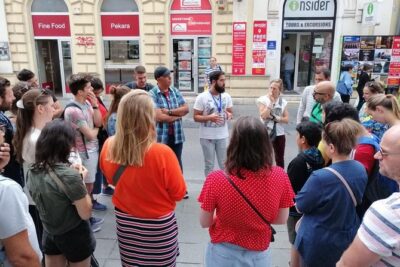
The tour starts at 8:00 a.m. near central Sarajevo. You’ll typically meet in front of the Info Bosnia Tourist Information Center on Ferhadija, right by the Sarajevo Meeting of Cultures landmark. The official start point is listed at Velika avlija Laure Papo Bahorete 2, and the operator says pickup can be arranged from your location in Sarajevo.
If you’re staying outside the Old Town, pickup is available, and if your accommodation is a private home (not a hotel), you’re asked to provide a Google Maps location. That detail matters because it cuts down on awkward street searching before a long day.
Early on, you’ll get a complimentary bottle of water and a traditional Bosnian sausage sandwich (with a vegetarian option available on request). It’s a small thing, but it’s smart: it keeps you fueled before the drive and before the first major museum experience.
The drive through Eastern Bosnia: how the history lesson gets your bearings
Once you leave Sarajevo, the road takes you through desolate, mountainous scenery in Eastern Bosnia. During that drive, the guide’s job is to help you build a timeline in your head, especially around the fall of Yugoslavia and how the chaos turned into catastrophe.
This part is more important than it sounds. When you arrive at Srebrenica, you don’t want your mind asking basics like What happened first? Who controlled what? and Why did the international response fail in practice? Instead, you’ll be better ready to understand the chain of decisions and breakdowns that led to the massacre.
You’ll also have time to ask questions while you’re still in transit. Many guides—including people such as Adis and Adnan (names that appear in guidance experiences)—are praised for answering even tough questions with respect and patience. That doesn’t erase the tragedy, but it helps you process it.
Battery factory museum: stepping into history at the site itself
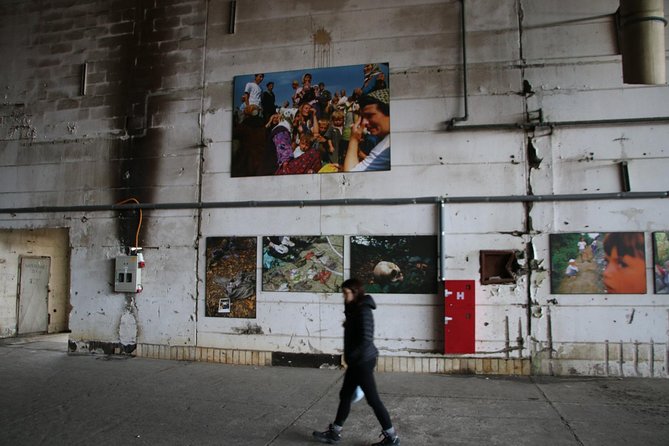
A key stop happens in front of a battery factory that was used by UN forces during the war in Bosnia. In the same area, the former Dutch battalion headquarters is now the Museum of Srebrenica Genocide, one of the modern museum setups in Bosnia and Herzegovina.
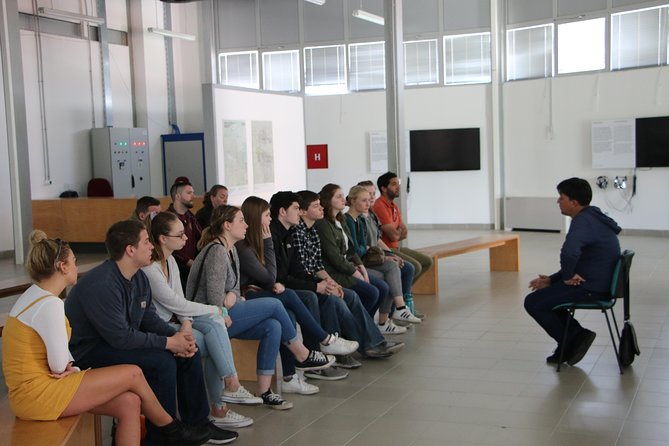
Here’s what makes this stop so valuable: you don’t only read labels. The museum experience includes multimedia elements (including selected films) and, in this tour format, you may meet the curator and hear story-based context directly from someone connected to the museum’s work.
Then you move into the memorial room, where the tone shifts from explanation to testimony. You can listen to victims’ stories made by a local journalist, and there’s also a section that addresses people responsible for the massacre. That balance can feel uncomfortable, but it keeps the presentation honest: it doesn’t turn the past into an abstract tragedy.
One practical note: museums like this reward slow attention. You’ll want a mental plan for your own pace—headphones off (if you use them) so you can follow audio tracks, and don’t try to multitask. If you do, you’ll miss details that connect the timeline to real lives.
From memorial room to the cemetery and Potocari
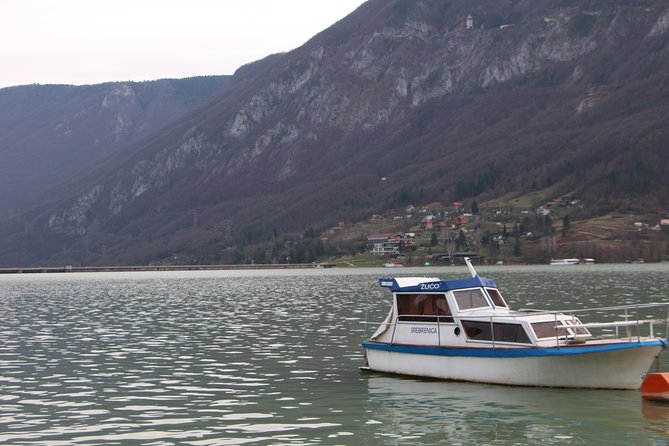
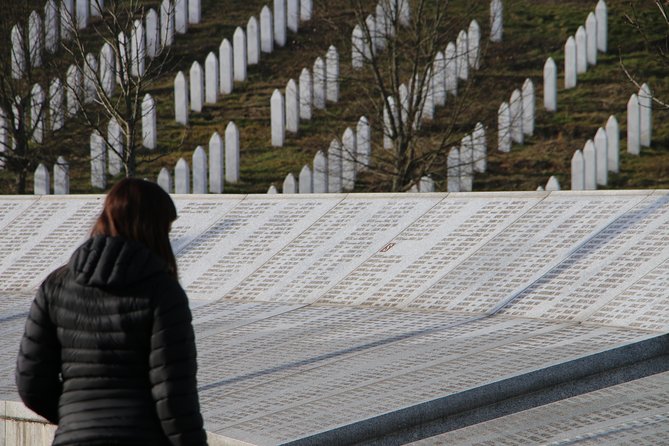
After the museum spaces, the tour shifts toward the remembrance sites, including a memorial cemetery where victims that were found and identified are resting. The cemetery currently counts 6,575 victims, and the number rises every year.
That detail is heavy, but it’s also grounding. It turns the story from a fixed number into an ongoing process of identification and remembrance. Seeing that in person is part of why this day study tour is so often described as humbling.
Next comes Potocari Memorial Centre. After visiting Potocari, you continue toward the city of Srebrenica. This sequence helps you move from evidence and testimony to how remembrance is organized in a living landscape, where the past still shapes everyday reality.
You’ll also see how Srebrenica itself can feel like a ghost town—a place where what’s missing becomes part of what you understand.
- Fall of Yugoslavia, Sarajevo War Tour with Tunnel of Hope Museum and Frontlines
★ 5.0 · 1,314 reviews

Lunch in Srebrenica: food helps, but the story lands too
Srebrenica isn’t set up like a tourist city with endless restaurant choices. That’s exactly why the tour includes food as part of the flow.
The tour highlights note a traditional Bosnian sausage sandwich served during the day, and the included items confirm you’ll receive the sandwich plus bottled water early. Reviews also describe a highlight lunch with a local family and a personal story shared at the meal, with one review specifically praising the cooking and another emphasizing the emotional weight of the conversation.
Because the provided details don’t spell out every step of lunch inclusion with the same precision across all days, I’d treat food planning like this: expect at least the sandwich as included, and plan on having lunch arranged on the Srebrenica side. If you have dietary needs beyond the vegetarian sandwich option, message the operator in advance so you’re not guessing.
In a day like this, food isn’t just fuel. It creates a human pause, and that pause is often where the mind can finally catch up to the facts.
Comfort and group size: what up to 12 people changes
This tour caps at 12 travelers, which you’ll feel immediately. It’s easier to hear your guide in a smaller vehicle, and it’s easier to ask questions without waiting your turn for long stretches.
The vehicle is described as air-conditioned, which matters on a day that can run close to 10 hours. You’re sitting for a long drive, then standing and walking through memorial spaces. Comfort helps you stay present rather than mentally checking out.
The start is 8:00 a.m., and the full day goes roughly 10 hours. That’s a lot. So the small-group format isn’t a luxury here—it’s part of how the tour keeps you oriented as emotions build.
What guides like Adis, Ibrahim, Ömer, and Edin do differently
A lot of Sarajevo guides can explain a war. Fewer can explain it with the extra layer of context people living nearby carry every day.
In the experiences shared, guides such as Adis, Ibrahim, Ömer, Edin, Danijela, Adnan, Kenan, and Yasimov appear repeatedly. The strong pattern is not just history facts; it’s the ability to connect Yugoslavia’s breakdown, the local dynamics, and the human consequences without sounding rehearsed.
Some guides are praised for personal storytelling and empathy. Others are praised for clear structure, humor that doesn’t trivialize the topic, and patience with difficult questions. That mix can make the material easier to hold in your head without turning the day into a lecture you shut off halfway through.
I also like that the tour encourages you to ask questions while you still have context from the drive and before the day becomes fully emotional. It’s easier to understand why things happened when you’re still building your timeline.
Is it good value at $82.84 per person?
At $82.84, you’re paying for a day that includes more than transport. The package includes:
- driver/tourist guide
- air-conditioned transport
- bottled water
- hotel pickup/drop-off when needed
- a traditional Bosnian sandwich (with vegetarian option on request)
- mobile ticket
- free admission for the key memorial/museum components listed
The value question really comes down to time and access. The drive between Sarajevo and Srebrenica is long, and the main memorial sites require attention and careful guidance. If you try to stitch this together alone, you’ll spend more time coordinating transportation, you might lose the structured background, and you could miss the added museum context that makes the visit more than visuals.
The only cost uncertainty to plan for is food beyond what’s clearly included. The tour lists food and drinks as not included unless specified, but the highlights and shared experiences point to food being part of the day. I’d treat the sandwich as your guaranteed included meal component and confirm what the lunch portion includes for your specific departure.
How to prepare for this day (so it lands, not crushes)
This tour is the right match when you want understanding, not just a solemn visit. To make it work for you, I’d do two simple things:
1) Get basic context before you go. Some people suggest light reading first because the timeline and terminology can feel like a lot once you’re inside. Even a basic outline of events can help you track what you’re hearing.
2) Plan your emotional pacing. Don’t stack another intense museum the next day. Give yourself time afterward to walk, eat, and let your mind settle.
Bring practical items too: comfortable shoes, a light layer (museums can vary), and any medication you need for long sits and emotional fatigue. The tour provides bottled water, but you’ll still want to carry your own basics.
And one small but important tip: put your phone away in the memorial areas. You can take notes instead. It’s slower, but it helps the day stay respectful and meaningful.
Who this Sarajevo to Srebrenica tour is best for
This day trip fits best if you:
- want the historical thread connecting Yugoslavia’s breakup to what happened in Srebrenica
- prefer guided context over guessing your way through memorial spaces
- like small-group learning with time for questions
- are ready for an emotional experience that treats memory seriously
You might want a different plan if you:
- want a lighter day with mostly sightseeing
- struggle with long, structured days that include standing and audio testimony
- aren’t ready for heavy material yet
This is also a good option for people who value firsthand or personally connected storytelling from guides who share their life and perspective alongside the documented history.
Should you book the Sarajevo to Srebrenica genocide study tour?
Book it if you’re traveling to Bosnia for real understanding, not just photos. The combination of context-building on the drive, museum focus at the former battery factory site, time at Potocari and the memorial cemetery, and the personal guidance from well-regarded guides makes it more than a visit—it’s a structured learning day.
Skip it (or pick a different format) if you want comfort over context. This is an intense experience. Done with the right mindset, though, it gives you a clearer picture of modern history and a deeper reason to remember.
FAQ
How long is the Sarajevo to Srebrenica tour?
It runs about 10 hours.
What time does the tour start?
The start time is 8:00 a.m.
Do you offer pickup from hotels or other locations?
Yes. Pickup is offered from all locations in Sarajevo. Hotel pickup is provided if you stay out of the Old Town, and for private homes you’ll need to share a Google Maps location.
What language is the tour offered in?
The tour is offered in English.
What’s included in the tour price?
Included are the driver/tour guide, transport by air-conditioned car/minivan, a traditional Bosnian sandwich (vegetarian option available on request), bottled water, and hotel pick-up/drop-off where required. The tour also provides a mobile ticket.
Are museum or memorial entrance tickets included?
Admission tickets are listed as free for the main memorial museum stop.
Is a vegetarian option available?
Yes. Vegetarian food is available on request for the sandwich.
Is cancellation free?
Yes. You can cancel up to 24 hours in advance for a full refund.
Should you book this tour if you’re short on time?
If you only have a day and want the most structured and guided Srebrenica experience, this is a strong choice. If you’re looking for a light day, choose something else—this one is intentionally heavy.
You Might Also Enjoy
More Tours in Sarajevo
- Fall of Yugoslavia, Sarajevo War Tour with Tunnel of Hope Museum and Frontlines
★ 5.0 · 1,314 reviews

More Tour Reviews in Sarajevo
- Fall of Yugoslavia, Sarajevo War Tour with Tunnel of Hope Museum and Frontlines
★ 5.0 · 1,314 reviews