REVIEW · SARAJEVO
COPPER HANDICRAFT WORKSHOP (Make your own souvenir from Sarajevo)
Book on Viator →Operated by Art and Tours Sarajevo · Bookable on Viator
Copperwork with a Sarajevo twist sounds simple. Then you watch real skills turn into a souvenir in your hands. I especially liked the small-group feel (max 5) and the hands-on workshop where you actually make a copper piece. A fair caution: it’s only about 1 to 2 hours and starts at 6:15 pm, so it’s not the best fit if you want a long, slow evening.
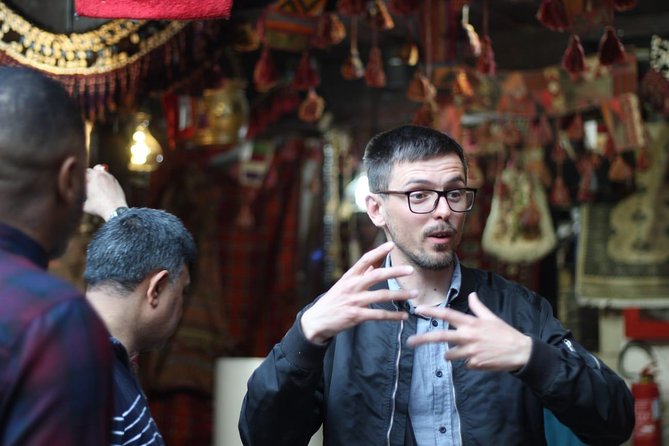
I also like how the tour sets up the craft before the workshop—Sebilj Fountain, Kazandžiluk, and Bascarsija all connect to why Sarajevo became known for metalwork. The guide team is local and friendly; in particular, Mak’s city-and-country storytelling is the kind that makes the sights feel like they belong to real people, not a script. One more practical consideration: the experience depends on good weather, so plan to be flexible.
In This Review
- Key things I’d circle before you book
- A Sarajevo souvenir you actually make
- 6:15 pm logistics for the old town loop
- Sebilj Fountain: where the story starts
- Kazandžiluk: the metalworker name you’ll remember
- Meeting of Culture: East and West in one spot
- Bascarsija workshop with the artisan: making the souvenir
- A teacher who stays patient
- The room details you’ll remember
- Coffee in Sarajevo: why it fits here
- Price and value: what $66.23 buys you
- What you’ll learn (and why it sticks)
- Who should book this workshop?
- What to expect on the ground
- Quick decision guide: should you book this?
- FAQ
- How long is the COPPER HANDICRAFT WORKSHOP experience?
- Where does the tour start and end?
- What time does it start?
- How many people are in the group?
- Is the tour offered in English?
- What souvenir will I make?
- Is coffee included?
- Is the tour appropriate for most people?
- Is weather a factor?
- What is the cancellation policy?
Key things I’d circle before you book
- Max 5 people means you get time with the artisan and the teacher, not just a quick look
- A real workshop outcome: you make a copper ornament (and you can choose designs like bracelets or rings)
- Old metalworker districts: you connect the dots from Ottoman-era production to today’s craft
- Sebilj Fountain and local legends: you get context fast, without a lecture marathon
- A classic Sarajevo coffee break that fits naturally into the walking pace
- English-guided for smooth explanations while you work
A Sarajevo souvenir you actually make
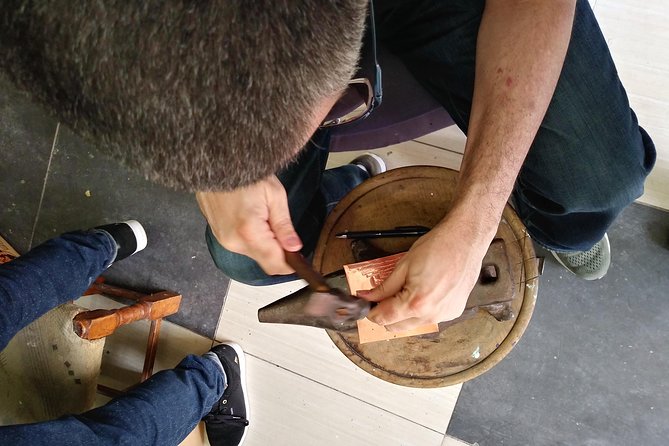
Most souvenir shopping is about picking from what someone else already finished. This is different. You’re watching (and then doing) copper craft in the style of an old family workshop, with a guide who keeps the pace friendly and the explanations practical.
The best part is that you don’t just leave with an object—you leave with a story you can explain later. That matters in places like Sarajevo, where history shows up in details: fountain stories, market names, and the mix of architectural influences. Here, those details aren’t stuck in a guidebook; they’re tied directly to the work you’re learning.
And since this is capped at 5 people, it doesn’t feel rushed. You get help when your hands are still figuring it out.
You can also read our reviews of more tours and experiences in Sarajevo
6:15 pm logistics for the old town loop
This experience is scheduled to start at 6:15 pm in the old town area. The meeting point is Đulagina 2, Sarajevo, and the tour ends near Sebilj and Baščaršija (SebiljBaščaršija 1).
That evening timing is a sweet spot. In warm months, the air is often more comfortable than midday walking. In cooler months, the walk is quick enough that you won’t spend hours exposed. Either way, it’s built for a compact evening rather than a full-day commitment.
The length is listed as about 1 to 2 hours, so think of it as a smart add-on to your Sarajevo evening plans. If you’re trying to pack a lot into a first day, this can work well. If you’re hoping for an all-immersion cultural day, you’ll probably want something longer.
Sebilj Fountain: where the story starts
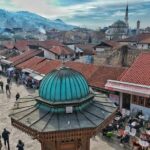
The tour kicks off at Sebilj Brunnen (Sebilj Fountain). It’s one of the clearest symbols of Sarajevo, built in 1753. There’s also a local legend tied to it: if you drink water from Sarajevo’s fountains and spouts, you’ll return to Sarajevo.
That myth is more than folklore. It’s a handy way to understand how Sarajevo treats public spaces—fountains, markets, and streets aren’t background scenery here. They’re part of the city’s identity.
What to watch for: the fountain area is a busy focal point. Even if you’re just passing through, it gives you a fast sense of where people gather and why the old town draws you in.
Small drawback to consider: because it’s a central icon, this stop can feel crowded. You’re not there long, but you’ll want to keep your expectations realistic if you’re sensitive to busier squares.
Kazandžiluk: the metalworker name you’ll remember
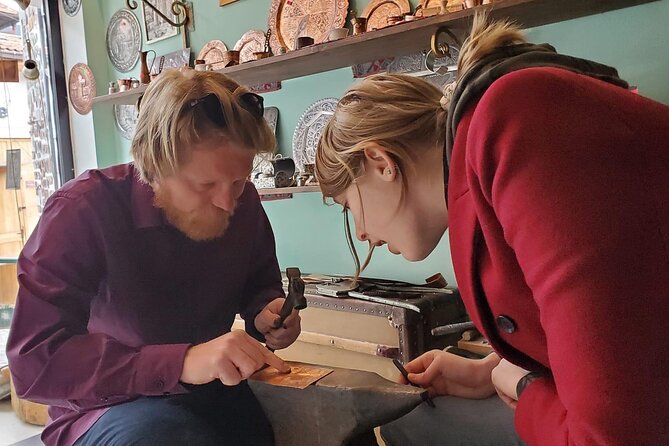
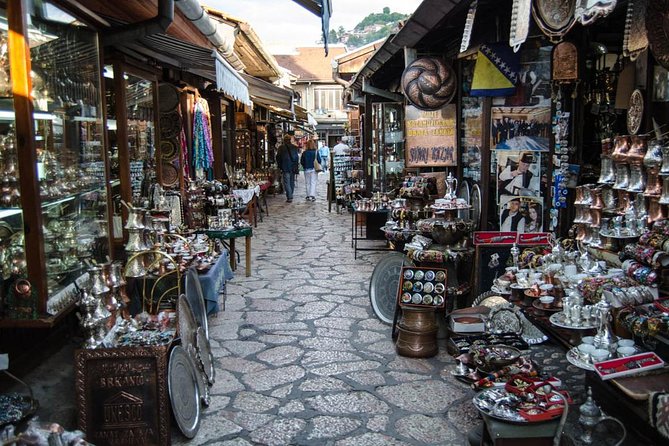
Next up is Kazandžiluk, a district name tied to the kazandžije, master metalworkers and coppersmiths. Historically, they began by producing kettles for the army. Later they moved into everyday copper goods—ewers, pitchers, coffee pots, metal table tops, trays, and more.
What I find compelling is how the tour connects craft to demand. The story isn’t just that people made beautiful things. It’s that Sarajevo’s metalworkers produced for real life, and at the height of Ottoman Sarajevo’s “Golden Age,” they made around a hundred different kinds of items.
That number sticks. It helps you understand why copper craft became so visible in daily life, not just in workshops for show.
Possible drawback: this stop is short (around 20 minutes), so it’s more of a quick orientation than a deep seminar. If you want a long, academic history lecture, you’ll need a different kind of tour.
Meeting of Culture: East and West in one spot
The tour also stops at a point called Sarajevo Meeting of Culture, where you can see an intersection of Eastern and Western architectural influences. It’s tied to why Sarajevo has earned the nickname Jerusalem of Europe.
Even if you’re not the type who stops to read every sign, this brief stop helps you “place” the city. You start seeing patterns: how empires, trade, and cultural exchange shape what you walk past every day.
Why it matters for the workshop: it’s not random sightseeing. You’re building context for why Sarajevo’s crafts developed the way they did and why the city’s marketplaces have always been more than just places to buy things.
- Fall of Yugoslavia, Sarajevo War Tour with Tunnel of Hope Museum and Frontlines
★ 5.0 · 1,314 reviews


Bascarsija workshop with the artisan: making the souvenir
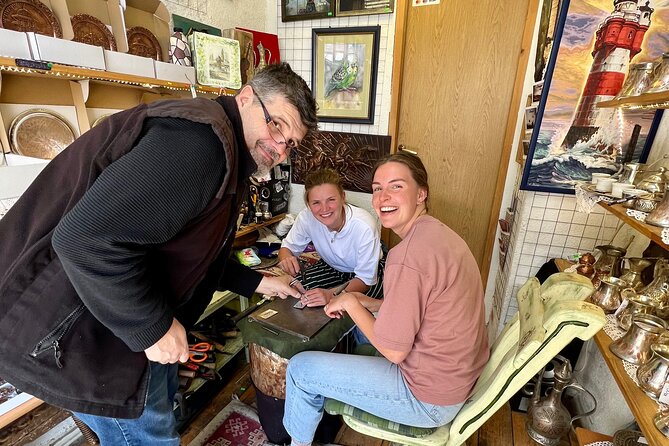
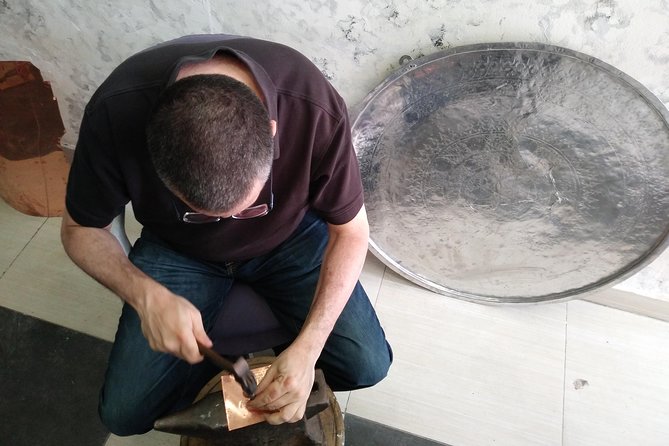
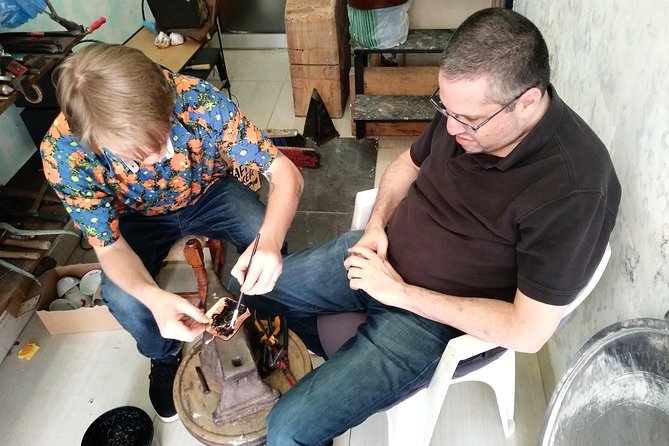
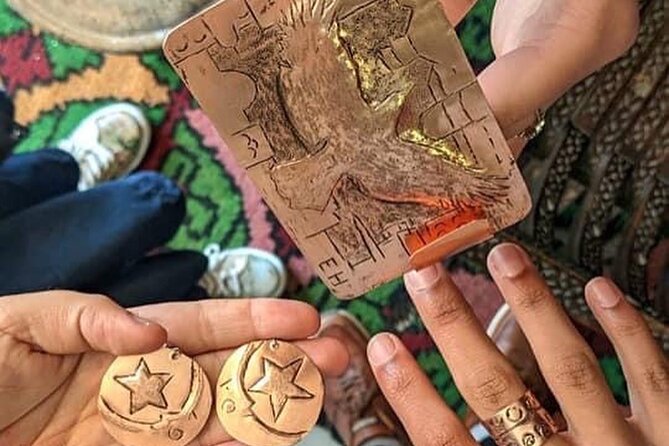
The heart of the experience is the workshop time in Bascarsija. You’ll meet the coopersmith artist in a shop setting that feels like part workshop, part family business, part local neighborhood scene.
From the guidance style (and the small-group size), the experience is designed so you can keep up. You’ll be introduced to a unique multi-generation craft background, then you’ll work together with the artisan to make your own copper souvenir ornament.
In the reviews, two specific outcomes show up again and again: people making bracelets and people making personal rings. Your project might not match every design someone else makes, but the key idea is that you’re not watching—you’re producing.
A teacher who stays patient
The workshop teacher is named Sulej. People describe him as extremely friendly and a good teacher, showing different coppersmithing techniques and helping them create their own piece by the end.
That matters because copper work can be fiddly at first. If the instruction is too fast or too vague, you end up frustrated, not proud. In this workshop, the tone is patient, and the pace is built around learning enough to finish your souvenir.
The room details you’ll remember
One small charming detail from the experience: the shop environment includes lots of cats, which turns the workshop into something more human and less staged. It sounds minor, but it contributes to the feeling that this is a working craft space, not a theatre set.
Practical note: because you’re making something by hand, it’s smart to wear clothes you’re comfortable possibly getting a little dusty. The tour includes a short walking component before the workshop, so plan your outfit accordingly.
Coffee in Sarajevo: why it fits here
You’ll also sip classic Sarajevo coffee during the experience. This isn’t just a random food stop thrown in for convenience. Coffee makes sense here because it slows the moment just enough for you to absorb what you’re learning—markets, names, and the city’s craft culture—before you do the hands-on part.
If you’re the type who likes to pause between activities, this is your chance. It also gives you a normal, local rhythm: work, chat, craft, repeat.
Price and value: what $66.23 buys you
At $66.23 per person, this sits in the mid-range for a guided craft experience. What you get for that price is the combination that usually costs more when separated:
- a short guided walk tied to craft context (not just a standalone workshop)
- English guidance
- time in an actual local shop/workshop
- the end product you make yourself (a copper ornament)
- a coffee break
The small-group limit (max 5) is part of the value too. It’s not just marketing; fewer people means more time for questions and adjustments.
If you’re Sarajevo-focused and you like tangible memories, it’s one of the better-value options. If you only want a quick look at artisan craft and you’re not interested in hands-on work, you might feel the price more than you expect—because this tour’s value is your finished souvenir.
What you’ll learn (and why it sticks)
The tour doesn’t frame copperwork as some mystical skill. It treats it like a set of techniques you can actually learn step by step. That’s reinforced by what Sulej teaches—different coppersmith techniques—so you understand what your hands are doing, not just what the finished object looks like.
Also, the tour’s context stops (Sebilj and Kazandžiluk) help you connect craft to place:
- Sebilj explains Sarajevo as a city where public symbols matter.
- Kazandžiluk explains Sarajevo as a place where metalwork supported everyday life at scale.
Then, the workshop ties it together in a personal way. That combination is why the experience lasts longer in your memory than a typical “see and leave” activity.
Who should book this workshop?
This is a great fit if you:
- want a souvenir that’s more meaningful than a magnet
- enjoy hands-on activities more than museum-style watching
- like Sarajevo’s old town but also want something practical to do with it
- travel with a group that won’t mind making something together
It’s also a good choice if you appreciate craft instruction and want a calmer, more personal setting. The vibe seems built for friendly conversation and real dialogue, not rushing people through.
You might skip it if:
- you’re not interested in making anything yourself
- you need a fully flexible long evening plan (the tour depends on good weather)
- you prefer quieter, less crowded sights, since Sebilj is a central hub
What to expect on the ground
Here’s what the flow feels like in practice: you start at Sebilj’s area, take a short walk through key old-town stops, and then spend the bulk of your time in the workshop making your copper piece. The whole experience is designed to fit into one evening without dragging.
You’ll likely spend a portion of your time listening and looking, then shifting to hands-on work. If you’ve never worked with metal before, don’t worry. The workshop is built around teaching and finishing your piece.
Also, the tour uses a mobile ticket, which is convenient if you’re already juggling maps, transit, and dinner reservations.
Quick decision guide: should you book this?
If you want an authentic Sarajevo memory you can hold—made by your own hands—this is worth booking. The best reasons are simple: you get context around Sarajevo’s copper craft, you meet the local craft people in Bascarsija, and you leave with a copper ornament you made yourself.
Choose it if your trip has room for a short evening activity starting at 6:15 pm and you’re okay with being flexible if weather affects the schedule. Skip it only if you’re not interested in learning a technique and making the souvenir.
If that sounds like you, go for it. This is the kind of experience that makes Sarajevo feel personal, fast.
FAQ
How long is the COPPER HANDICRAFT WORKSHOP experience?
It runs about 1 to 2 hours.
Where does the tour start and end?
It starts at Đulagina 2, Sarajevo 71000, and ends near SebiljBaščaršija 1 in Sarajevo.
What time does it start?
The start time listed is 6:15 pm.
How many people are in the group?
The maximum group size is 5 travelers.
Is the tour offered in English?
Yes, it’s offered in English.
What souvenir will I make?
You’ll create your own copper ornament from the Bascarsija workshop.
Is coffee included?
Yes, you’ll sip classic Sarajevo coffee as part of the experience.
Is the tour appropriate for most people?
Most travelers can participate.
Is weather a factor?
Yes. The experience requires good weather. If it’s canceled due to poor weather, you’ll be offered a different date or a full refund.
What is the cancellation policy?
You can cancel for a full refund up to 24 hours in advance of the experience start time.
You Might Also Enjoy

More Workshops & Classes in Sarajevo
More Tour Reviews in Sarajevo
- Fall of Yugoslavia, Sarajevo War Tour with Tunnel of Hope Museum and Frontlines
★ 5.0 · 1,314 reviews