REVIEW · MOSTAR
Traditional Bosnian Cooking Class in Mostar with Lunch and Drinks
Book on Viator →Operated by Explore Mostar Adventures · Bookable on Viator
A Bosnian cooking class in Mostar is food you make. You’ll learn real techniques, then sit down to a meal built from your own hands, with dolma and burek at the center of it. It’s part cooking lesson, part dinner plan, and it happens right in the heart of the old town.
I love that the class is truly hands-on: you knead, roll, wrap, and season instead of just watching. I also love the warm instructor energy from Amina, who’s patient and thorough, and who teaches step-by-step so you can actually feel what to do and why. The setting works too, because you’re using a commercial kitchen with the right tools and spices.
One possible drawback: there’s no hotel pickup, so you’ll want to plan your walk or short ride to Food House Mostar. And if you’re sensitive to alcohol, remember the welcome rakija and the meal drinks are tied to the tour’s standard setup, with a minimum drinking age of 18.
In This Review
- Key Highlights You’ll Actually Care About
- How the Class Works in Mostar (It’s Not Just a Meal)
- What You’ll Cook: Dolma, Burek-Style Pastry, and a Real 3-Course Plate
- Drinks and the Meal Setup
- Inside the Lesson: From Dough Rolling to Stuffing Techniques
- The Kitchen Environment Matters
- Eating What You Cook: A 3-Course Lunch or Dinner, Not a Token Bite
- Timing and Meeting Point: Food House Mostar (No Pickup, So Plan Ahead)
- What to Bring
- Price and Value: Why About $90.11 Can Feel Fair
- Who Should Book This (And Who Might Not Love It)
- Should You Book Food House Mostar’s Cooking Class?
- FAQ
- How long is the Bosnian cooking class in Mostar?
- What dishes will I learn to make and eat?
- Are drinks included?
- Where do I meet for the class?
- Do they pick up from hotels?
- Is the class offered in English?
- What are the age rules, and can I cancel for a refund?
Key Highlights You’ll Actually Care About
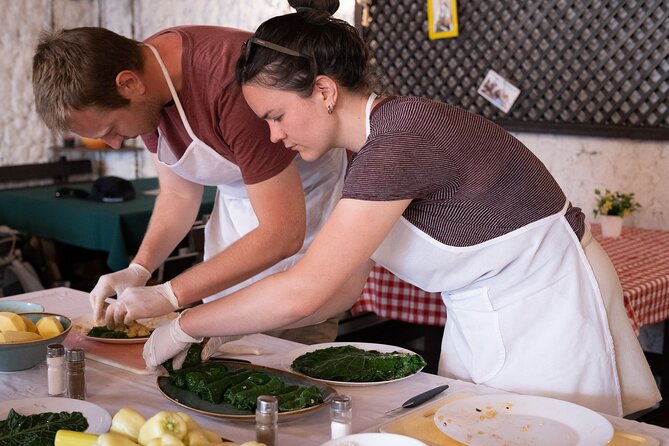
- Amina’s step-by-step teaching for dough, rolling, and stuffing techniques
- Hands-on Bosnian specialties like burek-style pastry and rolled dishes such as dolma/japrak
- A 3-course meal you eat after cooking, plus a rakija welcome drink
- Small-group feel (maximum 20) that keeps the lesson practical
- You can pack leftovers in at least some cases, so you’re not stuck with just a single meal
- English-led experience available, so you won’t be forced into a language-only kitchen
How the Class Works in Mostar (It’s Not Just a Meal)
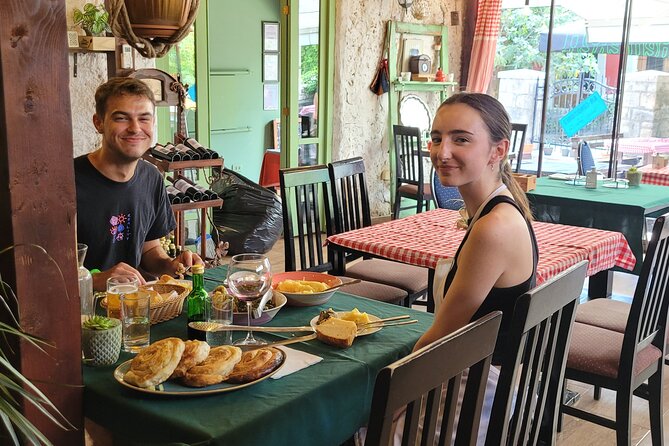
This experience is built around a simple rhythm: you arrive, you learn, you cook, you eat, then you wrap it up with a friendly farewell. Expect about 3 hours in total, and you can usually choose a morning or afternoon departure depending on what’s running.
The class starts at Food House Mostar, a spot that keeps things easy for finding your way in the old town. You’ll meet your English-speaking guide and get a quick orientation before you get into the real work: rolling dough, preparing fillings, and shaping dishes. Then comes the best part—eating what you made, rather than watching someone else plate it.
The tone is relaxed, not “serious chef bootcamp.” That matters because traditional Bosnian cooking rewards patience and repetition. If your first pastry sheet doesn’t look perfect, you still learn what to fix for the next round.
You can also read our reviews of more tours and experiences in Mostar.


What You’ll Cook: Dolma, Burek-Style Pastry, and a Real 3-Course Plate
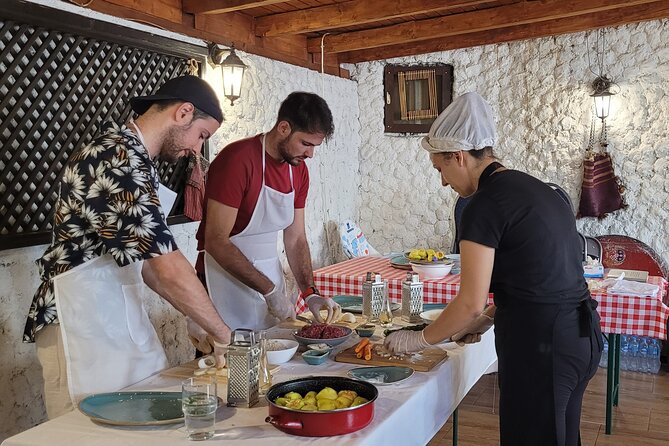
The menu is classic Bosnian comfort food, and it’s organized so you get both savory and sweet. While exact dishes can vary with the session, this is the core lineup you can look forward to.
You’ll typically start with a Bosnian mezze platter as the starter. Think of it as a spread that helps you learn the flavors of the region before you jump into cooking. It also gives you something to nibble on while the instructor explains steps.
For the mains, you’ll work on rolled or stuffed dishes like Japrak (stuffed leaves) and Dolma (stuffed vegetables). These are skill-building foods because they train you in portioning, folding, and consistent tightness—so you get even cooking rather than a few pieces that fall apart.
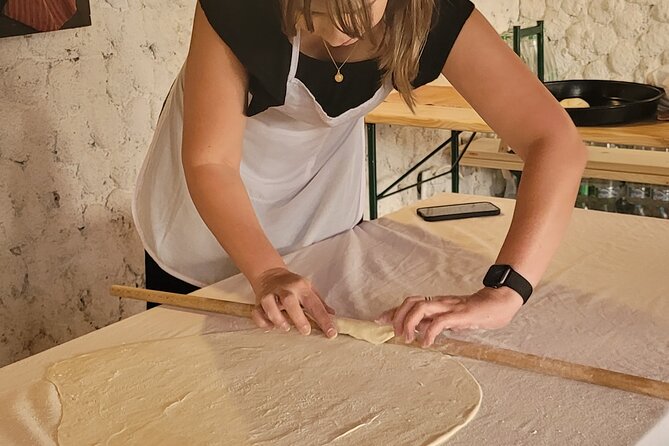
You’ll also learn techniques connected to burek, including the traditional way of working with pastry dough. One highlight from the class experience is learning to roll dough using a long, thin rolling pin method. It’s fiddly at first, but that’s the point: you leave with muscle memory, not just a recipe sheet.
Dessert often includes Hurmasice. This is the sweet finish that keeps the meal feeling complete, not like you stopped early after dinner got heavy.
Drinks and the Meal Setup
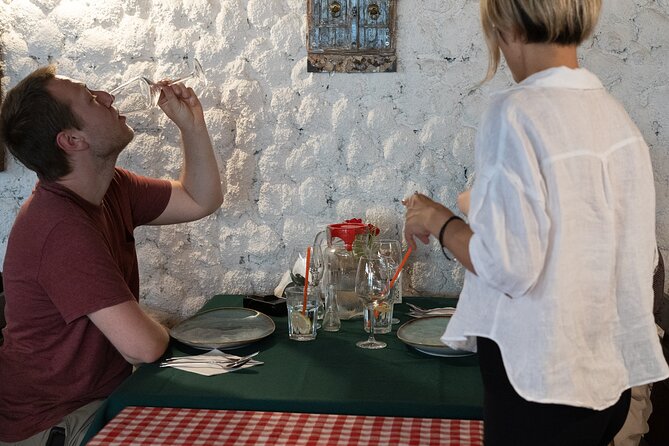
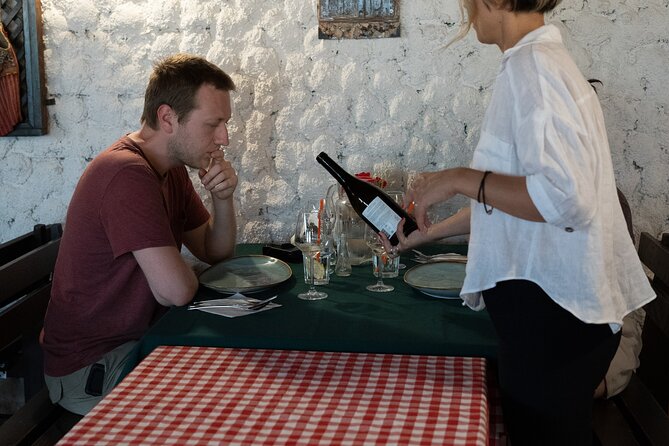
You get a rakija welcome drink on arrival. For the meal itself, the class includes local wine or beer with dinner/lunch. If you’re under 18, you can’t take the alcoholic drinks, so plan to enjoy the food focus instead.
If you’re curious about non-alcoholic options, one session also mentioned an elderberry drink as a favorite during the overall flow. Since only some details are consistent from person to person, treat extra drinks as a possible bonus rather than a guarantee.
Inside the Lesson: From Dough Rolling to Stuffing Techniques
This is where the class earns its reputation. The most praised part is that you don’t just learn the names of dishes—you practice the techniques that make them work.
In a typical session, Amina guides you through each step and then has you take over. You’ll likely work with dough and learn how to handle it so it stays manageable. One of the best “I can do this now” moments is rolling out the pastry the traditional way with that long, thin rolling pin. Even if you’re clumsy with dough at first, you’re taught how to adjust your pressure and keep the thickness even.
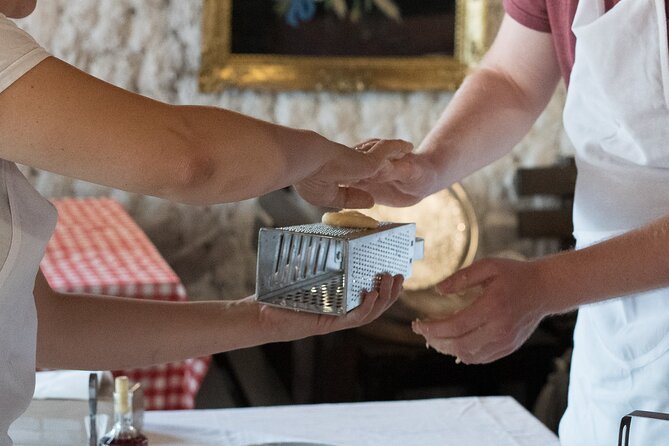
Then you move to fillings and shaping. Stuffing dishes like japrak and dolma are all about consistency. You’ll learn how much filling to use so rolls cook properly, and how to fold or wrap so the pieces don’t loosen. This is the kind of skill that sounds small until you try it—then you understand why the food tastes better when the pieces are uniform.
The class also nudges you to pay attention to seasoning. In practical terms, that means tasting and adjusting as you go, rather than dumping and hoping. If you’ve never cooked this style before, this is how you build confidence fast.
The Kitchen Environment Matters
You’re cooking in a commercial kitchen with the spice, tools, and ingredients you need. That’s a big value point because traditional classes often fall apart when tools are missing or the ingredients are generic. Here, the setup supports real execution, not just a demo.
Also, the group size is capped at 20, which keeps the kitchen moving at a human pace. With more space and time, you get more chances to redo a step if something isn’t right yet.


Eating What You Cook: A 3-Course Lunch or Dinner, Not a Token Bite
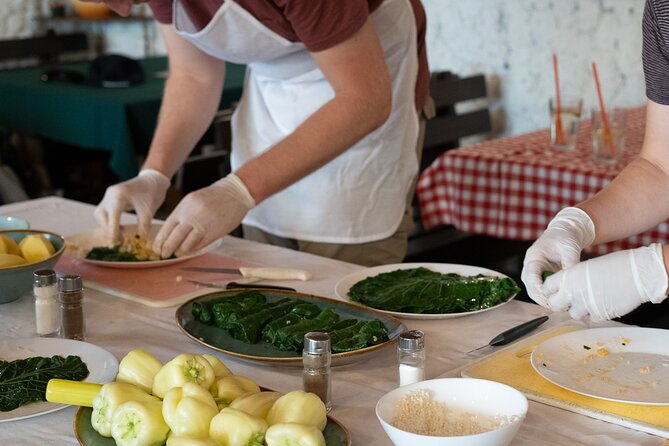
After the cooking lesson, you sit down to the meal you helped make. That’s the payoff. Most “cooking experiences” end with a plate in front of you; this one is designed so you eat as part of the process.
Your lunch or dinner is structured as three courses, and it mirrors what you worked on. You’ll start with the lighter starter, then move into the main dishes you shaped—like japrak/dolma—and finish with dessert such as hurmasice. It’s a full cycle, and it makes the hands-on work feel worthwhile immediately.
You’re also served drinks with the meal setup. Again, that includes local wine or beer with the dinner/lunch portion, while non-alcoholic options should be expected for anyone who can’t drink. If you’re bringing kids (minimum age is 9), the structure still fits, since you’re focused on learning food and taste more than alcohol.
One detail that can make this feel extra useful: leftovers may be packable in some sessions. That means you can turn your class into more than one meal, especially if your timing lines up with a slow day after you arrive.
Timing and Meeting Point: Food House Mostar (No Pickup, So Plan Ahead)
The meeting point is Food House Mostar, Rade Bitange 12, Mostar 88104. The activity ends back at the meeting point, so plan your route with that in mind.
Start time varies by departure slot. One listed start time is 5:00 pm, but the experience also offers morning options. Before you set out, sanity-check your confirmation for the exact start time you’re booked for. A mismatch can happen when people rely on outdated info, and arriving late can mean you miss early instruction.
There’s no hotel pickup or drop-off, so I’d treat this as a “meet you there” class. If your hotel is far from Old Town, factor in walking time (and don’t underestimate heat or hills).
What to Bring
Because you’ll be working in a kitchen, wear something you don’t mind getting a little flour or food on. Closed-toe shoes are a safe move. If you have dietary needs, you should send them at booking time so the kitchen can plan accordingly.
Price and Value: Why About $90.11 Can Feel Fair
At $90.11 per person for about 3 hours, this class isn’t cheap. But it’s also not just a “cute activity.” You’re paying for three things that add up fast in real life:
- Instruction that’s practical, from Amina, including hands-on practice with dough and stuffing.
- A real cooking setup, meaning tools and ingredients are included so you can execute the dishes correctly.
- A full 3-course meal and drinks, not just a small tasting.
If you compare it to paying separately for a guided food lesson plus a dinner plus drinks, the math starts to look more reasonable. Also, the class is capped at 20 people, which keeps the experience from feeling like mass production.
One more value angle: if you can pack leftovers, you effectively turn one class into an extra meal the next day. That’s a small detail, but it changes how you remember the price once you’re eating again later.
Who Should Book This (And Who Might Not Love It)
This is a great fit if you want hands-on Mostar food culture, not a quick tasting stop. If you like learning techniques—especially pastry rolling and stuffed vegetable skills—you’ll get more than satisfaction. You’ll take home methods you can repeat.
It also suits couples and friends, since the class can run for small numbers as long as the minimum booking requirement is met. Families with children age 9 and up can do well here too, since the format is focused on cooking and eating, not on nightlife.
Who might not love it? If you’re expecting a sightseeing-heavy tour, this is a cooking-first plan. It’s a great way to experience local food and culture, but it’s not built like a long walking tour around the city.
Finally, if you’re strict about alcohol, plan around the fact that the standard flow includes rakija welcome and meal drinks, with the minimum drinking age of 18.
Should You Book Food House Mostar’s Cooking Class?
If your goal is one memorable Mostar day built around food you actually make, I think this is a strong yes. The top praise makes sense: Amina teaches clearly, the pace stays manageable, and you leave with dishes you helped shape, plus the satisfaction of eating them right away.
I’d book it if you’re curious about Bosnian comfort foods and you want to learn the hands-on techniques behind burek-style pastry and dolma/japrak-type rolling. I’d hesitate only if you truly need hotel pickup or you want a mainly outdoor sightseeing experience.
If you book, do one simple thing: arrive at the correct meeting time, hungry, and ready to get your hands a little messy. That’s when the class turns from “nice meal” into a real skill you can carry home.
FAQ
How long is the Bosnian cooking class in Mostar?
It runs for about 3 hours.
What dishes will I learn to make and eat?
You can expect to cook Bosnian classics such as dolma and burek-style pastries, along with dishes like japrak and a dessert such as hurmasice, plus a starter mezze platter. The final 3-course meal includes what you cook.
Are drinks included?
Yes. You get a rakija welcome drink, and the 3-course lunch or dinner includes local wine or beer. Additional beverages are not included. The minimum drinking age is 18.
Where do I meet for the class?
The meeting point is Food House Mostar, Rade Bitange 12, Mostar 88104, Bosnia and Herzegovina. The activity ends back at the same meeting point.
Do they pick up from hotels?
No, hotel pickup and drop-off are not included.
Is the class offered in English?
Yes, it’s listed as offered in English.
What are the age rules, and can I cancel for a refund?
The minimum age is 9. The minimum drinking age is 18. You can cancel for a full refund up to 24 hours before the experience start time.