REVIEW · MOSTAR
Blagaj Tekija & Buna River Half-Day Tour from Mostar
Book on Viator →Operated by Fortuna Trade Tours Mostar d.o.o. · Bookable on Viator
A Dervish monastery meets the source of a wild river. This half-day outing pairs Mostar’s old-town walking with a trip to Blagaj Tekija and the Buna spring at Vrelo Bune, where the water bursts out of a limestone wall in bright turquoise. What I like most is the tight structure: you get real context from the guide, then you have time to slow down and look closely at what you’re seeing. Second, the tour includes the best “story + taste” combo, including rose juice at an Ottoman house, so it’s not just photos and exits. One drawback to plan for: it can feel busy at times, so if you prefer total quiet, you may want to arrive with a patient mindset and expect crowds in peak hours.
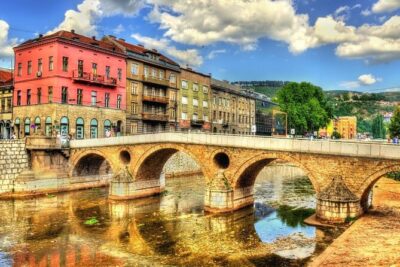
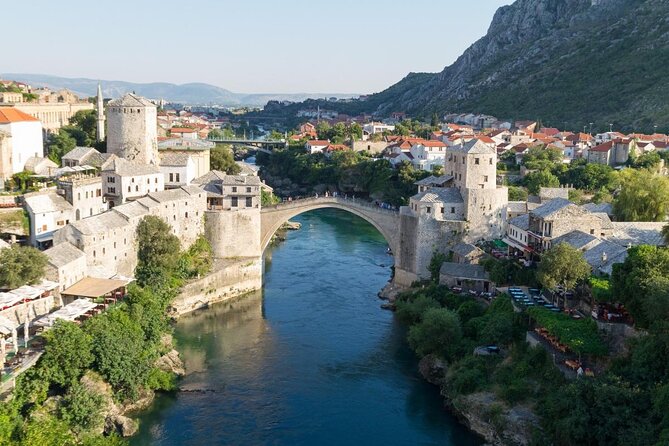
You’ll also get to admire Mostar’s rebuilt Stone Bridge while the guide sets the wider scene for why this region looks the way it does today. The group stays small (max 7), which helps the tour feel focused instead of herded. Still, since transportation isn’t included, you’ll need to sort your own ride to the meeting point at Španjolski trg and back.
In This Review
- Key highlights at a glance
- How This Half-Day Plan Works From Mostar
- The Mostar Context: Old Streets and the Rebuilt Stone Bridge
- Stop 1: Blagaj Tekija and Dervish Life in Plain Terms
- What you should pay attention to at the Tekija
- A Quick Ottoman House Stop: Rose Juice That Tells a Story
- Stop 2: Vrelo Bune (Buna Spring) and the Power of the Source
- How to make the 30 minutes count
- Mostar’s Stone Bridge Revisited: Why the Guide’s Timing Helps
- Guide Impact: Selmir and Armina Set the Bar High
- Price and Value: Is $72.09 Worth It?
- Timing, Pacing, and What You’ll Feel During the Tour
- Who This Tour Is Best For (and Who Might Prefer Another Plan)
- Should You Book the Blagaj Tekija & Buna River Half-Day Tour?
- FAQ
- How long is the Blagaj Tekija & Buna River half-day tour?
- Where does the tour start in Mostar?
- What time does the tour start?
- Is Blagaj Tekija admission included?
- Do I need to pay to visit the Buna spring (Vrelo Bune)?
- What’s included in the tour price?
- Is transportation included?
- Is the tour offered in English?
- What is the cancellation policy?
Key highlights at a glance
- Blagaj Tekija (16th-century Dervish monastery): Ottoman-era architecture paired with a dramatic natural setting
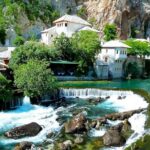
- Vrelo Bune spring (Buna source): strong karst spring water pouring from a cavern under a limestone wall
- Mostar old city + Stone Bridge views: quick orientation before and after the outside trip
- Rose juice stop at an Ottoman house: a simple local tasting tied to the place’s past
- Small group size (up to 7): easier questions, less waiting, more time per moment
How This Half-Day Plan Works From Mostar
This tour is designed to be doable even if your Mostar day is already packed. It runs about 2 to 3 hours, starts at 9:00 am, and returns you to the same meeting point in Mostar. That short duration matters: you get a concentrated dose of Blagaj and the Buna source without losing your whole morning (or afternoon).
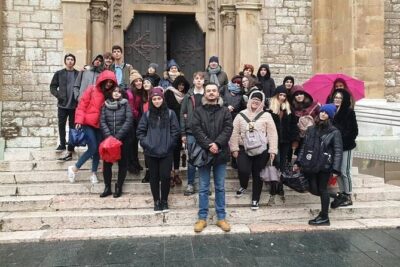
The tour also keeps logistics relatively simple. There’s a mobile ticket, and you’re meeting near public transport, which helps if you’re navigating without a car. The group is limited to 7 travelers, and that’s a big deal here: Blagaj Tekija and Vrelo Bune are popular, so smaller groups move more smoothly and feel more conversational.
One practical note: the tour includes the entrance fee to Blagaj Tekija, but transportation and lunch are not included. So think of this as a guided experience where you handle getting yourself to the start point and making your own food plan.
You can also read our reviews of more tours and experiences in Mostar.
The Mostar Context: Old Streets and the Rebuilt Stone Bridge
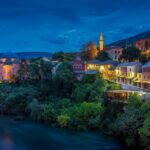
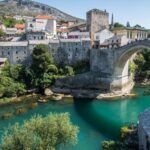
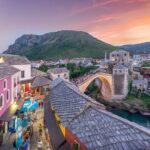
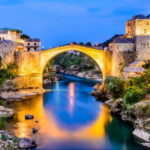
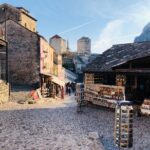
Before you head out to Blagaj, the guide helps you read Mostar instead of just walking through it. You’ll be strolling the scenic streets of the old city, and you’ll get a look at the rebuilt architecture of the Stone Bridge. Even if you’ve seen pictures, the bridge makes more sense once you understand what was rebuilt and why the city’s look is shaped by history.
This portion is valuable because it tunes your eyes for what comes next. In Bosnia and Herzegovina, a lot of places feel layered—Ottoman-era design, later European influences, and the scars of the 1990s. The guide’s job is to connect those dots in plain language, then let you see the evidence for yourself.
If your walking pace is modest, don’t stress. The plan is short and the guide sets the rhythm. Just wear shoes that can handle uneven old-street surfaces, because Mostar’s charm often comes with cobbles.
Stop 1: Blagaj Tekija and Dervish Life in Plain Terms
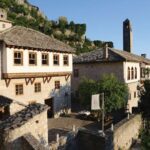
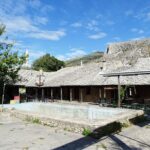
The main showpiece is Blagaj Tekija, a 16th-century Dervish monastery at the source area near Mostar. You’ll have about 45 minutes here, and the included admission fee means you’re not scrambling for tickets while you’re standing in front of something this striking.
What makes Blagaj Tekija special isn’t only the architecture. It’s the way the building and the water theme connect: a place of spiritual practice built in dialogue with a dramatic natural setting. Your guide’s interpretation is the difference between seeing old stones and understanding why they were important.
What you should pay attention to at the Tekija
- Ottoman-era design details: look for how the building relates to the surrounding water and cliff views
- The religious background: your guide explains what Dervish life means and why the site mattered
- How the guide links past to present: not in an abstract way, but tied to what you’re standing beside
At times the site can get busy, so you may not have endless quiet corners. Still, the guided explanation gives you a strong “mental map” fast, which is how you avoid the common problem of staring at something beautiful while missing the point.
A Quick Ottoman House Stop: Rose Juice That Tells a Story
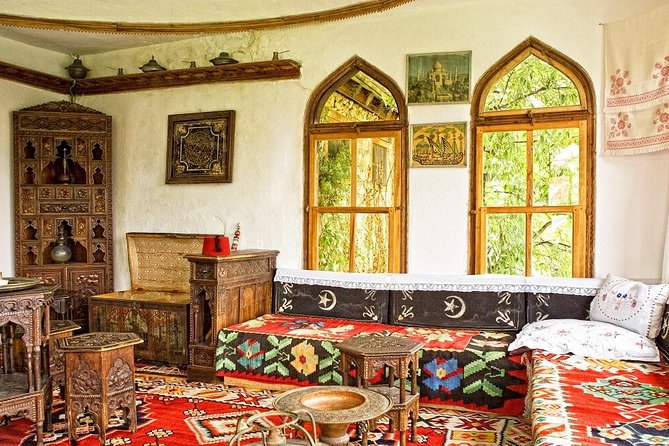
One of the most memorable highlights is the chance to sample rose juice at an Ottoman house. It’s brief, but it’s exactly the kind of stop that makes a tour feel local instead of generic.
Why it works: the taste connects you to daily life patterns linked to the Ottoman era—flavors, hospitality, and a sense of ceremony around refreshments. You don’t need a long lecture to get it; you just taste something recognizable and the guide provides the background while you’re there.
If you like simple food experiences you can actually repeat at home, this is a win. Even if you don’t become a rose-juice devotee, the stop gives you a human moment in the middle of architecture and nature.


Stop 2: Vrelo Bune (Buna Spring) and the Power of the Source
Next comes Vrelo Bune, the spring where the Buna River begins. You’ll spend about 30 minutes, and the admission is free. Expect the schedule to feel short—this place is best when you’re looking, not rushing through it.
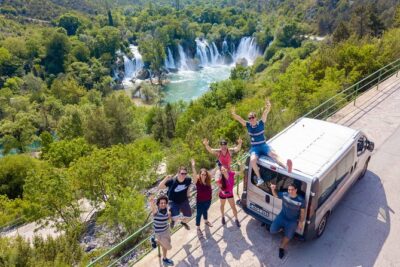
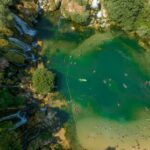
Here’s the core spectacle: water gushes from a cavern beneath a vertical limestone wall, forming the source of the Buna. The color tends to read as turquoise in good light, and the sound is part of the experience too. Even when you’ve seen photos, standing close to the flow changes your sense of scale.
How to make the 30 minutes count
- Pause for a full minute and watch the water’s movement
- Listen for how the sound changes as you shift position near the viewing points
- Take your photos, then look up again—water photos are easy; water presence takes a little longer
Because it’s a strong karst spring, it can be lively year-round. In some seasons the area may feel busier than others, so keep your expectations flexible. The good news: the time is planned so you get to experience the place even if it’s crowded.
Mostar’s Stone Bridge Revisited: Why the Guide’s Timing Helps
The tour’s structure ties the city to the outside scenery. You start with old-town context, then you go to the source of a river, then you return with a better understanding of how the region’s water, architecture, and history connect.
The Stone Bridge moment is a smart primer. It gives you a visual anchor in Mostar before the tour moves outward to Blagaj. Then, when you return, the rebuilt architecture doesn’t feel like a random landmark—it feels like a piece of the same story you just learned in the monastery and spring setting.
Guide Impact: Selmir and Armina Set the Bar High
This is the kind of tour where your guide makes or breaks the experience. Several guides are associated with this tour style, and names like Selmir and Armina show up in standout ways through the tone people describe.
What stands out in how they lead:
- clear explanations about Mostar’s history
- thoughtful commentary instead of a script
- humor that keeps the walking sections from dragging
- willingness to answer questions and adjust to the group
Selmir is described as gracious and thorough, with commentary that is both educational and reflective. Armina is also praised for being attentive and helpful, even when people get a little turned around. If you want a guide who treats the tour like more than a checklist, this kind of leadership matters a lot.
If you speak English, the tour is offered in English, which helps keep the explanations flowing without translation delays. For short tours, that clarity is worth real money.
Price and Value: Is $72.09 Worth It?
At $72.09 per person, this half-day tour isn’t the cheapest option—but it’s also not trying to compete with bargain group shuttles. The price makes sense when you look at what you’re getting:
What you pay for:
- a professional authorized guide
- entrance fee to Blagaj Tekija
- a structured route that includes the key places: Tekija, the Buna spring, and Mostar’s old-city focus
What you’re not paying for:
- transportation
- lunch
So the value question becomes: will you otherwise pay for a guided explanation and a monastery ticket separately? If you’re planning to see Blagaj Tekija anyway, the included admission helps. And because the group size is small (up to 7), you’re buying a more attentive experience rather than a crowded walk-through.
Also, the tour is booked about 13 days in advance on average. That hints at demand—and it’s usually a good sign when a tour sells because it delivers the main thing people want: meaning plus time to look.
Timing, Pacing, and What You’ll Feel During the Tour
The pacing is built for a short outing: about 45 minutes at Blagaj Tekija, then 30 minutes at the Buna spring, with walking and orientation in Mostar layered around those stops. For many people, that’s perfect. You won’t feel stuck in one place too long, and you also won’t miss the signature sights.
Still, if you’re the type who likes unstructured roaming, you might feel the clock. Busy times at popular spots can also compress how long you want to stand still and absorb the setting. The fix is simple: come with your priorities set. If you want the clearest Tekija explanations and spring views, focus on those first.
As for gear, this is an outdoors-plus-walking experience. Wear comfortable shoes and keep water handy, especially in warmer months. Nothing too fancy—just practical.
Who This Tour Is Best For (and Who Might Prefer Another Plan)
You’ll likely love this tour if you:
- want a fast, guided overview of Blagaj and the Buna spring from Mostar
- appreciate religious and historical context explained clearly
- like small groups where you can ask questions
- don’t want to spend a full day on transport and logistics
It may be less ideal if you:
- need long stretches of free time to wander without structure
- dislike crowds at popular natural sites
- want lunch provided and don’t want to think about it
Because transportation and lunch aren’t included, you’ll also want to plan those pieces yourself so the day stays smooth.
Should You Book the Blagaj Tekija & Buna River Half-Day Tour?
Yes—if you want the best “first hit” at Blagaj from Mostar, this is a smart booking. The combination of Blagaj Tekija (with included admission), the Vrelo Bune spring (free viewing time included), and Mostar’s old-city orientation is exactly what makes short tours valuable. You’re not just ticking boxes; you’re getting the story that makes the sights land.
If you’re sensitive to busier times, just go in with realistic expectations and use the guide’s timing to your advantage. And because transportation and lunch are on you, pair the tour with a simple plan before and after. When those two details are handled, you’ll come away feeling like you actually understood what you saw.
FAQ
How long is the Blagaj Tekija & Buna River half-day tour?
It lasts about 2 to 3 hours.
Where does the tour start in Mostar?
The meeting point is Španjolski trg 8RV4+CR6, Mostar 88000, Bosnia and Herzegovina, and it ends back at the same meeting point.
What time does the tour start?
The start time is 9:00 am.
Is Blagaj Tekija admission included?
Yes. The tour includes the entrance fee to Blagaj Tekija.
Do I need to pay to visit the Buna spring (Vrelo Bune)?
No. The River Buna Spring (Vrelo Bune) admission is free on the tour.
What’s included in the tour price?
Included are a professional authorized guide and the entrance fee to Blagaj Tekija.
Is transportation included?
No. Transportation isn’t included.
Is the tour offered in English?
Yes. The tour is offered in English.
What is the cancellation policy?
You can cancel for a full refund up to 24 hours before the experience’s start time. If you cancel less than 24 hours before, you won’t get a refund.