REVIEW · SARAJEVO
WAR TUNNEL – Sarajevo’s only way of a communication during the WAR – Top secret
Book on Viator →Operated by Meet Bosnia Travel · Bookable on Viator
Walk the tunnel Sarajevo used in war.
This tour turns the Siege of Sarajevo into something you can follow step by step, from the Markale marketplace to the Tunnel of Hope museum.
I love how direct the pacing is: a licensed guide walks you through the key spots, then lets you see the tunnel exhibits up close. I also like that it’s built for real questions, with guides named Aid, Adna, Eddie, and Amir standing out for clear explanations and personal, human details.
One thing to consider: the tunnel museum ticket costs extra (15 BAM), and the subject matter is heavy—this is history tied to mass violence and daily danger.
In This Review
- Key things I’d watch for
- Getting oriented with Meet Bosnia Tours in Sarajevo
- Markale marketplace: siege survival, then tragedy
- Sniper Alley: walking through the daily terror zone
- Sarajevo City Hall and the visible work of rebuilding
- Old town and Bascarsija: a popular return to the city
- The Tunnel of Hope museum: the 800-meter wartime lifeline
- Why the guides make the difference (Aid, Adna, Eddie, Amir)
- Price and value: what $30.10 really buys you
- Timing, group size, and how to plan your day
- Should you book the Sarajevo War Tunnel tour?
- FAQ
- How long is the Sarajevo War Tunnel tour?
- What’s included in the $30.10 price?
- Do I have to pay for the Tunnel of Hope museum ticket?
- Is hotel pickup and drop-off included?
- What language is the tour offered in?
- Can I get a full refund if I cancel?
Key things I’d watch for
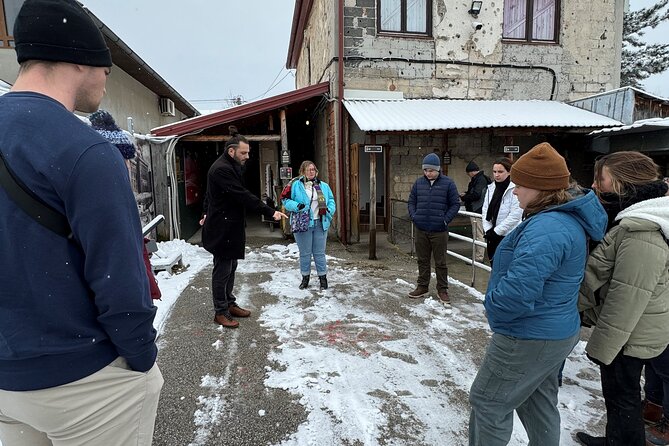
- Tunnel of Hope museum walk-through: The tunnel is 800 meters long and ran as the only wartime link during the four-year siege.
- Sniper Alley street stories: You’ll pass through the area described as Sarajevo’s most dangerous street during sniper fire.
- Markale marketplace context: This is framed as both a lifeline for supplies during the siege and a site of major massacres.
- City Hall rebuild symbolism: You’ll see Sarajevo’s rebuilt civic center as a visible post-war statement.
- Pickup + driver make it easy: Hotel pickup and drop-off are included, so you’re not stitching together transit on your own.
Getting oriented with Meet Bosnia Tours in Sarajevo
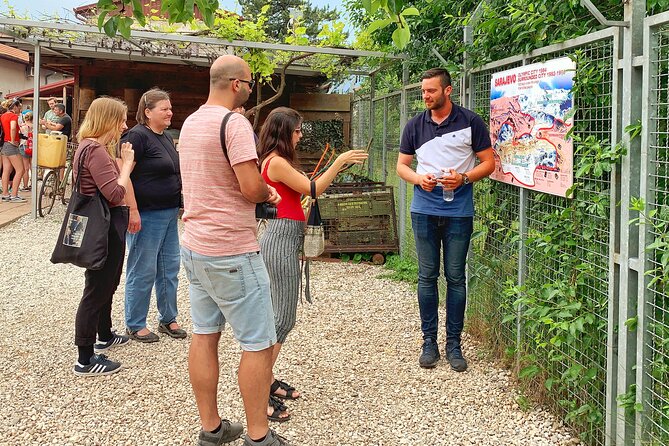
Your day starts with Meet Bosnia Travel at Gazi Husrev-begova 75. If you’re staying nearby, you may meet at the office; otherwise, you can get hotel pickup in a modern vehicle. Either way, it’s an easy start—no hunting for a meeting spot while you’re jet-lagged.
I like that the tour limits group size to up to 50 people. That isn’t tiny, but it’s small enough that a good guide can still keep the group together and answer questions without turning it into a lecture stream.
You’ll also have a mobile ticket, plus bottled water. Small touches like that matter here because you’ll spend time walking and listening outdoors, including the short street segments that set the scene for what comes next.
You can also read our reviews of more tours and experiences in Sarajevo.
- Fall of Yugoslavia, Sarajevo War Tour with Tunnel of Hope Museum and Frontlines
★ 5.0 · 1,314 reviews

Markale marketplace: siege survival, then tragedy
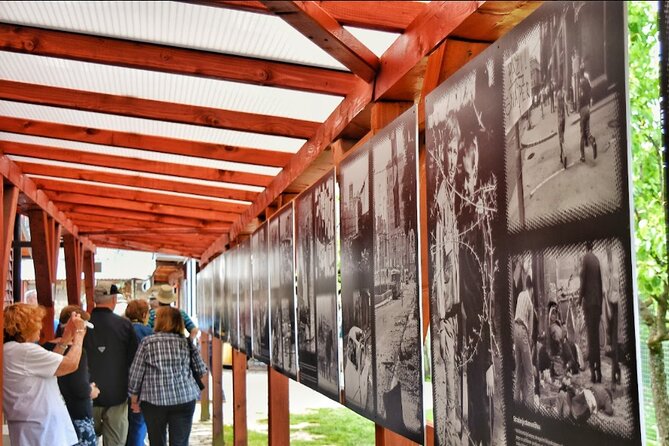
One of the first stops puts you at Markale marketplace, described as a place where Sarajevo residents could still find food and essentials during the siege. This part of the tour matters because it anchors the story in daily life—not just military headlines. You get the sense that even in a city under siege, people still had to eat, trade, and keep going.
The tour also doesn’t soften the darker side. Markale is presented as a focal point for two major massacres by the Army of Republika Srpska. That contrast—marketday basics beside catastrophe—can land hard. It’s the kind of context that makes later stops more than just grim exhibits. It shows what was at stake beyond maps and dates.
If you’re sensitive to intense topics, come prepared. This stop is short, but it carries weight.
Sniper Alley: walking through the daily terror zone
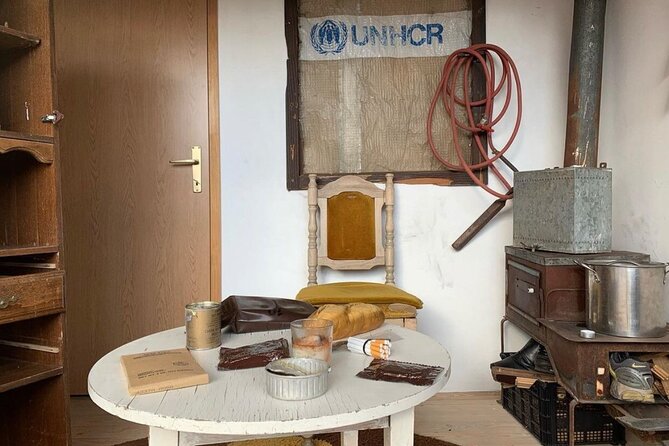
Next you pass through Sniper Alley, introduced as the most dangerous street in Sarajevo during the war, with snipers shooting there every day. The way the tour frames it is practical: you’re not just seeing buildings; you’re being taught how the area functioned under threat.
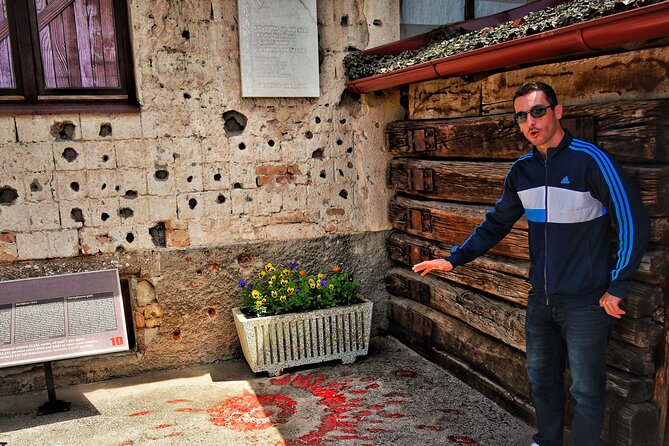
You’ll also notice Yugoslav-era buildings still marked by war damage. That’s one of those details that photographs don’t always communicate well. From the street, it’s easier to imagine what it means to move through a place knowing the danger is constant and nearby.
I like that the guide connects these streets to lived experience, using stories from that time so the physical setting feels connected to reality. It’s not about sensational drama. It’s about understanding why the city looked the way it did and how ordinary movement could become risky.
Sarajevo City Hall and the visible work of rebuilding
After the street segment, the tour includes Sarajevo City Hall. It’s presented as a must-see symbol for the city—rebuilt after it was completely damaged in the last Bosnian war.
This stop shifts the mood slightly. You’re still in the war timeline, but the focus moves toward post-war restoration. You can treat it like a checkpoint: after hearing about supply lines and daily danger, you start to see how Sarajevo reclaims civic identity.
Even if you’re not into architecture, it helps you understand how places rebuild their meaning. The tour uses this as a bridge between siege-era survival and the Sarajevo you walk through today—especially once you head back toward the old town.
Old town and Bascarsija: a popular return to the city
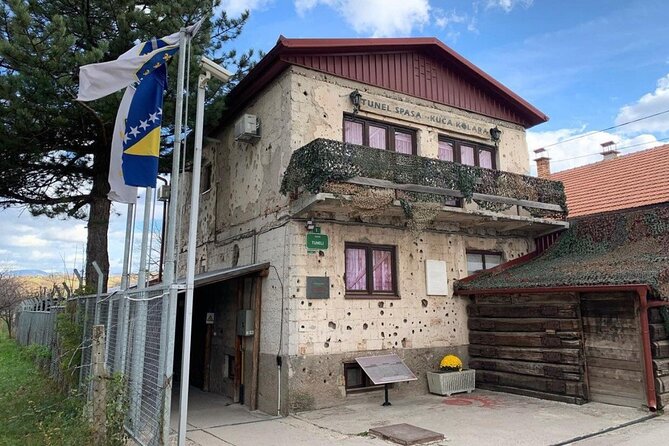
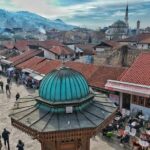
On the way back, you’ll pass Bascarsija and the Old Town—Sarajevo’s most popular area. This part doesn’t try to erase what you just learned. Instead, it gives you something to do with your brain after the heavy sections: you can look at the city’s everyday energy and feel the contrast more clearly.
It’s a good place to get your bearings. If you want to return later for dinner or a calm coffee break, this is where it makes sense to head after the tour ends.
- Fall of Yugoslavia, Sarajevo War Tour with Tunnel of Hope Museum and Frontlines
★ 5.0 · 1,314 reviews

The Tunnel of Hope museum: the 800-meter wartime lifeline
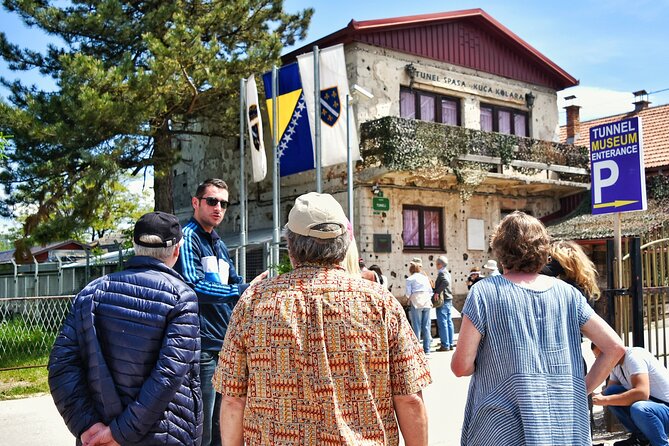
The heart of this experience is the Sarajevo War Tunnel, now operating as the Tunnel of Hope museum. The tour explains that it served as the only entrance to Sarajevo during the four-year siege. It was 800 meters long and was the only connection of the surrounded city to the outside world.
Walking through this space does something books can’t. It compresses the idea of connection into a tangible route. Even the structure of the tunnel forces your body to understand limitations—space, movement, and the feeling of being enclosed.
You’ll spend about 2 hours at the tunnel museum. That’s a meaningful chunk of time, and it’s long enough to look closely at exhibits rather than rushing through. For the practical-minded traveler, here’s the key: the tunnel ticket is not included. The entrance fee is listed as 15 BAM, so I’d factor that into your total budget.
If you’re short on time in Sarajevo, this is still the one stop I’d prioritize. The market and street stops set context, but the tunnel is where the siege becomes physical.
Why the guides make the difference (Aid, Adna, Eddie, Amir)
What people consistently praise in this kind of Sarajevo history tour is not just accuracy—it’s clarity and emotional honesty. This tour is led by licensed professional guides, and multiple guide names come up in feedback: Aid, Adna, Argan, Eddie, and Amir.
The common thread in those accounts is that guides explain the breakup of Yugoslavia and the siege of Sarajevo in a way that sticks. They don’t treat the war like a distant timeline. They bring it closer with personal and family-linked anecdotes and then tie those stories to what happened in specific places you’re seeing.
I also like that the guides are portrayed as courteous and willing to answer lots of questions. That matters because Sarajevo history is dense—politically, socially, and emotionally. When you can ask, you can leave with real understanding instead of just a list of stops.
Price and value: what $30.10 really buys you
The tour is priced at $30.10 per person, and you’ll typically see it booked about 16 days in advance. For what you get, the price feels reasonable because it includes real costs that are easy to forget when you only look at the ticket price.
Included in the price:
- Licensed tour guide
- Professional driver and a modern vehicle
- Hotel pickup and hotel drop-off
- Bottled water
- Mobile ticket
What’s not included:
- Tunnel of Hope museum entrance (15 BAM)
- Personal expenses
To judge value fairly, compare this to the cost of doing a similar route on your own: you’d still need local transport, you’d spend more time coordinating, and you wouldn’t get the guide-led context tying each stop to the siege story. Here, the guide covers the story thread while the driver handles logistics.
Duration runs about 1 hour 40 minutes to 2 hours 30 minutes, with the tunnel taking around 2 hours on its own. Plan your day around that. If you try to stack another big activity immediately after, you’ll likely feel rushed.
Timing, group size, and how to plan your day
The tour operates on weekdays during listed date ranges, with opening hours shown as Monday–Friday, 9:00 AM–5:30 PM across two seasonal periods. That’s a helpful clue for planning: if your trip includes weekends, you may need to adjust.
With a max of 50 travelers, you’re less likely to feel like you’re standing in a crowd while the guide speaks. Still, it’s not a private tour by default. If you want to ask lots of questions or want a slower pace, consider reserving earlier.
Also, you’ll be out for short outdoor segments—Markale area, Sniper Alley pass-by, City Hall, and Old Town. Comfortable shoes help, even if much of the tour is guided by vehicle movement between stops.
Should you book the Sarajevo War Tunnel tour?
If you want Sarajevo history that’s grounded in real places—not just museum panels—this tour is a strong pick. The Tunnel of Hope is the standout, and the surrounding stops (Markale, Sniper Alley, City Hall) help explain why the tunnel mattered so much.
Book it if:
- You want context for the Siege of Sarajevo, not only the tunnel itself
- You appreciate guides who explain with stories and clear answers
- You like tours that include pickup so you can focus on the experience
Skip or reconsider if:
- You prefer lighter, purely scenic sightseeing
- You’re not comfortable with topics tied to massacres and daily sniper danger
- You want a tour where all admissions are included in the base price (the tunnel ticket is extra)
FAQ
How long is the Sarajevo War Tunnel tour?
It runs approximately 1 hour 40 minutes to 2 hours 30 minutes. The Tunnel of Hope museum time is listed as 2 hours.
What’s included in the $30.10 price?
The tour includes a licensed tour guide, professional driver, modern vehicle, hotel pickup and drop-off, bottled water, and a mobile ticket.
Do I have to pay for the Tunnel of Hope museum ticket?
Yes. The Tunnel of Hope Museum entrance ticket is not included and is listed as 15 BAM.
Is hotel pickup and drop-off included?
Yes. Hotel pickup and hotel drop-off are included. If your pickup point is close to the agency, you may be asked to meet at the starting point.
What language is the tour offered in?
The tour is offered in English.
Can I get a full refund if I cancel?
Yes. Free cancellation is available if you cancel up to 24 hours in advance for a full refund.
You Might Also Enjoy
More Tour Reviews in Sarajevo
- Fall of Yugoslavia, Sarajevo War Tour with Tunnel of Hope Museum and Frontlines
★ 5.0 · 1,314 reviews