REVIEW · SARAJEVO
Bosnian Cooking Lessons
Book on Viator →Operated by INFO BOSNIA · Bookable on Viator
Hands-on Sarajevo food with wine and real skills. This Bosnian cooking lesson is a small-group, chef-guided session in a home setting, where you’ll learn classic dishes and then sit down to eat what you made. I especially like the hands-on pace (you’re rolling, filling, and shaping, not just watching) and the warm, personal guidance from Mersiha and Mustafa. One possible drawback: there’s no private transportation, so you’ll want your own plan for getting to Skendera Kulenovića.
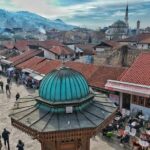
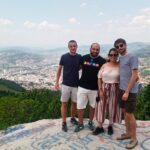
Before the apron goes on, you’ll arrive for a welcome drink (coffee or tea) and get a chance to meet your hosts with a panoramic view of Sarajevo. The biggest creative moment is later, when Burek dough needs patience and confidence. The lesson even leans into the idea that a couple of glasses of Herzegovina quality wine can help you relax and stay brave while stretching phyllo paper-thin.
In This Review
- Key things I’d mark on your Sarajevo food checklist
- Arriving at Skendera Kulenovića and getting oriented fast
- Part I: Sogan dolma, Japrak, and paprika dolma
- The Burek section: phyllo dough, stretching, and seasonal fillings
- Sharing the table: dinner, questions, and recipes you can actually use
- Wine, pacing, and the practical feel of a 4-hour class
- Price and value: $96.79 for a full menu lesson, dinner, and wine
- Who should book this (and who might skip it)
- Should you book Bosnian Cooking Lessons in Sarajevo?
- FAQ
- Where does the Bosnian cooking lesson start?
- What time does the class begin?
- How long is the cooking class?
- What dishes are included in the menu?
- What’s included in the price?
- Is wine included?
- Are vegetarian or vegan options available?
- Is transportation included?
- How big is the group?
- What is the cancellation policy?
Key things I’d mark on your Sarajevo food checklist
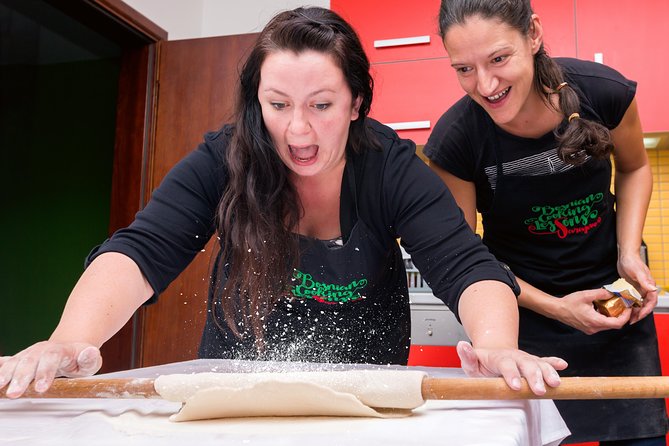
- Chef-led, home-style instruction so you learn technique, not just recipes
- Two-part menu with Sogan dolma, Japrak, paprika dolma, and Burek
- Wine plus soft drinks while you cook, plus dinner at the end
- Small group size (max 13) for more attention as your hands get involved
- Options for vegan and vegetarian diets available on request
Arriving at Skendera Kulenovića and getting oriented fast
This class starts at 2:30 pm in Sarajevo, with the meeting point at Skendera Kulenovića, 71000 Sarajevo. The activity ends back at the same meeting point, so you’re not left guessing your way out when you’re already hungry and carrying a recipe notebook in your head.
A practical detail I like: you start with a relaxed arrival ritual. You get a welcome drink (coffee or tea), you meet Mersiha, and you settle in with that panoramic Sarajevo view. That matters more than it sounds. Sarajevo can feel like a lot in a short time. This gives you a gentle on-ramp: city view first, then food.
Also, keep in mind this is a shared cooking class in a home setting. I think that’s a positive for most people, but it does mean the vibe is casual and communal. If you want a formal “big tour” feel, this won’t be that. It’ll feel more like joining a dinner party where you get to learn the main dishes.
Finally, about getting there: the listing says private transportation isn’t included. In the real world, that means you should plan to walk, taxi, or use local transit. One person noted the walk from the city centre was about 40 minutes uphill, and the return walk down offered great viewpoints. If you’re comfortable walking with some hills, you’ll likely enjoy the approach.
You can also read our reviews of more tours and experiences in Sarajevo.
- Fall of Yugoslavia, Sarajevo War Tour with Tunnel of Hope Museum and Frontlines
★ 5.0 · 1,314 reviews
Part I: Sogan dolma, Japrak, and paprika dolma
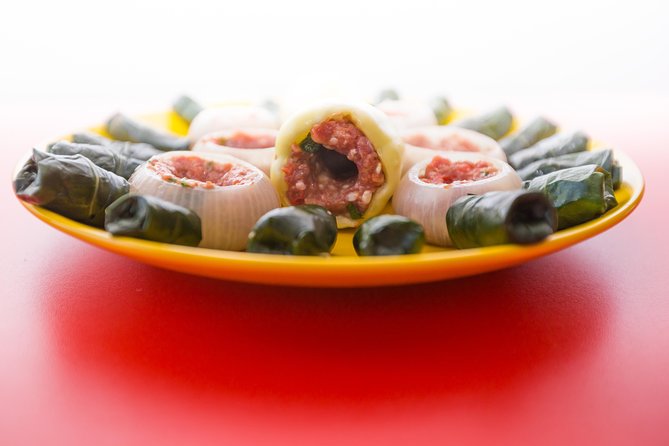
The lesson is built in two parts, and Part I is where you learn the core skill of Bosnian stuffed vegetables. Expect a chef guide teaching you how to prepare fillings and how to roll neatly enough that they cook evenly. You’ll be working with onion and greens first, then moving into peppers.
Here’s what you’ll make in Part I:
- Sogan dolma: onions filled with minced meat, rice, and spices
- Japrak (mangel/spinach leaves): rolled and filled with minced meat, rice, and spices
- Dolma (paprika-filled): paprika stuffed with minced meat, rice, and spices
Even if you’ve never rolled anything like this before, the goal isn’t perfection. The goal is technique and confidence. You’ll learn how to portion the filling so you don’t overstuff, and how to roll so it holds shape. That’s the kind of knowledge that turns a recipe into something you can repeat at home.
Why this section is worth your time: a lot of visitors eat dolma as a dish without learning how it’s made. Here, you see the structure. You learn what the filling should look like, how the roll should be tightened, and how ingredients behave under heat.
Dietary note: vegan and vegetarian options are available upon request. The menu shown here is meat and rice focused, so if you’re vegetarian or vegan, tell the team before you go. The lesson is designed to adapt, but you need to give them a heads-up.
The Burek section: phyllo dough, stretching, and seasonal fillings
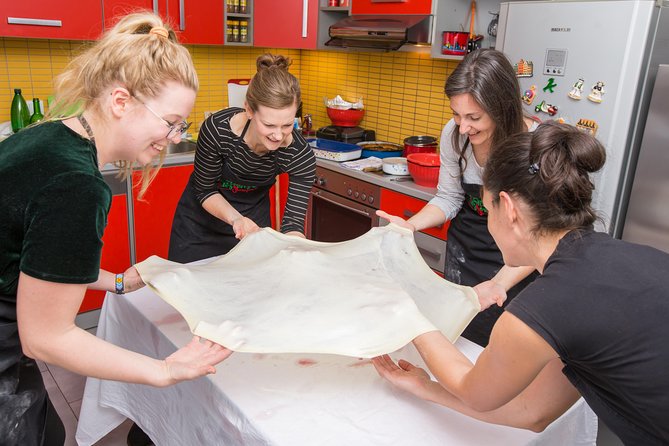
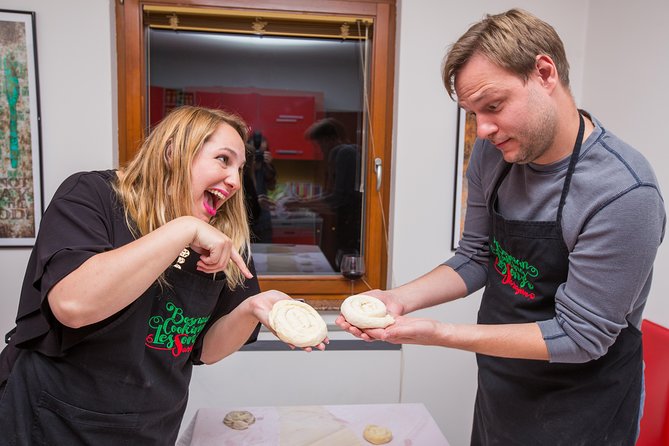
After Part I, you move into the most famous target: Burek. This is the “hands-on moment” many people come for, because Burek is where technique really shows. The lesson includes making phyllo dough, then rolling it with a filling.
The class describes filling choices as seasonal:
- potatoes, meat, or cheese, depending on the season
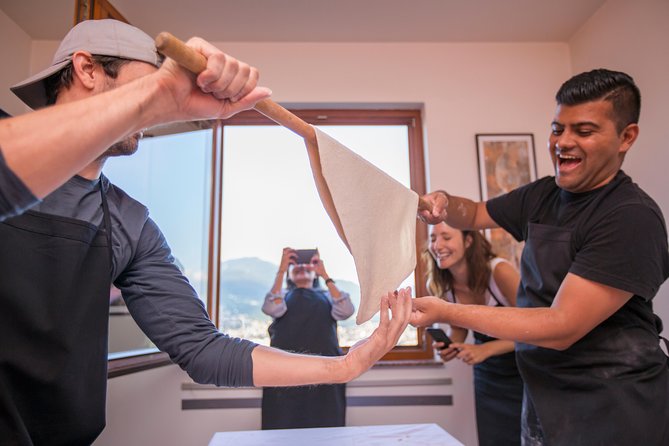
Now, here’s the part I find smart in how it’s taught. The lesson openly frames wine as part of the experience. To stretch dough for Burek, you need to be relaxed and brave. That doesn’t mean you’re racing the clock. It means your hands need calm control. Wine, plus the friendly atmosphere, is part of how the host helps you get there.
Important practical consideration: wine and alcoholic beverages are included. If you don’t drink, mention it beforehand if possible. The tour includes soft drinks as well, so you won’t be forced into alcohol, but you should plan to cook comfortably and safely.
What you’ll take away is more than just a finished burek. You’ll learn the logic of phyllo dough: thinness matters, and the motion matters. Once you see the dough change under your hands, it becomes much easier to reproduce later.
And yes, you’ll get feedback while you’re doing it. This is a small group (max 13), so the chef guide can correct your technique while you’re mid-action, not after everything is already baked.
Sharing the table: dinner, questions, and recipes you can actually use
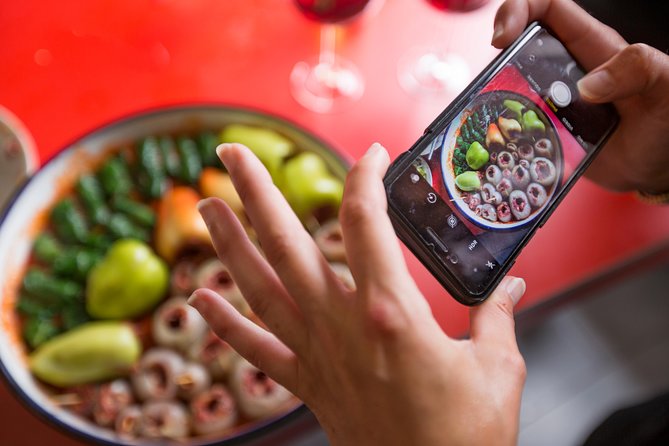
When the cooking wraps up, you eat what you helped make. The class includes dinner, plus coffee and/or tea, and alcoholic beverages. This is one of those experiences where the meal isn’t an afterthought. The food is the product of the work you just did.
After dinner, you also get time to ask questions. That time matters. Food is partly ingredients, partly cultural context and habits. If you want to know what spices to swap, how to store leftovers, or what makes the dough behave the way it does, this is where you ask.
One of the most useful details: people reported receiving recipes and step-by-step videos after the class. That’s big value if you want to cook again at home without guessing. A written list helps, but videos plus the technique you practiced make it far more repeatable.
Wine, pacing, and the practical feel of a 4-hour class
The class runs for about 4 hours. The pacing is structured so you’re never stuck waiting in one place. Part I keeps you busy with multiple rolls and fillings. Part II shifts to Burek dough and the stretching/rolling process. Then you finish with dinner and questions.
What I like about this pacing: it trains your attention. If you’re the type who gets distracted during long tours, cooking lessons can feel calmer because you’re doing something with your hands. You also leave with a clearer memory than you’d get from a photo-only experience.
There’s also something real about the group size. With up to 13 travelers, you’re not lost in the crowd. I expect you’ll feel more comfortable asking questions, and it’s easier to get guidance when your rolls aren’t as tight as you hoped.
The main “watch-outs” are the ones you’d expect from hands-on cooking:
- You should be ready to get messy. That’s the point.
- If you’re not used to cooking with dough, it helps to arrive with a relaxed mindset.
- Wine is part of the experience, so plan your day accordingly.
You can also read our reviews of more tours and experiences in Sarajevo
Price and value: $96.79 for a full menu lesson, dinner, and wine
At $96.79 per person for about 4 hours, this isn’t a bargain snack. It’s closer to paying for a full evening experience with instruction and meals built in.
What makes it feel like good value for the price:
- Multiple dishes taught in one sitting (not just one recipe)
- Chef-guided hands-on practice, including the Burek dough challenge
- Food and drinks included, including dinner and wine/soft drinks
- A small group (max 13), which supports real coaching
- Take-home materials (recipes and step-by-step videos reported)
Compared to eating out, you’re paying for learning. Compared to a generic tour, you’re paying for something you’ll carry back to your kitchen. If you’re the kind of traveler who remembers food by how to make it, you’ll likely feel the value quickly.
Who should book this (and who might skip it)
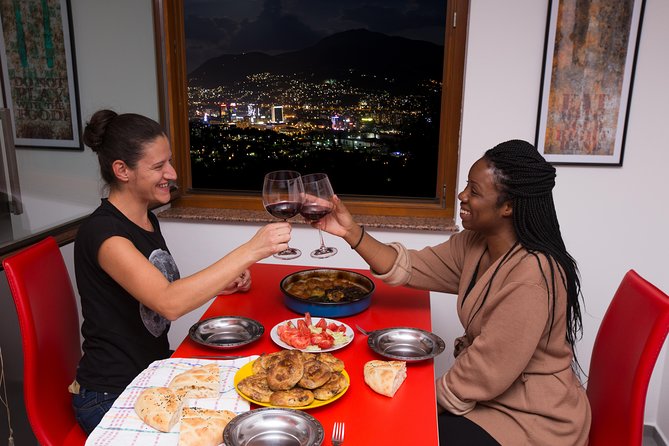
This lesson is a great fit if you:
- want a hands-on cultural experience in Sarajevo
- like cooking classes where you can recreate dishes at home
- enjoy small-group interactions with local hosts like Mersiha and Mustafa
- want classic Bosnian comfort food plus a side of storytelling
You might skip it if you:
- prefer quiet, observational activities only
- strongly avoid alcohol and you don’t want wine involved at all (you’ll want to clarify this)
- want transportation included end-to-end (it’s not provided as private transportation)
Should you book Bosnian Cooking Lessons in Sarajevo?
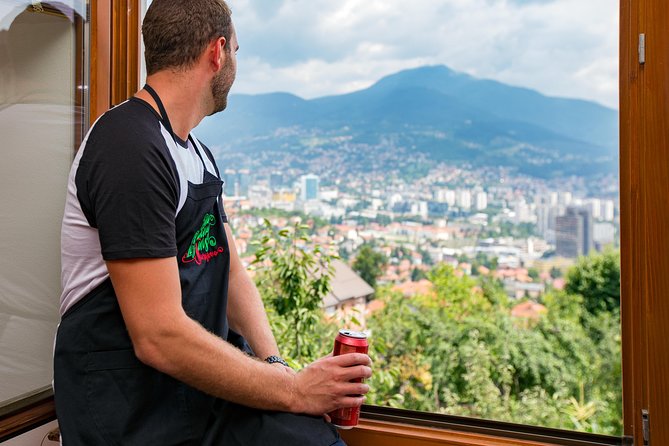
If you want more than a meal, book it. This is one of those experiences where you leave with practical skills: rolling stuffed dishes, working with phyllo dough, and understanding the structure behind Bosnian favorites. The home setting, the small group size, and the inclusion of wine/soft drinks make it feel like a true evening with local hosts, not a rushed “look then leave” activity.
My advice is simple: if you can handle hills to get there and you’re willing to get your hands a little messy, this is a smart use of a Sarajevo afternoon. You’ll eat well, you’ll learn a lot, and you’ll have something real to cook again later.
FAQ
Where does the Bosnian cooking lesson start?
It starts at Skendera Kulenovića, 71000 Sarajevo, Bosnia and Herzegovina, and it ends back at the same meeting point.
What time does the class begin?
The start time is 2:30 pm.
How long is the cooking class?
It runs for about 4 hours.
What dishes are included in the menu?
You’ll make Sogan dolma (onion dolma), Japrak (rolled spinach/mangel leaves), paprika dolma, and Burek with a filling that may be potatoes, meat, or cheese depending on the season.
What’s included in the price?
The price includes dinner, coffee and/or tea, and alcoholic beverages.
Is wine included?
Yes. The experience includes wine and soft drinks served as you learn.
Are vegetarian or vegan options available?
Yes. Vegan and vegetarian options are available upon request.
Is transportation included?
Private transportation is not included.
How big is the group?
The class has a maximum of 13 travelers.
What is the cancellation policy?
There is free cancellation. You can cancel up to 24 hours in advance for a full refund. If you cancel less than 24 hours before the start time, the amount paid is not refunded.
You Might Also Enjoy
More Workshops & Classes in Sarajevo
More Tour Reviews in Sarajevo
- Fall of Yugoslavia, Sarajevo War Tour with Tunnel of Hope Museum and Frontlines
★ 5.0 · 1,314 reviews