REVIEW · SARAJEVO
Sensational Sarajevo Sunset Walking Tour
Book on Viator →Operated by TT Tours · Bookable on Viator
Sarajevo hits different at sunset. I like this tour because it gives you a clear route through Sarajevo’s Old Town while slowing down for the stories that usually get missed. You also get Bosnian coffee and tea included, which makes the walk feel like more than just passing monuments.
The second thing I love is how the tour connects sites to turning points: WWI-era events at Latin Bridge, plus Ottoman-era trade and daily life at Baščaršija and Morica Han. One drawback to consider: it’s a walking tour, and like most Old Town routes, it can feel like a lot of stopping and standing in a short time if the weather turns wet or cold.
In This Review
- Key Things I’d Put on Your Radar
- A 5:00 pm Sunset Walk That Actually Helps You See the City
- Latin Bridge: Where the World War Story Starts (and Why It Sticks)
- St. Anthony of Padua and the St. Francis Thread in Bosnia
- Sarajevo City Hall: Architecture You Can Read, Not Just Look At
- Kazandžiluk (Coppersmith Street): Craft Tradition Meets Real Food Talk
- Baščaršija and Pigeon Square: Ottoman-Era Life in the Middle of Town
- Morica Han Caravanserai: Trade Routes and Ottoman Hospitality
- Price, Group Size, and Whether This Feels Like Value
- Getting the Most Out of the Walk (and Avoiding Common Frustrations)
- Should You Book This Sarajevo Sunset Walking Tour?
- FAQ
- Where does the Sarajevo Sunset Walking Tour start?
- What time does the tour begin?
- How long is the tour?
- What is included in the price?
- Are there any entrance tickets you need to pay for the stops?
- How big is the group?
- Can I upgrade to a private tour?
- Is confirmation provided at booking?
Key Things I’d Put on Your Radar
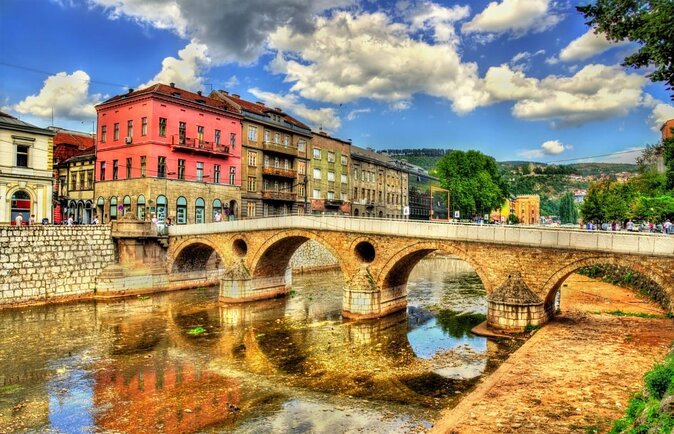
- Latin Bridge history tied to the start of WWI so you understand why Sarajevo matters beyond the postcard view
- Coffee and food guidance around Kazandžiluk and Baščaršija, not just photo stops
- Old Town sights grouped logically (you don’t waste time figuring out navigation on your own)
- Sarajevo City Hall stories about building, destruction, and revival, plus tips for looking toward the hills
- Morica Han caravanserai with trade-route context and what Ottoman-era hospitality looked like in practice
- Small group size (max 20) that keeps the pace comfortable for questions
A 5:00 pm Sunset Walk That Actually Helps You See the City
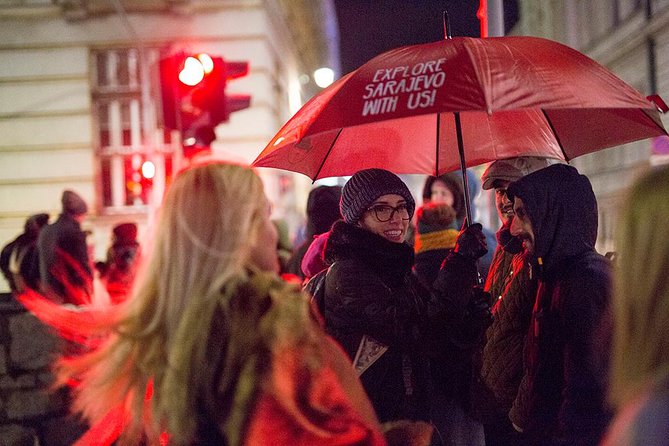
Starting at 5:00 pm, this tour hits that sweet spot when the Old Town begins to cool off and the light changes on stone, metalwork, and shopfronts. That matters in Sarajevo, because much of the impact here is visual: bridges, towers, fountains, and the way buildings sit close together on older streets.
The route is also practical for time-short travelers. You’re not trying to “do everything” around town. Instead, you get a focused loop that takes you to the main landmarks and the market streets where daily life has been going on for centuries. With a 3-hour duration, you can still plan dinner afterward without feeling like you lost your whole evening.
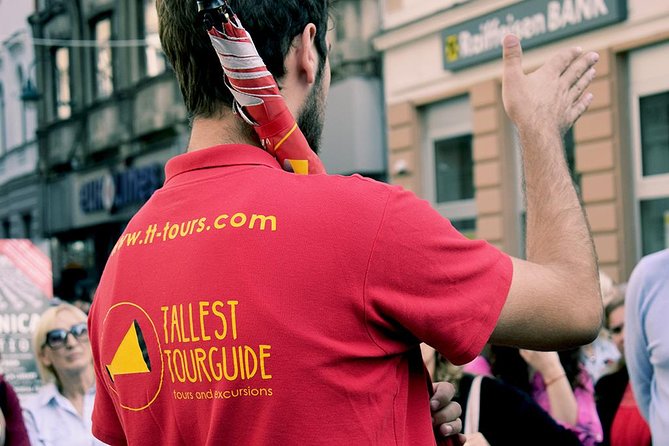
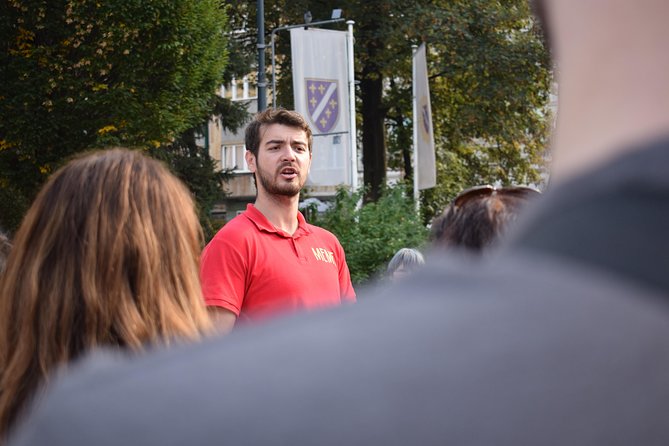
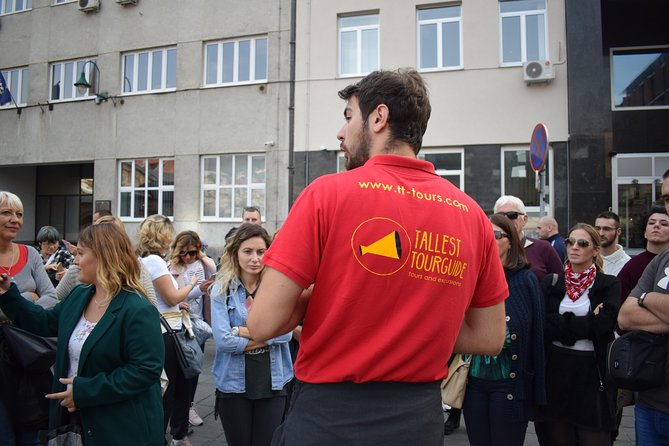
You’ll walk with a guide who brings the sites to life with context. In my experience, that’s the difference between a tour that’s just a checklist and one that gives you real takeaways you can repeat later, like why the Ottoman-era layout matters or what people were trying to accomplish when these public spaces were built.
You can also read our reviews of more walking tours in Sarajevo
Latin Bridge: Where the World War Story Starts (and Why It Sticks)
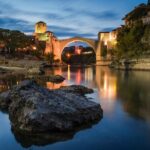
The tour begins with Latin Bridge, where you’ll hear about the start of the First World War and its consequences. This is one of those places where the street-level view makes sense, but the global importance needs an explanation. Your guide’s job here is to connect the moment in Sarajevo to the chain of events that followed.
It’s not just history as dates. The value is perspective. Once you understand how Sarajevo became a trigger point in modern history, the rest of the city reads differently. You start noticing how different cultural layers survived side by side, even through conflict and political change.
Practical note: this stop is about 20 minutes, and it’s usually the easiest one to overestimate on your own. Give yourself the time with the guide so you don’t just take photos and move on.
St. Anthony of Padua and the St. Francis Thread in Bosnia
Next up is the Church of Saint Anthony of Padua, with a scenic walk along the way that also shows landmarks such as the Emperor’s Mosque and Konak Residence. Those quick sight passes are useful because they help you understand Sarajevo’s “multi-layer” feel: different eras, different communities, and different architectural styles in the same tight area.
At the church, you’ll focus on the importance of the St. Francis order in Bosnia and Herzegovina. You’ll also hear about the Bosnian Kingdom and the idea of a unique church that existed in that context. That’s where this tour gets more than surface-level commentary. Instead of treating the building like a standalone object, it frames the church as part of a longer story of faith, politics, and identity.
You’ll end this stop with an explanation tied to Sarajevo Brewery. Even if you’re not a beer person, the point is larger: your guide is linking local industry and culture to the way Sarajevo developed over time.
Drawback to consider here: churches require quiet and patience for short explanations. If you’re the type who gets antsy in places with rules, just plan to stay flexible for a quick, respectful stop.
Sarajevo City Hall: Architecture You Can Read, Not Just Look At
At Sarajevo City Hall, you’re not only seeing an impressive architectural structure. You’re hearing the stories behind it—the building, destruction, and revival—which turns the façade into something human.
This is where the tour earns its late-afternoon timing. City Hall sits in a setting where light changes how details show up, from edges and corners to the overall mass of the building. With the history explained, you’re better able to “read” what you’re seeing rather than just admire it for a few seconds.
Your guide also shares instructions about the Yellow Fortress and gives options for exploring the hills in Sarajevo. Even if you don’t climb that evening, it’s a helpful planning nudge. You leave with a direction for a future half-day, and that’s often what makes a walking tour worth it.
Kazandžiluk (Coppersmith Street): Craft Tradition Meets Real Food Talk
The next stop is Kazandžiluk, especially known for coppersmith street and the craftsmanship tradition that still shapes the Old Town. This stop feels like a bridge between “big history” and “everyday Sarajevo.”
You’ll get an introduction to the Old Town market area (Baščaršija), along with practical guidance: cuisine, how to drink coffee, and where to eat. That last part is genuinely useful. Sarajevo can be full of tempting menus, but knowing what to look for takes the guesswork out.
The tour’s real value here is that it doesn’t treat coffee as a random break. It frames the coffee moment as part of culture—how people take their time, how the drink fits social life, and why you’ll see certain routines repeated in the market streets.
One caution: this is a short, about 20-minute segment, so it’s not a detailed foodie tour. If you want a full meal plan, treat this as a guide to where you should go next, not the final stop in your dinner research.
- Fall of Yugoslavia, Sarajevo War Tour with Tunnel of Hope Museum and Frontlines
★ 5.0 · 1,314 reviews
Baščaršija and Pigeon Square: Ottoman-Era Life in the Middle of Town
Baščaršija is described as the core of the Old Town and the place where everything started. On this tour, it feels like the center of gravity because it’s where the market energy, architecture, and storytelling all line up.
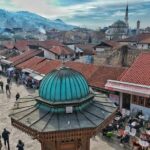
Here you’ll hear stories that recreate Ottoman Empire times, including explanations about caravans and the Sebilj Drinking Fountain. The goal isn’t just to name landmarks—it’s to give you the logic behind why caravan life mattered and how that fed the market economy.
You’ll also be introduced to Pigeon Square, which works nicely because the square acts like a reference point. Once you know where it is and why it’s significant, it’s easier to return later on your own and orient quickly.
If you’re sensitive to crowds, keep in mind that market areas attract foot traffic. The tour handles it by moving you along with purpose, but it’s still a living neighborhood, not an empty museum.
Morica Han Caravanserai: Trade Routes and Ottoman Hospitality
The final stop is Morica Han, a caravanserai (essentially an Ottoman-era trading stop with lodging and services tied to commerce). You’ll learn why it mattered for trade during the Ottoman Empire—how these places supported travel, goods movement, and the short-term rhythm of visitors who passed through Sarajevo.
What I like about ending here is that it reframes the whole tour. You start with the modern shock of WWI history, and you end with the older economic system that helped Sarajevo connect to the wider world. It’s a smart arc: conflict and consequence at the beginning, then the mechanisms of everyday exchange at the end.
You’ll also get a take on Bosnian hospitality—what hosts are like and what that implies about local social life. That’s the kind of commentary that helps you understand what you might feel after the tour: people are often more interested in conversation than in keeping things purely transactional.
This stop is about 15 minutes, which is good. It gives you a sense of place without turning it into a museum lecture.
Price, Group Size, and Whether This Feels Like Value
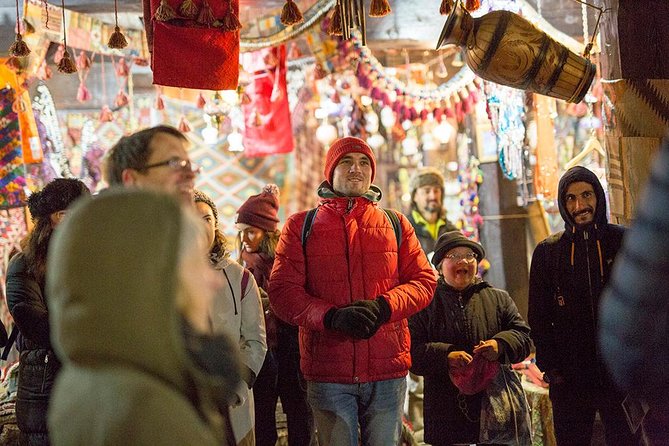
At $17.80 per person, this tour sits in a very approachable range for what you get: a guided walk through major sights plus Bosnian coffee and/or tea and bottled water. The inclusion matters because you’re not spending extra money on a refreshment break while also trying to squeeze in sights.
The group size is capped at 20 travelers. That’s a sweet spot. It’s large enough to keep the tour lively and social, but small enough that you can still hear explanations and ask questions if something is unclear.
There’s also mention of group discounts and a mobile ticket. If you’re the type who hates printing confirmations, the mobile format helps. Just make sure you have your phone charged, since it’s your ticket and you’ll be outdoors for most of the experience.
One more practical note from real-world experience: I’d always plan to show up a few minutes early at the meeting point. On at least one occasion I’ve seen, a booking handled through a third-party reseller caused confusion and a no-show. That’s not the tour’s fault, but it’s a reason to confirm the exact operator name (TT Tours) and double-check the meeting location before you rely on someone showing up.
Getting the Most Out of the Walk (and Avoiding Common Frustrations)
You’re walking for about three hours, and the tour is structured around short, focused stops. That means you’ll get frequent “move, stop, learn, move again” moments. If you pace yourself and keep your camera ready, it feels smooth.
What helps most:
- Wear shoes that can handle uneven Old Town pavement.
- Bring a layer even in warmer months. The 5 pm start can cool off fast once the sun drops.
- Use the coffee/food advice as a map for dinner. The tour’s market stops point you toward where to eat rather than replacing your entire meal plan.
If the weather is foggy or rainy, you might see day-of adjustments. Sarajevo weather can change quickly in late afternoon. I recommend keeping your schedule flexible and checking what’s happening close to start time so you don’t waste an evening waiting outdoors.
Should You Book This Sarajevo Sunset Walking Tour?
If you want a fast, guided way to understand Sarajevo’s Old Town, I think this is a strong pick. It’s especially good for you if:
- you’re short on time and want the main sights connected by story
- you care about why places matter (not just what they look like)
- you like Ottoman-era market culture as much as major historical events
- you want coffee and simple, practical food guidance built into the route
If you’re the type who hates walking with multiple stops, or you want a slow, unstructured wandering day, this may feel tightly scheduled. It’s not a long, leisurely stroll. It’s a smart evening tour designed to get you oriented fast and send you back out with a clearer picture of Sarajevo.
FAQ
Where does the Sarajevo Sunset Walking Tour start?
It starts at Hamdije Kreševljakovića 61, Sarajevo 71000, Bosnia and Herzegovina, and it ends back at the meeting point.
What time does the tour begin?
The start time is 5:00 pm.
How long is the tour?
The duration is about 3 hours.
What is included in the price?
The tour includes Bosnian coffee and/or tea plus bottled water.
Are there any entrance tickets you need to pay for the stops?
The stops listed include free admission ticket access.
How big is the group?
The tour has a maximum of 20 travelers.
Can I upgrade to a private tour?
An optional upgrade to a private tour is available.
Is confirmation provided at booking?
You receive confirmation at time of booking in most cases. If you book within 5 hours of travel, confirmation is received as soon as possible, subject to availability.
If you’d like, tell me your travel dates and whether you prefer more history or more food-shopping time, and I’ll suggest the best places to go right after the tour ends.
You Might Also Enjoy
More Walking Tours in Sarajevo
More Tours in Sarajevo
- Fall of Yugoslavia, Sarajevo War Tour with Tunnel of Hope Museum and Frontlines
★ 5.0 · 1,314 reviews

More Tour Reviews in Sarajevo
- Fall of Yugoslavia, Sarajevo War Tour with Tunnel of Hope Museum and Frontlines
★ 5.0 · 1,314 reviews