REVIEW · SARAJEVO
7 Days Balkan Tour Bosnia Croatia Montenegro Albania N.Macedonia
Book on Viator →Operated by Tour Mage · Bookable on Viator
Sarajevo starts the story, and you keep following it. This 7-day Balkan route strings together Ottoman-era craft, World War I history, wartime memory, and Adriatic coast towns, then ends with Macedonian capital highlights.
I like how the trip is built for real understanding, not just check-the-box sightseeing. On Day 1 you move from Bascarsija and Ottoman Sarajevo scenes to the Sarajevo War Tunnel, so the city’s past and present sit side by side. I also like the human factor: the private driver/guide setup (including people like Edis in past trips) plus local guides in each city means you can ask questions and get straight answers.
One consideration: the days are full of driving and city walking, and the route crosses borders. If you’re traveling in hot months, heat and traffic can cut into downtime, even if the car is air-conditioned.
In This Review
- Key things to know before you go
- Sarajevo to War Tunnel: why Day 1 hits hardest
- What to watch for on Day 1
- Bascarsija craft to Latin Bridge: how to enjoy Sarajevo without feeling rushed
- Konjic and the Neretva route: the drive that makes Herzegovina feel big
- Mostar Old Town and Stari Most: a practical way to see the iconic bridge right
- Tip for Mostar
- Blagaj, Počitelj, Kravice Falls, then Neum: the day that resets your eyes
- Dubrovnik walls into Kotor: mixing big fame with quieter focus
- Shkodra and Tirana: Albania’s story in guided chunks
- Ohrid Old Town: border-crossing day with a slower feel
- Skopje and the Vardar River: Ottoman bazaar plus Alexander-side energy
- Price and what you’re really paying for
- Hotels, timing, and how to survive cross-border days
- Who should book this 5-country Balkan route
- Should you book it?
- FAQ
- FAQ
- Is pickup available, and where?
- What’s the duration of the tour?
- Is the tour private?
- What’s included in the price?
- Are lunch and dinner included?
- Are entrance tickets always included?
- Which countries are covered on this route?
- How late can I cancel for a full refund?
Key things to know before you go
- Sarajevo as the anchor: Old Town stops plus the War Tunnel make the history land fast
- Mostar time is long enough: Old town focus with Stari Most and riverbank viewpoints
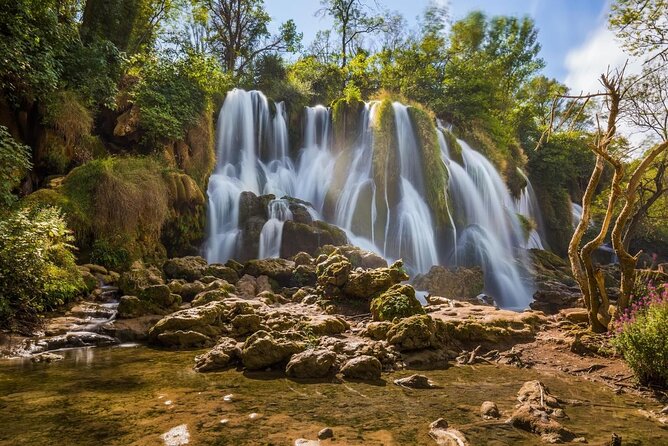
- Herzegovina nature breaks up the cities: Buna springs, Kravice Falls, and Počitelj
- Dubrovnik inside the walls, then Montenegro: you get guided depth before free exploration
- A clear rhythm of guided tours + free time: check-in days end with breathing room
Sarajevo to War Tunnel: why Day 1 hits hardest
If you want a Balkan trip that feels connected, start in Sarajevo. Day 1 doesn’t just show pretty streets. It guides you through the layers of a city that has worn many identities, then asks you to look at the consequences.
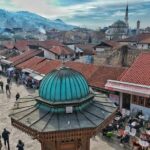
You begin with pickup and a meet-and-greet, then roll into the Old Town area around City Hall, craft streets, and the big public square with the Sebilj fountain. From there, the walking stops are short but specific, like you’re being given a guided “map in words,” not a lecture.
The Bascarsija stretch is the heart of the old trading district, and the pace is gentle enough to take photos without feeling rushed. Right after, you visit a traditional coppersmith shop (in the only preserved street from Ottoman times), which is a good reminder that history isn’t only monuments. It’s also craft skills that survived.
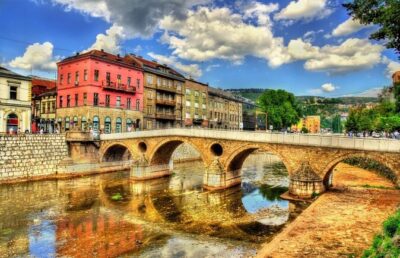
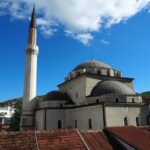
The religious sites are varied and timed like story chapters. You’ll hear about Gazi Husrev-beg and the fortune that built the large mosque complex, school, caravansary functions, and the covered market—then you’ll stand at Latin Bridge, where the assassination connected to World War I changed European history. It’s one of those stops where the facts are heavy, but the location itself is clear and memorable.
A few more Old Town anchors round it out: a quick stop at the Jewish museum area (near the old Jewish temple site), time at the Catholic Cathedral square, and stops connected to siege-era Sarajevo and the city’s Orthodox heritage. Even when a site’s ticket isn’t included, the short “context stops” help you connect what you’re seeing to what happened here.
Then comes the biggest emotional pivot: the Sarajevo War Tunnel. After walking the Old Town, you take a panoramic drive through the city and head to the Tunnel museum. This is one of the stops with admission included, and it’s worth taking slowly—because you’re not just learning dates. You’re learning how people survived under siege, and how infrastructure and geography mattered.
You can also read our reviews of more tours and experiences in Sarajevo.
- Fall of Yugoslavia, Sarajevo War Tour with Tunnel of Hope Museum and Frontlines
★ 5.0 · 1,314 reviews
What to watch for on Day 1
- Some sights on this day list admission as not included, so plan for a few extra entry fees if you want to go inside every place.
- The day is dense. Comfortable shoes help more than you’d think.
Bascarsija craft to Latin Bridge: how to enjoy Sarajevo without feeling rushed
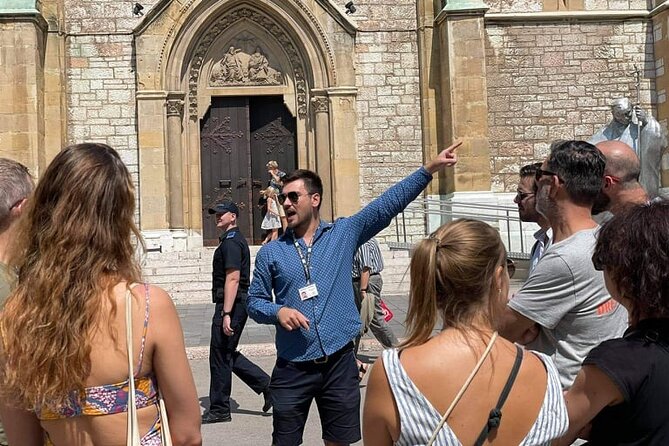
This is the part of the itinerary where you can choose your tempo. Most stops are designed as short photo-and-story segments: Sebilj area, craft streets, a coppersmith shop, a bridge stop, and several cathedral or heritage points.
I like this approach because Sarajevo’s Old Town can overwhelm you if you try to do it “free-form” all at once. Here, you get context first, so your photos feel smarter afterward. You’ll also get a better sense of why Latin Bridge is not just a landmark—it’s a trigger point in world history.
If you’re the type who likes detail, you’ll probably enjoy the coppersmith stop. It’s one of those moments where you can see how Ottoman Sarajevo wasn’t only architecture. It was trade, tools, and everyday materials.
Konjic and the Neretva route: the drive that makes Herzegovina feel big
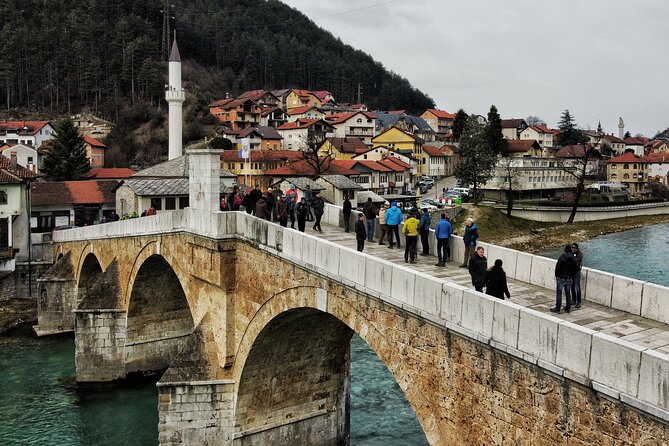
Day 2 moves from Sarajevo into the Herzegovina region with a first stop in Konjic. You visit an Ottoman stone bridge from the 1600s on the Neretva river. It’s short—about 15 minutes—but the bridge is the kind of landmark that helps you “see” the landscape in older terms.
Then the tour turns into scenic travel. On the way to Mostar, you drive one of the most beautiful routes in the country, passing by Jablanico Lake and the Neretva Canyon. This isn’t just a transfer day. The scenery gives you a break from city streets and makes the next stop—Mostar—feel earned.
Mostar Old Town and Stari Most: a practical way to see the iconic bridge right
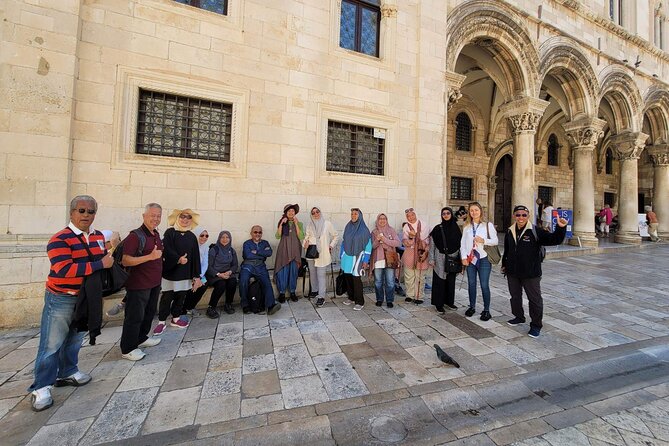
Mostar is the headline, and the itinerary treats it like one. You arrive, get a guided tour in the Old Town, then you have a long block to check in and enjoy the rest of the day at your own pace.
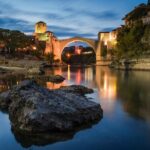
The guided part covers the Ottoman bazaar area, the Old Bridge (Stari Most) and both sides of the river banks, plus the Crooked Bridge. You also visit the Koski Mehmet Pasha Mosque. This matters because Mostar’s famous bridge views can become pure sightseeing if you don’t understand the setting. Seeing the Ottoman bazaar and mosque alongside it helps you read what the bridge meant for trade and movement.
The “rest of the day free” segment is also smart planning. Mostar is one of those cities where the best time can happen after the official tour—when you’re walking without a schedule and trying a meal nearby (lunch and dinner aren’t included, so this is your window to choose).
- Fall of Yugoslavia, Sarajevo War Tour with Tunnel of Hope Museum and Frontlines
★ 5.0 · 1,314 reviews
Tip for Mostar
- If the day is warm, you’ll probably appreciate pacing. Do the main viewpoints, then slow down in the Old Town streets.
Blagaj, Počitelj, Kravice Falls, then Neum: the day that resets your eyes
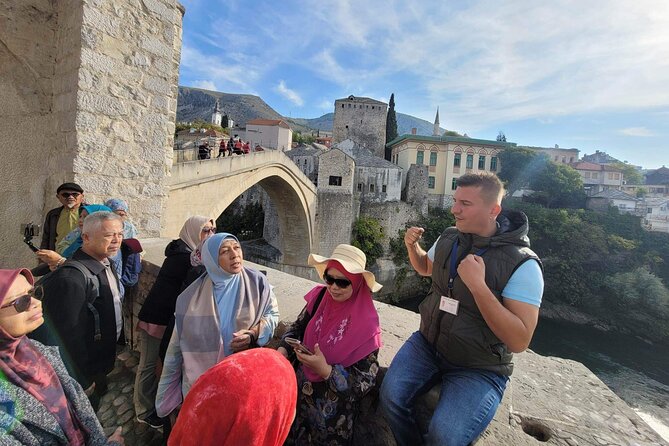
Day 3 has a strong rhythm: springs, stone town views, and then waterfall time.
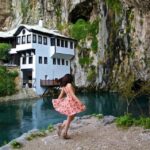
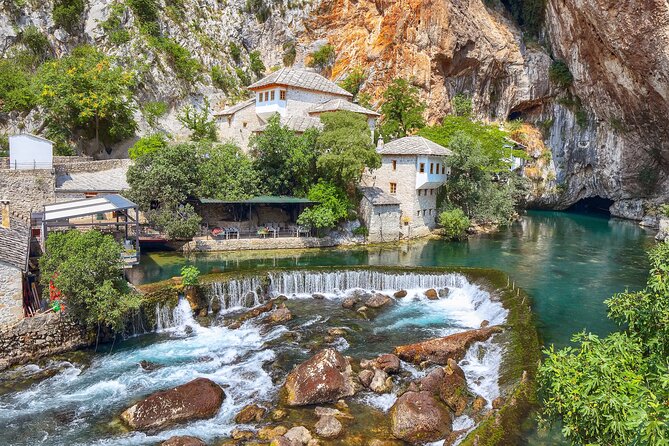
You start in Blagaj for the Buna river springs and the Derwiah house. Even with limited time, the setting gives a “nature + culture” balance that many Balkan tours skip. It’s not only scenery; it’s also a place where traditions and water geography matter.
Next is Počitelj, a medieval stone town. You stop for photos and the option to climb toward the fortress area from the 1500s. This is one of the better “short climb / big view” choices on a packed itinerary. You get a sense of defensive architecture and why villages clung to strategic high ground.
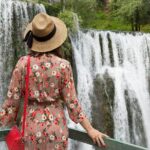
Then the day’s nature payoff: Kravice Falls. You’ll spend around two hours here, and admission is included. Waterfall time is not about ticking it off. It’s one of the easiest ways to make the trip feel less like nonstop urban history.
Finally, you overnight in Neum, noted as the only coastal town in Bosnia and Herzegovina. This changes the mood. Instead of another “historic city day,” you get an overnight base that feels different—coastline pace, even if you mainly use it as a sleep and reset point before Dubrovnik and Montenegro.
Dubrovnik walls into Kotor: mixing big fame with quieter focus
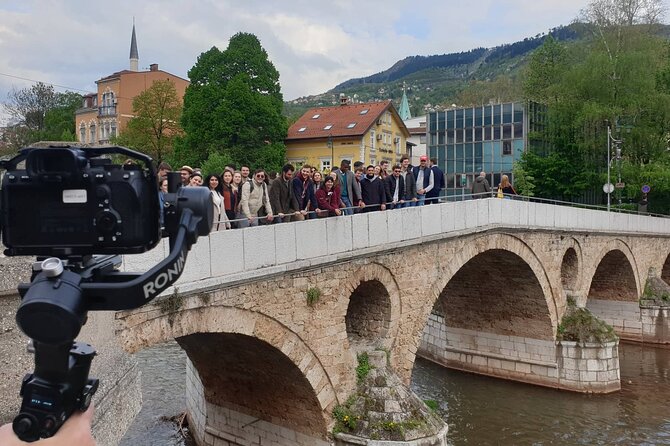
Day 4 is where the tour shows range. You leave Neum after breakfast and head to Dubrovnik. Once in the Old Town, you meet a local guide for a walking tour inside the stone walls, then you get about two hours to explore on your own before continuing into Montenegro.
That split—guided wall walk first, then free exploring—is a good balance. Dubrovnik’s Old Town is famous, but it can also turn into a crowd-and-camera loop. Having a guide for the first pass helps you understand the layout and where to focus for your second pass.
After Dubrovnik, the tour goes to Kotor for an Old Town tour, then free time. Kotor feels like a different kind of “walled” experience—more compact, with a strong sense of vertical terrain around the old streets. You then continue to Budva, where you walk the Old Town and check in.
Budva day length is long (the itinerary gives you most of the day with a free-and-easy feel after check-in). Use it to pick a slow dinner or a short walk rather than trying to “win the whole city” in a single evening.
Shkodra and Tirana: Albania’s story in guided chunks
Day 5 is driven travel first, then city history in layers.
You head to Shkodra with a local tour guide. The itinerary frames it as a guided visit, then you continue on to Tirana.
In Tirana, your local guide time focuses on a cluster of landmarks: Skanderbeg Square, Ethem Bey Mosque, Mother Teresa Square, and sites tied to communist-era memory like bunkers. You also visit Piramida. These stops make Tirana feel like a living timeline rather than a generic capital.
Then check in, and the rest of the day is free. Since lunch and dinner aren’t included, this is again your chance to choose food and pace. Tirana rewards wandering, but having the main landmarks covered first makes your wandering feel intentional.
Ohrid Old Town: border-crossing day with a slower feel
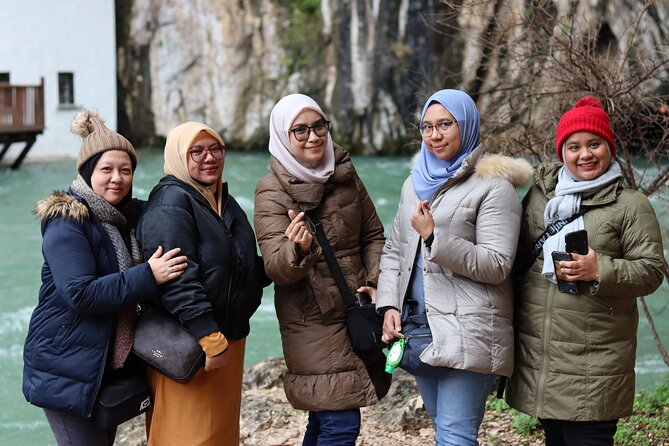
Day 6 brings you from Tirana to Ohrid in North Macedonia. The itinerary notes border crossing as part of the travel and then gives you guided time in Ohrid’s Old Town.
With a local guide, you visit the main promenade and the entrance gates to the Old Town area. You’ll also see places connected to crafts and daily life, including a pearl shop and an old paper factory, plus St Sofia monastery.
The best part here is the balance: you get guidance for the core sites, but you also get the rest of the day free in Ohrid. After days of busy city circuits, this kind of free time matters. It lets you sit, walk, and decide what you want to repeat without feeling guilty about missing something “official.”
Skopje and the Vardar River: Ottoman bazaar plus Alexander-side energy
On Day 7, you drive from Ohrid to Skopje with short stops along the way, then finish with a guided walking tour.
The tour focuses on both sides of the Vardar River, which is a simple concept that makes a lot of sense for getting oriented. One side is described as Ottoman-influenced with bazaar streets, small shops, and places to eat. The other side is framed around Macedonian heritage and Alexander the Great.
This “two sides” approach is useful when you’re in a city that has multiple identity layers at once. After the walking tour, you’re transferred to your accommodation or to the airport depending on your choice, and the service ends.
Price and what you’re really paying for
At $2,013.49 per person for roughly 7 days, this is not a budget backpacker deal. It’s closer to a guided circuit where your biggest costs are handled for you: hotels, transportation, local guides, and many built-in admissions.
Here’s what the price includes, in plain terms:
- 6 nights of 4-star hotels
- Local tour guides throughout the route
- Air-conditioned vehicle for the transfers
- English-speaking driver/guide
- Breakfast each day for the 6 mornings
- All fees and taxes listed as included
What’s not included is also important: lunch and dinner. That’s the main place you can control your spending and your food style. It also means you’re expected to use the free-time blocks in each city to eat where you like.
In value terms, I think the strongest reason this price can make sense is the private format. You’re not sharing your day with a huge crowd in the same way you might on a bigger group bus tour. You also get local guides in multiple cities, which adds up fast if you tried to reproduce it yourself.
Hotels, timing, and how to survive cross-border days
You’re in 4-star hotels for 6 nights, with breakfasts included. That’s a practical advantage on a route like this, because you’re not just seeing cities—you’re constantly resetting your base.
The itinerary is also structured so you get guidance early, then breathing room later:
- Some days include long guided city blocks, then hours of free time for exploring.
- Other days are built around scenic stops and nature time, which can be tiring if you overpack your schedule.
Two things to plan around:
- Wear shoes for uneven sidewalks and long walking on city days.
- Keep water and snacks handy for drive-heavy segments, since lunch timing isn’t guaranteed by included meals.
Who should book this 5-country Balkan route
This tour fits best if you want:
- A history-and-culture trip that connects sites, not just locations
- A guided route across Bosnia, Croatia, Montenegro, Albania, and North Macedonia
- Comfort upgrades like air-conditioned transport and 4-star hotels
- A private setup where you can ask questions and move at a human pace
It may be less ideal if you want long, spontaneous unstructured days. This is a lot of ground covered, so you’ll feel the schedule.
Should you book it?
I’d book this if you’re excited by the idea of seeing the Balkans as one story across borders, with Sarajevo’s turning points (including the War Tunnel) as your starting anchor. The guide team focus and the mix of city history plus nature breaks (like Kravice Falls and Buna springs) make the route feel balanced for a one-week trip.
I’d skip it if you want a slow travel style with very light planning. This one is built for momentum.
FAQ
FAQ
Is pickup available, and where?
Pickup is offered at any location in Sarajevo.
What’s the duration of the tour?
It’s listed as approximately 7 days.
Is the tour private?
Yes. It’s a private tour/activity, and only your group participates.
What’s included in the price?
It includes 6 nights in 4-star hotels, local tour guides, an air-conditioned vehicle, an English-speaking driver/guide, all fees and taxes, and breakfast for 6 mornings.
Are lunch and dinner included?
No. Lunch and dinner are not included.
Are entrance tickets always included?
Not always. Some admissions are included, such as the Sarajevo War Tunnel and Kravice Falls. Other stops show admission as not included, such as the Gazi Husrev-beg Mosque, the Jewish Museum, and some cathedral visits.
Which countries are covered on this route?
The tour is described as covering Bosnia, Croatia, Montenegro, Albania, and North Macedonia.
How late can I cancel for a full refund?
You can cancel up to 6 days in advance of the experience for a full refund.
You Might Also Enjoy
More Tours in Sarajevo
- Fall of Yugoslavia, Sarajevo War Tour with Tunnel of Hope Museum and Frontlines
★ 5.0 · 1,314 reviews

More Tour Reviews in Sarajevo
- Fall of Yugoslavia, Sarajevo War Tour with Tunnel of Hope Museum and Frontlines
★ 5.0 · 1,314 reviews