REVIEW · SARAJEVO
Inside the Siege: Sarajevo’s Story of Survival
Book on Viator →Operated by Sarajevo tours with Adis Hamzic · Bookable on Viator
Siege survival stories in Sarajevo, minus the fluff. This tour strings together the city’s key siege sites with clear, human storytelling in English, led by Adis Hamzic, and you stay in a max 16 person group. I like how the tone stays personal without turning it into a lecture.
I love the stop sequence that moves from views at the Yellow Fortress to the stadium’s memorial for 1,601 children and then on to the Tunnel of Hope Museum, where the city’s lifeline becomes concrete. One thing to plan for: the Tunnel of Hope Museum ticket is not included, so you’ll pay about €10 per person on-site in local currency.
In This Review
- Key things to know before you go
- Who Adis Hamzic is, and why the storytelling feels grounded
- The 1:00 pm start, meeting point, and how the 2–3 hours really move
- Yellow Fortress: panoramic views that connect the skyline to the siege front line
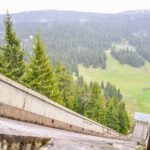
- Asim Ferhatovic Hase Stadium: from 1984 Olympics to a cemetery and a child memorial
- Sniper Alley and the Presidency Building: war made into street-level reality
- Tunnel of Hope Museum: the lifeline stop (and the €10 ticket plan)
- The panoramic drive back: finishing with a view that makes sense
- Price and value: what $54.22 gets you in real terms
- Who should book this siege survival tour, and who should skip it
- Should you book Inside the Siege in Sarajevo
- FAQ
- How long is the Inside the Siege tour?
- What time does the tour start?
- Where is the meeting point?
- Is the tour offered in English?
- What’s included in the price?
- Which entrance fees are not included?
- Is the Yellow Fortress and the stadium admission free?
- What is the group size limit?
- Is it easy to get to the meeting point with public transportation?
- Can I cancel for a full refund?
- FAQ
- Is there a bathroom break?
- Are tips included?
- What if the tour doesn’t meet its minimum traveler count?
- Are service animals allowed?
- How far in advance is it commonly booked?
Key things to know before you go
- Small-group format (max 16): easier questions, less waiting, and a more human pace.
- Panoramas that explain the war: the Yellow Fortress helps you connect the skyline to the siege front lines.
- A solemn focus on children: Asim Ferhatovic Hase Stadium honors the 1,601 children killed during the siege.
- Sniper Alley on foot and up close: you’ll walk a street that was targeted by sniper fire.
- Tunnel of Hope, with a separate ticket: plan time and cash/cards per the on-site museum fee.
- Comfortable transport: an air-conditioned vehicle keeps the afternoon manageable.
Who Adis Hamzic is, and why the storytelling feels grounded
This is the kind of Sarajevo tour that depends on the guide’s presence, not just the map. You’ll ride with Sarajevo tours with Adis Hamzic, and his local perspective matters because you’re not only looking at sites—you’re hearing how everyday life got squeezed, rationed, and reorganized under siege conditions.
What I like about this style is the balance. The tour uses big-picture context, then pulls it back to human-scale moments: what people saw from where they stood, how streets and buildings changed jobs, and why survival was sometimes about information as much as supplies. That mix makes the facts easier to remember, not just harder to forget.
Also, the group format helps the whole thing land. With a small maximum group, questions actually get answered, and you can steer the conversation toward what you care about most—politics, daily survival, or how the city rebuilt afterward.
You can also read our reviews of more tours and experiences in Sarajevo.
- Fall of Yugoslavia, Sarajevo War Tour with Tunnel of Hope Museum and Frontlines
★ 5.0 · 1,314 reviews
The 1:00 pm start, meeting point, and how the 2–3 hours really move
The tour starts at 1:00 pm at Mula Mustafe Bašeskije 65 in Sarajevo, and it ends back at the same meeting point. It usually runs 2 to 3 hours, so you’ll be seeing a lot without being dragged into a full-day itinerary.
You’ll travel by air-conditioned vehicle, with short walking segments at key points. That’s practical in Sarajevo’s weather swings, and it also keeps the tour focused. One small consideration: even with a small group, the vehicle can feel tight, so if you’re sensitive to cramped seating, pack light and come ready for close quarters.
Because the tour is in English, it works smoothly if you want explanations without translation lag. And since it’s near public transportation, you’re not stuck if you’re getting to Sarajevo from elsewhere—just make sure you arrive a bit early so you’re not rushing a heavy topic.
Yellow Fortress: panoramic views that connect the skyline to the siege front line
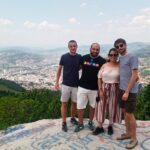
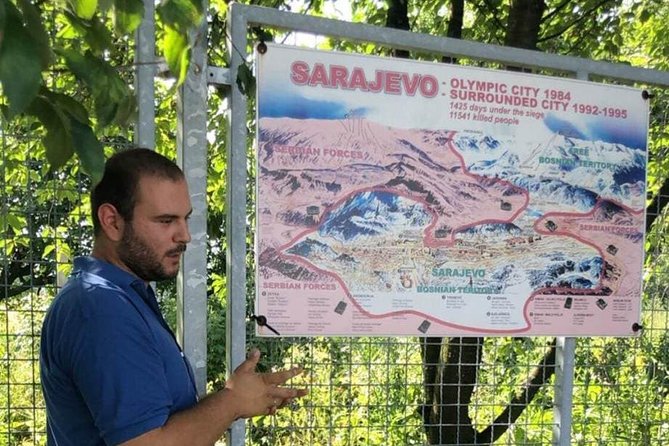
You kick things off at the Yellow Fortress, and the first payoff is the view. From up high, Sarajevo stops being just a pretty postcard. The guide uses the panorama to explain how the siege front lines shaped what was possible, what was dangerous, and why some parts of the city felt closer to violence than others.
This stop is more than scenery. You’ll also hear about the resting place of those who fought to protect the city, and you’ll pass by the site of tragic civilian massacres during the siege. It’s a lot to take in at once, so pay attention to how the guide paces the stories. The best tours here don’t rush your emotions. They give you context first, then let the place do the rest.
Time at the fortress is about 15 minutes, and that’s a fair chunk. You’ll get the big idea and a clear direction for the rest of the afternoon. If you’re someone who wants to linger for photos, plan on doing some quick shots and saving the longer viewpoint time for later, when you can move at your own speed.
Asim Ferhatovic Hase Stadium: from 1984 Olympics to a cemetery and a child memorial
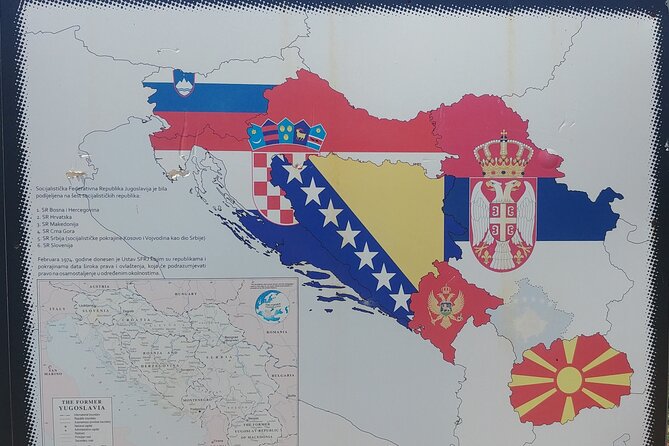
Next up is Asim Ferhatovic Hase Stadium, famous first for its role in the 1984 Winter Olympics, and later for what the war turned it into. During the siege, parts of the stadium were used as a cemetery, which is a stark reminder of how quickly a public space can change purpose.
The tour also centers on one of the most painful memorial facts: 1,601 children killed during the siege. That number isn’t just stated; it’s treated as something you should absorb slowly, with respect for what it implies about families and futures cut short.
You’ll spend about 10 minutes here, and it works. It’s long enough for the meaning, short enough that you’re not trapped in one emotional zone. After this stop, the tour naturally shifts toward streets and buildings where violence was more immediate—so this moment becomes your anchor point.
One practical note: since admission for this stop is listed as free, you don’t have to factor in ticket logistics. That keeps the flow tight.
Sniper Alley and the Presidency Building: war made into street-level reality
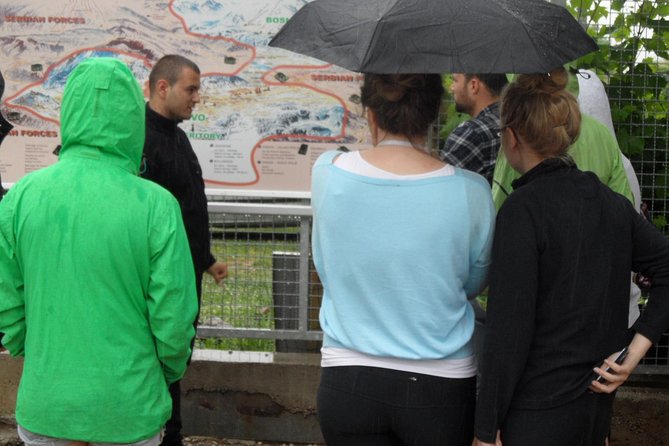
After the stadium, you’ll move into streets and civic sites that show how the siege affected daily movement. One stop is Sniper Alley, described as one of the most dangerous streets during the war, targeted by sniper fire. Walking there with a guide changes the way you see ordinary blocks. Suddenly, line of sight, height, and timing aren’t abstract ideas—they’re the difference between normal errands and life-or-death caution.
You’ll also visit the Presidency Building, which served as a political center during the war and remains an important historical site. This part is useful because it connects the siege to decision-making and power. The war wasn’t only fought in trenches. It played out in offices, announcements, and the constant pressure of resources.
The value here is perspective. When you understand why political leadership mattered while civilians were under fire, the war feels less like a distant headline and more like a system that affected every hour of the day. The guide’s job is to keep that system understandable without making it feel clinical.
Emotionally, this is where the tour can feel heavy. If you know you don’t handle intense topics well, prepare yourself before you start. If you do handle them, you’ll probably find it helps to ask questions. The tone here is interactive, not passive.
- Fall of Yugoslavia, Sarajevo War Tour with Tunnel of Hope Museum and Frontlines
★ 5.0 · 1,314 reviews

Tunnel of Hope Museum: the lifeline stop (and the €10 ticket plan)
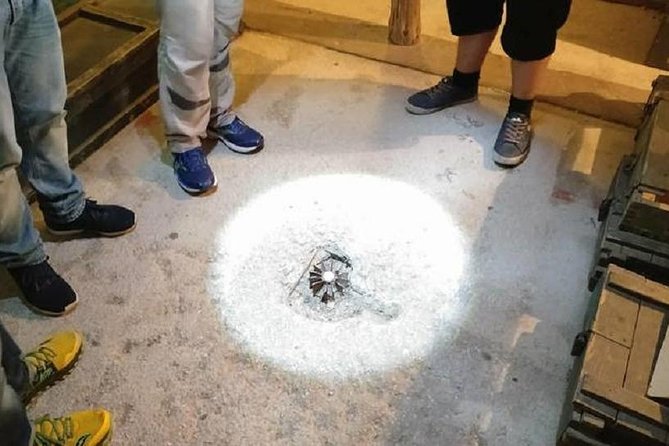
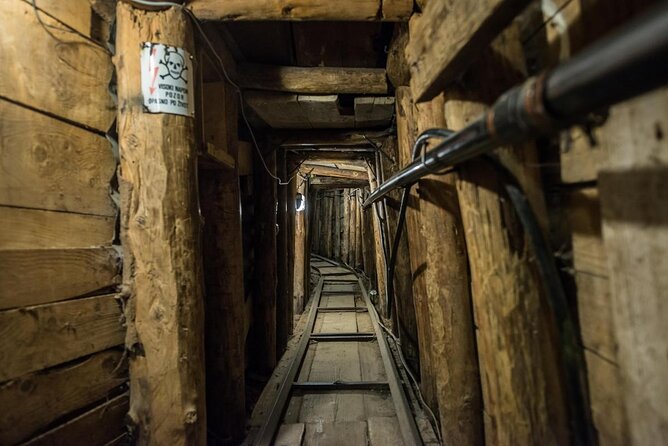
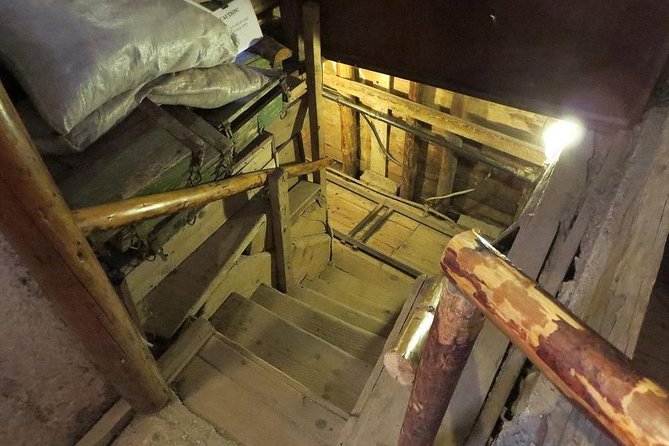
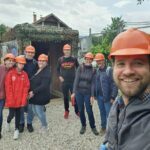
The emotional and historical centerpiece is the Tunnel of Salvation, also connected to the Tunnel of Hope Museum. This is the moment where survival tactics stop being stories and start looking like engineering, logistics, and risk.
You’ll have about 50 minutes for the museum itself, and the guide explains how the tunnel functioned as a secret lifeline used for smuggling supplies and survival. Even if you’ve read about the siege before, seeing the tunnel context inside a museum frame helps it click. It becomes more than a symbol; it becomes a survival mechanism.
Ticket detail matters: Tunnel of Hope Museum entrance is not included. You pay about €10 per person on-site in local currency. So go with a plan. If you’re budgeting tightly, treat that fee as part of your real tour cost, not an optional add-on.
Also, factor in the museum’s emotional weight. It’s not gory in the way people sometimes fear with war-related sites, but it’s hard to absorb. Give yourself enough time to read what’s there rather than treating it like a photo stop.
The panoramic drive back: finishing with a view that makes sense
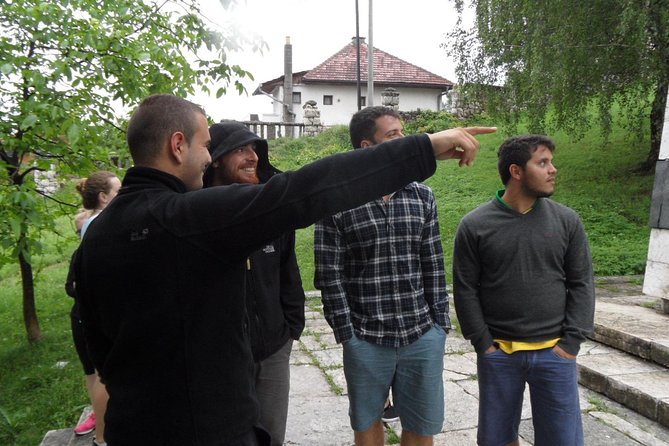
After the museum, you’ll take a panoramic drive back through Sarajevo. This is more than a transfer. The road gives you a final chance to see how the city sits in relation to itself—how neighborhoods connect, how visibility works, and how the geography influenced the siege.
You end with another breathtaking view of Sarajevo, which can feel surprising after such a heavy set of stops. That contrast is part of what makes the tour meaningful: the city is still here, still lived in, still evolving.
I like this finish because it gives your brain somewhere to land. A lot of history tours end with more facts. This one ends with orientation—helping you remember what the city looks like now, not only what it endured.
Price and value: what $54.22 gets you in real terms
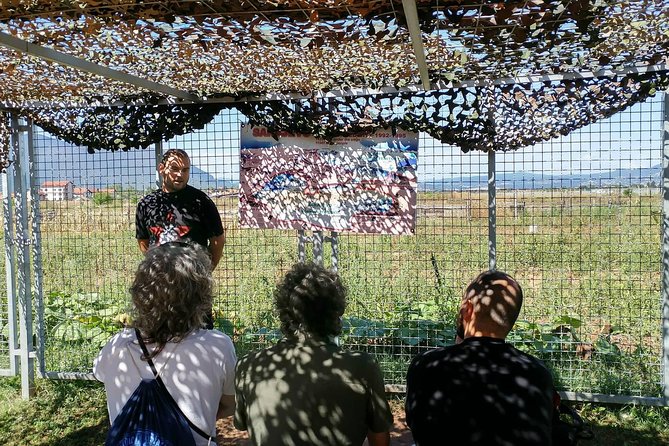
At $54.22 per person, this tour is priced like a specialty historical experience rather than a generic city ride. You do pay for the structure: a professional local guide, air-conditioned vehicle transport, and a route that includes specific, high-impact siege sites.
Here’s where the value shows up:
- You’re not piecing together multiple locations on your own.
- You get guided context at each stop, which is the difference between reading a plaque and understanding what the place meant.
- The group limit (up to 16) makes it more personal than typical big-bus history tours.
You should also notice what’s not included. The Tunnel of Hope Museum entrance fee is extra, and tips for the guide are optional. Those are small adds, but they matter when you’re calculating your total day cost.
In exchange, you get a clean afternoon plan that’s long enough to connect the dots and short enough to avoid fatigue. For many visitors, that’s the biggest value: you get the core of Sarajevo siege history in one go, without spending your entire trip fighting transportation and schedules.
Who should book this siege survival tour, and who should skip it
This tour is a good match if you want a local’s perspective and you like asking questions. It also fits well if you want to see a lot of key sites without doing heavy planning. The English-language format helps you move through complex topics without losing nuance.
You’ll likely enjoy it most if you’re the type who reads the city as a living document. In other words, if you look at buildings and streets and think, What happened here?—this will satisfy that curiosity fast.
You might want to consider another option if you’re sensitive to very intense war subjects. The itinerary includes reminders of civilian massacres, and it centers on a memorial number tied to the deaths of children. It’s respectful, but it’s still emotionally demanding.
It’s also best for people comfortable with brief, frequent walking stops. This is not a long hike. Still, it’s not a sit-and-watch format either.
Should you book Inside the Siege in Sarajevo
If you care about understanding the Sarajevo siege beyond the basics, I’d book this. The guide-led storytelling, the small-group setup, and the mix of places—views, memorials, dangerous streets, and the tunnel lifeline—give you a solid picture in a manageable 2 to 3 hours.
One smart move: arrive with a little room in your schedule for afterthought. Your brain will keep working after the last stop, especially once you’ve seen how the city’s layout ties into the war story. If you go in prepared, you’ll leave with a clearer sense of how survival happened, not just that it happened.
And if you’re trying to pick one war-focused activity in Sarajevo, this is one of the most efficient ways to cover the key sites without feeling lost.
FAQ
How long is the Inside the Siege tour?
It runs about 2 to 3 hours.
What time does the tour start?
The start time is 1:00 pm.
Where is the meeting point?
You meet at Mula Mustafe Bašeskije 65, Sarajevo 71000, Bosnia and Herzegovina.
Is the tour offered in English?
Yes, it’s offered in English.
What’s included in the price?
The price includes an air-conditioned vehicle and a professional local guide with historical context and storytelling.
Which entrance fees are not included?
The Tunnel of Hope Museum entrance fee is not included. You pay about €10 per person on-site in local currency.
Is the Yellow Fortress and the stadium admission free?
Yes. The Yellow Fortress and Asim Ferhatovic Hase Stadium stops list admission as free.
What is the group size limit?
The maximum group size is 16 travelers.
Is it easy to get to the meeting point with public transportation?
The meeting point is near public transportation.
Can I cancel for a full refund?
Yes, you can cancel for a full refund up to 24 hours before the experience starts.
FAQ
Is there a bathroom break?
The tour duration is short and the stops are brief, so you’ll likely need to use restrooms before you start. Specific restroom stops aren’t listed.
Are tips included?
Tips for the guide are not included. Tipping is optional, but appreciated.
What if the tour doesn’t meet its minimum traveler count?
If it’s canceled because a minimum isn’t met, you’ll be offered a different date/experience or a full refund.
Are service animals allowed?
Yes, service animals are allowed.
How far in advance is it commonly booked?
On average, this is booked 33 days in advance.
You Might Also Enjoy
More Tour Reviews in Sarajevo
- Fall of Yugoslavia, Sarajevo War Tour with Tunnel of Hope Museum and Frontlines
★ 5.0 · 1,314 reviews