REVIEW · SARAJEVO
SARAJEVO SIEGE TIMES ’92-’95 / Sarajevo Roses & Tunnel of Hope /
Book on Viator →Operated by Superb Adventures Tours · Bookable on Viator
A siege changes everything, including where you stand. This tour brings Sarajevo’s 1992–1995 story to life with Faruk’s personal war memory and a sequence of stops built around how the city was attacked and survived. I especially liked the Tunnel of Hope segment and the war-line views from Trebević/nearby overlooks, even though the content is heavy and you should expect a serious, at-times grim tone.
You’ll move through five different locations in about 3 to 4 hours, starting at 8:30 am, with timed breaks that keep the pacing from dragging. One practical note: this is not the kind of outing where you can skim past the meaning. The sites connect to real decisions, real geography, and real civilians, so come with a bit of emotional headroom.
In This Review
- Key Highlights You’ll Actually Remember
- Yellow Fortress: Getting Your Bearings on Sarajevo’s Siege Geography
- The Siege Times Core: War Life Explained Through Streets and Protest Days
- Sarajevo War Tunnel: The Tunnel of Hope as the Only Lifeline
- Trebević Vidikovac: Panoramic Views That Explain the War Lines
- Olympic Bobsleigh and Luge Track: When Sport Became Strategy
- Jewish Cemetery: Sniper Positions and the Cost in Human Lives
- What Makes This Tour Stand Out: Faruk’s Personal War Memory
- Price and Value: What $47.66 Gets You (and What Costs Extra)
- Timing, Pacing, and How to Prepare for a 3–4 Hour Route
- Should You Book This Sarajevo Siege Tour?
- FAQ
- How long is the Sarajevo Siege Times and Tunnel of Hope tour?
- What’s the meeting time and does it include pickup?
- Is the tour in English?
- What does the price include, and what costs extra?
- Is this a private tour?
- What if the weather is bad?
Key Highlights You’ll Actually Remember
- Faruk’s firsthand perspective on how Sarajevo’s geography shaped daily life during the siege
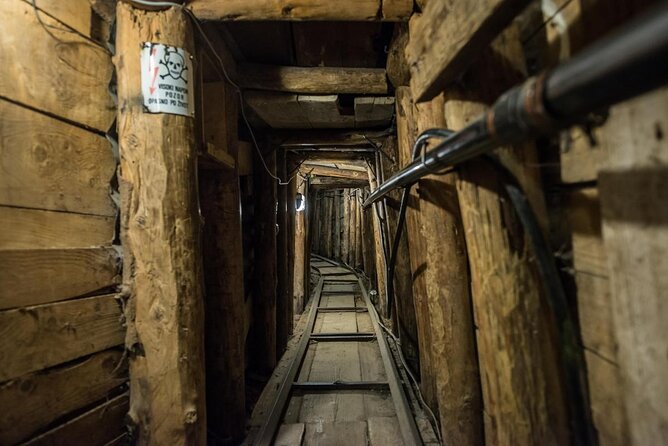
- Tunnel of Hope (1993–1995) as the city’s only bloodline connection to the outside world
- Trebević/Vidikovac viewpoint time for understanding the “why” behind the war lines
- Olympic bobsleigh and luge track walk where sport infrastructure became strategic terrain
- Jewish Cemetery stop focused on sniper positions and the first attacks on civilians
- A route that combines history + sightlines, not just plaques and dates
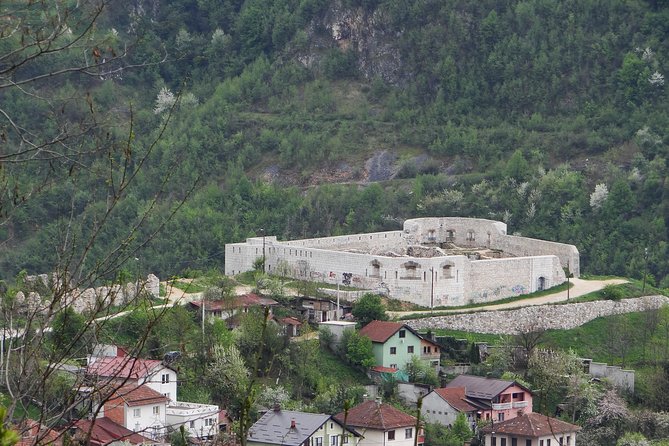
Yellow Fortress: Getting Your Bearings on Sarajevo’s Siege Geography
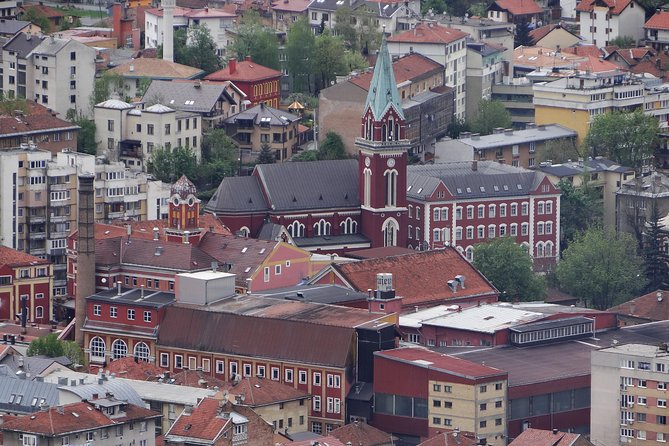
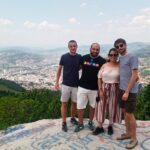
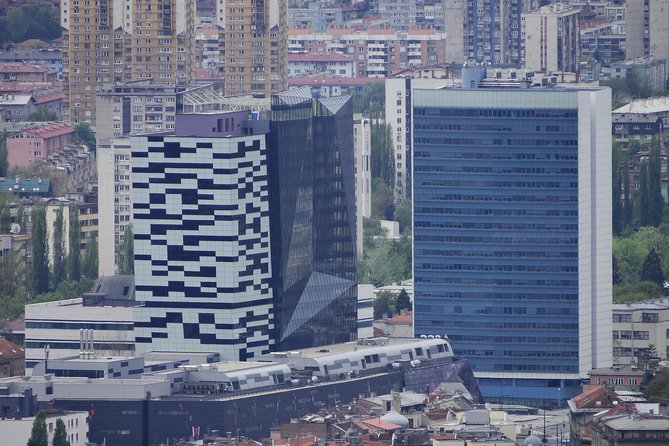
The Yellow Fortress stop is where the tour quietly grabs your attention and refuses to let you stay in tourist mode. You get a view down toward the Sarajevo valley, which matters because the siege wasn’t only about weapons. It was about control of lines of sight, approaches, and movement, and this viewpoint helps you grasp that.
You’ll also be introduced to Sarajevo’s siege timeframe and the wider collapse of Yugoslavia, so the story has context before you move into the most painful details. Expect about 20 minutes here, and the guide uses the terrain to explain how the city became surrounded—how certain streets and cross-sections turned into deadly corridors.
What I like about this beginning is the logic. Instead of jumping straight to the Tunnel of Hope, you’re learning the map in your head first. And once you’ve got that mental map, the later stops click faster. The only drawback is that the tone starts serious right away, so if you’re hoping for a casual first stop, this isn’t it.
You can also read our reviews of more tours and experiences in Sarajevo.
- Fall of Yugoslavia, Sarajevo War Tour with Tunnel of Hope Museum and Frontlines
★ 5.0 · 1,314 reviews
The Siege Times Core: War Life Explained Through Streets and Protest Days
After the valley orientation, the tour shifts into “how it felt” territory. This section focuses on war life in Sarajevo during what the tour describes as the longest siege period in the world, and it doesn’t treat the subject like abstract history.
You’ll hear about the early days of city attacks and about sniper street cross-sections—basically, the tour translates the idea of line-of-fire into the layout you can actually imagine. There’s also an emphasis on how the wider world reacted, including the idea that a single explosion shocked people globally but did not stop the killing of innocent civilians. That’s a strong, unsettling point, and it sets the emotional temperature for the rest of the route.
One of the most striking parts is the attention to civil resistance. The tour references 4,500 civilian protest days against the war in Bosnia and Herzegovina and in the former Yugoslavia. That’s a detail I think many people miss when they only focus on battles and casualty counts. Here, you get a reminder that civilians kept pushing back, even under pressure.
Practical tip: this part is the time to ask yourself what you want from the day—facts only, or facts plus meaning. Either way, you’ll come away with a clearer sense of how the city operated under siege conditions.
Sarajevo War Tunnel: The Tunnel of Hope as the Only Lifeline
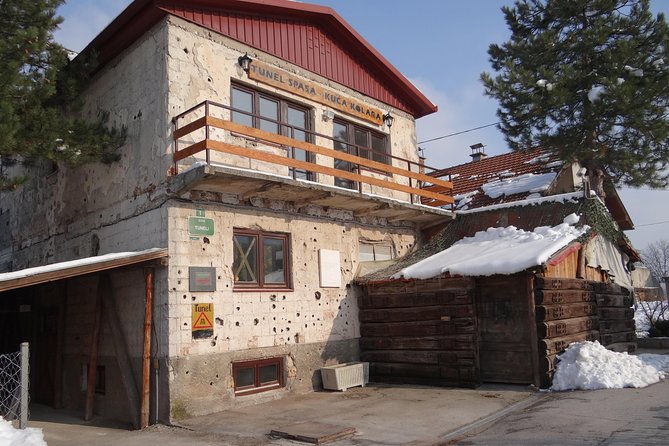
If you care about understanding how people survived, this stop is the anchor. The Sarajevo War Tunnel, often called the Tunnel of Hope, was the city’s lifeline during 1993–1995. The tour explains it as the only bloodline for Sarajevo at the time, the only way out of the city, and the only connection to the rest of Bosnia and beyond.
You’ll have about 1 hour here, and the focus stays on function and consequence. It’s not just a story about engineering or architecture. It’s about logistics: where movement could happen, how survival depended on one narrow possibility, and how people used that route when everything else was cut off.
This is also one of those moments where the tour does something smart: it makes the tunnel relatable by tying it back to what you learned at the fortress viewpoint. You begin to understand why escape wasn’t simply a matter of willpower. It was a matter of physical access and controlled terrain.
Two practical considerations: first, plan to be mentally present. This is where the sadness often hits hardest. Second, bring your questions. If you want clarity on how the siege constrained daily life, this is a great place to ask the guide to connect the dots.
Trebević Vidikovac: Panoramic Views That Explain the War Lines
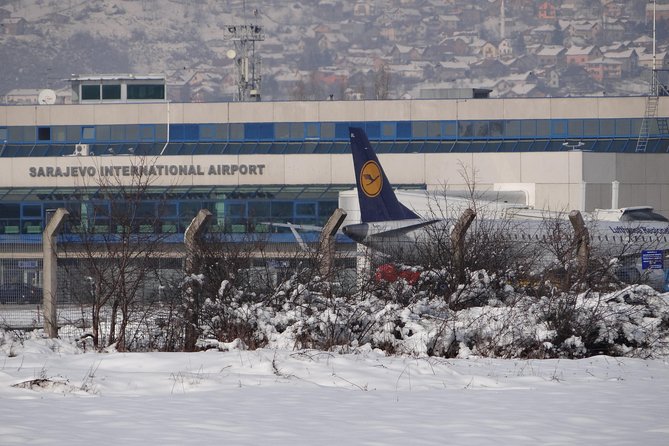
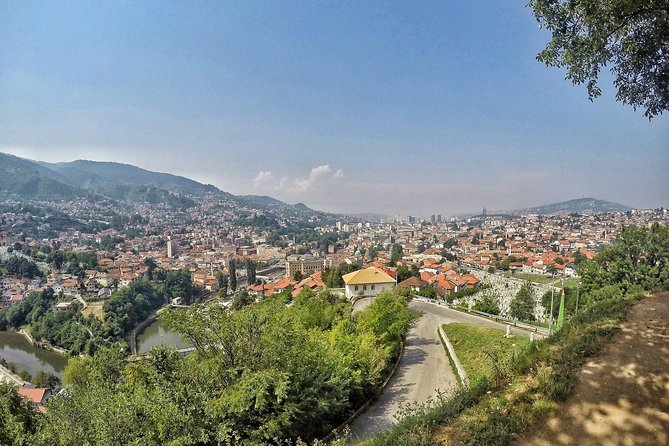
After the Tunnel of Hope, you’ll get a shorter stop—about 15 minutes—at Trebević Vidikovac for panoramic views over Sarajevo valley. This is quick, but it does an important job: it gives your eyes the big picture your brain needs.
From a height and angle like this, the “surrounding” concept becomes less abstract. The tour uses these sightlines to reinforce how the war line worked and why certain locations mattered. Even if you think you already understand the siege story from reading, the viewpoint often changes what you picture in your mind.
I also like the pacing choice here. Coming out of a heavy tunnel visit, a brief outlook stop gives you a moment to regroup without switching into sightseeing-only mode. You’ll still be seeing the same city, but with a different lens.
The only drawback is time. Fifteen minutes can feel quick if you like to linger. If you’re the type who takes a long look at views, arrive prepared to move your camera fast and then spend your attention on the guide’s explanations.
Olympic Bobsleigh and Luge Track: When Sport Became Strategy
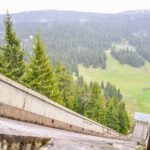
Next comes a guided, about 50-minute walk around the Sarajevo Olympic bobsleigh and luge track area. The tour frames this as a war line during siege times, which is a jarring idea in the best way. You’re used to imagining sports venues for sport. Here, you’re asked to notice how structure, elevation, and access points can be repurposed in conflict.
This is the kind of stop that makes the siege feel physical. You’ll be walking through a space where the terrain itself likely influenced movement and targeting decisions. You get a closer look at why geography can turn a normal environment into strategic ground.
A good way to get value here is to keep connecting. Every few steps, ask yourself: what can be controlled from here? What routes would be easiest? What would be hard? The tour’s explanations encourage that exact mindset.
One caution: since it’s an outdoor walk, wear shoes that handle uneven surfaces and plan for weather. The tour does require good weather overall, so your comfort level will depend on conditions.
- Fall of Yugoslavia, Sarajevo War Tour with Tunnel of Hope Museum and Frontlines
★ 5.0 · 1,314 reviews
Jewish Cemetery: Sniper Positions and the Cost in Human Lives
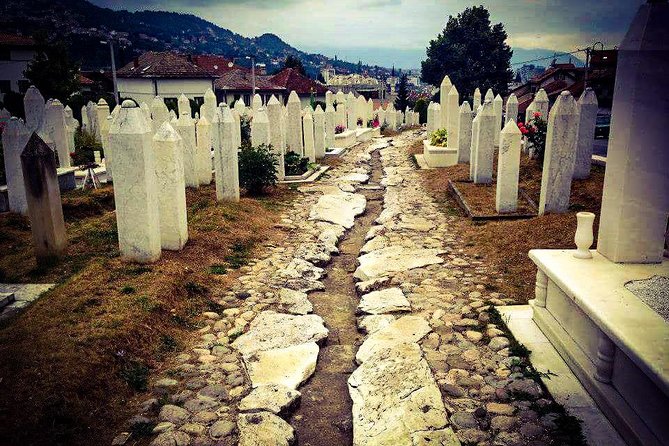
The Jewish Cemetery stop is timed for about 20 minutes and is one of the most emotionally direct points on the route. The tour discusses war sniper positions and includes the detail that the first sniper shoots at civilians.
That single sentence carries a lot of weight, and it changes the way you look at the site. This isn’t a “compare-and-contrast architecture” kind of visit. It’s about recognizing how violence targeted ordinary people and how specific positions could make that violence systematic.
I appreciate that the tour doesn’t treat this as a generic stop. Instead, it ties the cemetery’s role to the siege’s tactics, which gives you context for why the guide is asking you to pay attention.
If you’re sensitive to reminders of violence, this is the moment to slow down. Take a breath. Look, listen, and let the guide’s words land at your pace. Even though the visit is brief, it can feel long in the heart.
What Makes This Tour Stand Out: Faruk’s Personal War Memory
The tour’s biggest strength is how it’s taught. In the best moments, it feels like you’re learning the city through a person, not through a script.
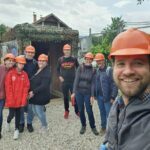
In particular, the guide Faruk is highlighted as someone who lived through the war as a young teenager. That matters because he can connect geography to memory in a way that feels precise, not just informative. He explains how the area’s layout was used to surround the city, and that kind of connection can make the story suddenly make sense in your body.
There’s also a human touch. Even with heavy content, Faruk’s style is described as friendly, with a good sense of humour. That balance is practical, not decorative. It keeps the tour from becoming one long wall of tragedy, and it helps you keep listening.
How to get more from the experience: don’t just watch the sites. Ask for the “why here?” behind what you’re seeing. When a guide can tie place to lived experience, those questions usually unlock the best answers.
Price and Value: What $47.66 Gets You (and What Costs Extra)
At $47.66 per person for a 3 to 4 hour experience, this tour is priced like a focused, guided day activity rather than a quick photo stop. You’ll get an admission fee included for the stops listed in the route, plus a route that covers multiple siege-relevant locations in one go.
There is one key extra cost you should plan for: entrance to the Tunnel of Hope is €10.00 per person. If you’re budgeting tightly, treat that as part of the real all-in cost, not a surprise later.
Why the price can feel fair: you’re not only paying for entry into places. You’re paying for interpretation—turning terrain, cross-sections, and sightlines into something you can understand. And you’re not just buying history. You’re buying a structured way to see how the siege worked on the ground.
Also, the tour includes pickup from hotels or private accommodations. That can add real value in Sarajevo, because it reduces the “figure out logistics” burden and keeps your start time smooth.
Timing, Pacing, and How to Prepare for a 3–4 Hour Route
The start time is 8:30 am, with timed stops ranging from about 15 minutes to about 50 minutes. That structure matters because it keeps the day from turning into a random list of sites. You’re moving through the story step by step.
You’ll likely want to arrive rested. The content is serious, and the day includes outdoor time: the Trebević viewpoint and the bobsleigh/lugetrack walk are both weather-dependent. The tour also requires good weather, so keep an eye on forecasts and be ready for schedule changes if conditions are poor.
A practical prep checklist:
- Wear comfortable shoes with grip for outdoor walking
- Bring water, especially if the morning is warm
- Keep your phone charged for the day’s transit and photos
- Come ready to listen, not just look
You don’t need special travel skills to participate, and it’s a private tour/activity for your group. That tends to make it easier to ask questions without feeling rushed.
Should You Book This Sarajevo Siege Tour?
I’d book it if you want more than a highlight reel. This tour is for people who want to understand how Sarajevo’s geography shaped siege life, and it does that with a route built around sightlines and real war infrastructure.
I’d skip it or reconsider only if you’re looking for light, casual sightseeing. The story includes sniper positions, civilian targeting, and the grim reality of survival under siege. For the right mindset, that weight is exactly what makes the experience meaningful.
One more deciding factor: the guide Faruk’s personal memory. If you value human perspective over dates alone, this is a strong reason to choose this tour over a generic museum-and-photo day.
FAQ
How long is the Sarajevo Siege Times and Tunnel of Hope tour?
It runs about 3 to 4 hours total, with multiple timed stops throughout the morning.
What’s the meeting time and does it include pickup?
The tour starts at 8:30 am, and pickup is offered from hotels or private accommodations. You just share your hotel name or address in advance.
Is the tour in English?
Yes, the tour is offered in English.
What does the price include, and what costs extra?
The price includes admission fees for the listed stops. Entrance to the Tunnel of Hope costs an additional €10.00 per person.
Is this a private tour?
Yes. Only your group participates, and it’s offered as a private tour/activity.
What if the weather is bad?
The experience requires good weather. If it’s canceled due to poor weather, you’ll be offered a different date or a full refund.
You Might Also Enjoy
More Tour Reviews in Sarajevo
- Fall of Yugoslavia, Sarajevo War Tour with Tunnel of Hope Museum and Frontlines
★ 5.0 · 1,314 reviews