REVIEW · SARAJEVO
Sarajevo Under Siege: A City’s Struggle & Survival Tour
Book on Viator →Operated by Toureedoo - Sarajevo City Tours · Bookable on Viator
A city remembers in stone and stories. This tour helps you understand the Siege of Sarajevo (1992–1995) through real places, from high viewpoints to the underground lifeline of the War Tunnel. I especially like how it connects the big political story to what daily life meant for people on the ground, and I like the added context about Yugoslavia’s breakup and the Dayton peace process. The only real drawback: you’ll be walking through heavy topics, so keep your expectations respectful and your heart ready.
You’ll join a small group (max 10) and spend about 3 hours 30 minutes on the move. I also value the guide-led approach here—guides like Safet and Adnan have been praised for being friendly, fun, and clear in explaining what you’re seeing.
In This Review
- Key things to know before you go
- A 3.5-hour Sarajevo walk built around survival
- Value check: what you get for $45.38
- Meeting point and how to pace yourself
- Yellow Fortress: the view that sets the siege scene
- Sniper Alley: when a street becomes a survival map
- Asim Ferhatovic Hase Stadium: Olympic memories under siege
- Sarajevo War Tunnel: the underground connection under the airport
- Jewish Cemetery Sarajevo: remembrance as part of the siege story
- Sarajevo Roses and the symbolism of endurance
- Why Yugoslavia’s breakup, Dayton, and independence are part of the same story
- Who this tour fits best
- Should you book Sarajevo Under Siege?
- FAQ
- How long is the Sarajevo Under Siege tour?
- What does the tour cost?
- Where does the tour start?
- What’s included in the price?
- What is not included?
- How many travelers are in a group?
- What time does the tour begin?
- Is there free cancellation?
Key things to know before you go
- A siege-focused route, not a general city tour: you’ll learn how survival worked street by street and day by day.
- Yellow Fortress sets the context fast: it’s the quick orientation you need before the darker stops.
- Sniper Alley gives the danger a real shape: you’ll see why some streets mattered more than others.
- The War Tunnel is the museum moment: the underground connection under the airport is the heart of the story.
- You’ll also cover symbolism and remembrance: including Sarajevo Roses and the Jewish Cemetery’s role.
A 3.5-hour Sarajevo walk built around survival
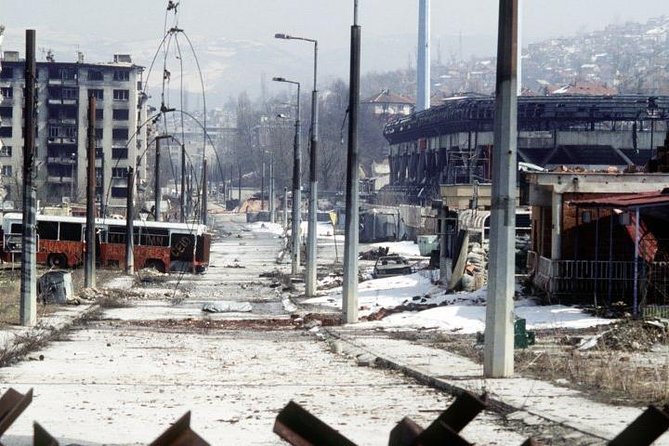
Sarajevo Under Siege is the kind of tour that gives you context without turning it into a lecture hall. The timing is just right: about 3 hours 30 minutes, long enough to cover several meaningful stops, but not so long that you feel stuck in one place for hours.
What makes it work is the sequence. You start with viewpoints and introduction material, then move toward the places where the siege became personal—danger on streets, the stadium’s role during major moments, and the physical fact of the underground tunnel. If your goal is to understand what independence cost and why peace took the form it did, this route keeps bringing you back to the human side.
You can also read our reviews of more city tours in Sarajevo
Value check: what you get for $45.38
At $45.38 per person, you’re paying for more than a guide. The tour includes transportation, a tour guide, and entrance fees. Meals are not included, so plan on grabbing food before or after—especially if you’re doing it as a morning activity.
The real value is how the included entrance time is concentrated. The War Tunnel museum stop is the longest portion (about 50 minutes), and that’s the place where you’ll likely want time to look closely, read signs, and absorb the idea of an underground lifeline. In other words: you’re not paying for a long ride with a quick photo stop. You’re paying for access and guided interpretation.
Meeting point and how to pace yourself
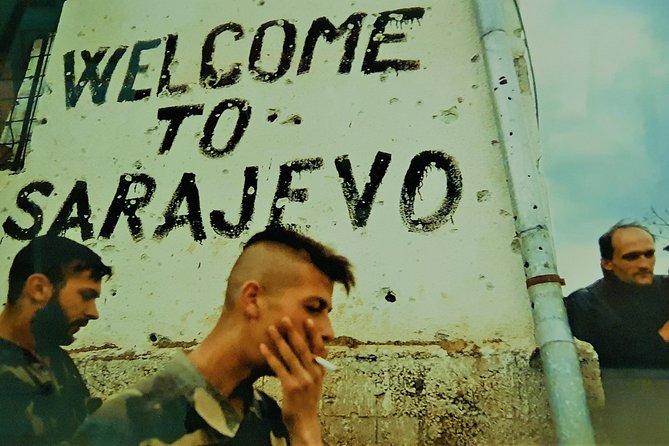
You’ll meet at Toureedoo – Sarajevo City Tours at S.H, Muvekita 7, Sarajevo 71000, Bosnia and Herzegovina. The start time is 10:30 am, and the tour returns to the same meeting point at the end.
The group is capped at 10 travelers, which matters more than you’d think. In a small group, questions are easier, and the guide can slow down when something needs explaining—especially for topics like the causes of Yugoslavia’s breakup and why Bosnia is often referred to as a small Yugoslavia in this kind of narrative.
Practical tip: this tour is mostly about learning, not sightseeing for photos. Wear comfortable shoes and be mentally ready for a timeline that covers the siege years and then fast-forwards to what life looks like today.
Yellow Fortress: the view that sets the siege scene
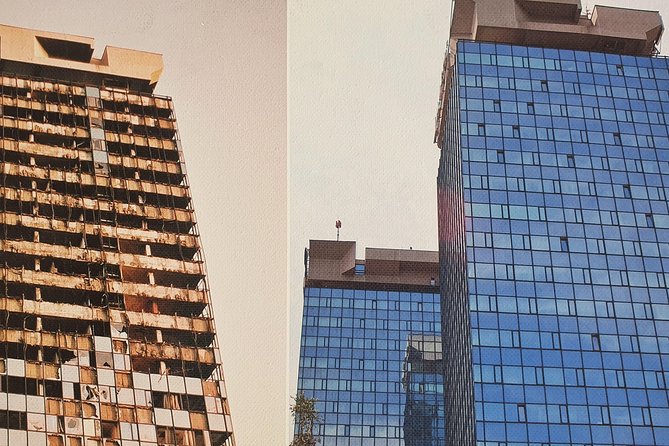
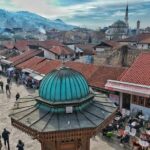
The first real stop is The Yellow Fortress, a viewpoint that gives you an immediate “now I get it” moment. You’ll spend about 15 minutes here, and the goal is orientation: the guide uses the sightlines to explain the siege context quickly.
Even if you know Sarajevo is surrounded by hills, this stop helps you connect that geography to what people faced. From higher ground, the city’s layout makes more sense, and the siege story stops being abstract. It’s a great primer before the tour heads into the streets and sites tied to danger.
If you’re the kind of traveler who likes to understand a city’s shape, this stop will feel especially useful. If you’re tired easily outdoors, you may want to take in the view and let your guide do the heavy interpretive lifting—this part is short on purpose.
Sniper Alley: when a street becomes a survival map
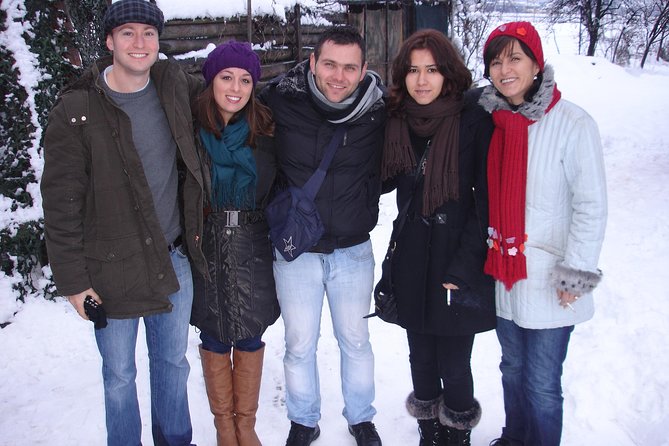
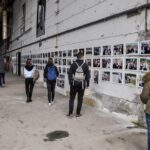
Next comes Sniper Alley, described as the most dangerous street during the siege of Sarajevo. This is not just a dramatic name; it’s the kind of place where a guide’s explanation helps you understand why everyday routes turned risky.
The tour gives you enough time to grasp the idea, without turning it into sensational theater. You learn why certain streets mattered, and how the siege affected daily movement—things like where people could safely go, how quickly danger changed, and what staying alive meant in a city under constant pressure.
One consideration: because the topic is intense, you might feel less interested in lingering for photos than usual. That’s normal. Focus on listening. The whole point of this part is to help you see the siege through choices people had to make.
- Fall of Yugoslavia, Sarajevo War Tour with Tunnel of Hope Museum and Frontlines
★ 5.0 · 1,314 reviews



Asim Ferhatovic Hase Stadium: Olympic memories under siege
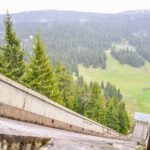
The route then moves to Asim Ferhatovic Hase Stadium, about 15 minutes. The tour connects the stadium to the Sarajevo Olympics and the opening ceremony—then brings you back to what happened to this famous venue during the siege.
This stop is a smart break from the most grim sites, but it doesn’t let the story drift. Instead, it shows the contrast between international celebration and local reality. The stadium becomes more than architecture; it becomes a symbol of what Sarajevo was trying to be, and what the war forced it to endure.
If you’re a sports fan, you might enjoy how the tour uses a familiar type of place to explain an unfamiliar period. If you’re not, don’t worry. The guide frames it in a way that stays tied to the siege and its impact, rather than sports trivia.
Sarajevo War Tunnel: the underground connection under the airport
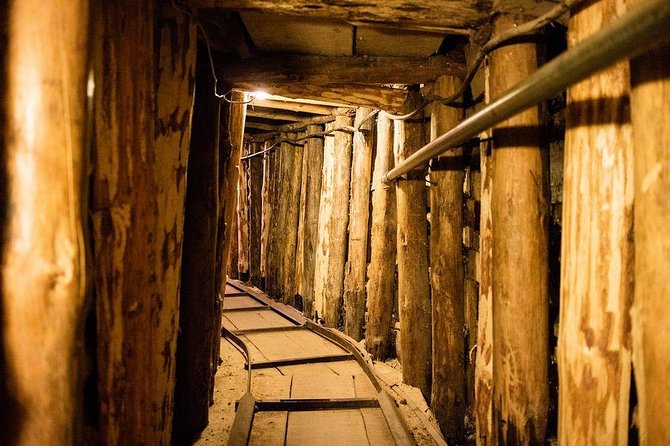
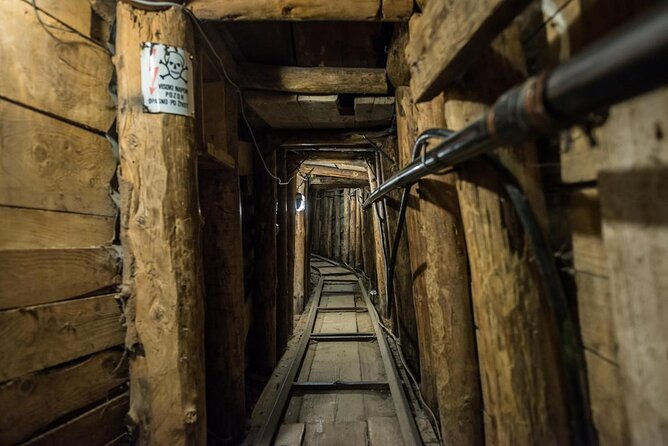
The Sarajevo War Tunnel is the museum stop you’ll remember. It takes about 50 minutes, with entrance included, and it’s where the tour’s survival message becomes physical.
Here’s the key idea the guide will explain: the tunnel was dug under the airport and served as the only connection with the rest of the world. That line alone reframes everything else you’ve heard. You’re no longer just learning about danger and shortages—you’re looking at the engineered workaround people built when normal routes stopped working.
This is also where Sarajevo’s story stops being purely political and becomes deeply practical. You can think of it as transportation, logistics, and hope all in one. Even without you needing extra background reading, the museum framing helps you connect the tunnel to life in a besieged city.
If you tend to get emotionally affected by war sites, take it slow here. Spend time on what the museum shows you, and don’t rush through just to “check the box.”
Jewish Cemetery Sarajevo: remembrance as part of the siege story
The final outside historical stop is the Jewish Cemetery Sarajevo, about 15 minutes, with the guide explaining its role during the siege.
Cemeteries can be tricky in tours because they’re often treated like scenic stops. This one is framed differently: it’s about meaning. The guide connects what happened during the siege to the way communities held onto remembrance and identity.
I like this inclusion because it broadens the story beyond trenches and famous buildings. You get a reminder that the siege affected every community and that survival has many forms—some visible, some carried quietly in memory.
Sarajevo Roses and the symbolism of endurance
The tour also covers the symbolism of the Sarajevo Roses. Even if you only half-remember this from books or photos, a guided explanation helps you understand why this symbol stuck.
Symbols matter because they let people say what words can’t. In a city under siege, symbolism becomes a signal: resilience, grief, hope, and the refusal to disappear. The guide’s job is to connect that meaning to the reality of the siege years, so you don’t just leave with an image—you leave with context.
This is also one of those parts where you’ll appreciate a good guide. If your guide is warm and clear (and guides like Safet and Adnan have been praised for exactly that sort of engaging delivery), the symbolism lands better.
Why Yugoslavia’s breakup, Dayton, and independence are part of the same story
One of the tour’s strengths is that it doesn’t treat the siege as a random tragedy. It sets up the political background in a way meant to help you connect causes to consequences.
You’ll hear about the causes of the breakup of Yugoslavia and why Bosnia is referred to as a small Yugoslavia. You’ll also learn why Bosnia paid the highest price for independence, and why finding solutions in the chaos of the 90s proved so difficult.
Then the tour tackles the complexity of the Dayton peace accords and what life is like today in Bosnia and Herzegovina. Even if you don’t master the full political framework in a 3.5-hour tour, you’ll get the big idea: peace didn’t arrive as a simple fix, and today’s reality carries the imprint of decisions made then.
If you’re the type who likes history but hates confusion, this is a good fit. The guide’s focus is on making the story understandable without pretending it’s easy.
Who this tour fits best
This tour is ideal if you:
- want to understand the siege through the places where it happened
- like guided context more than solo wandering
- prefer a smaller group experience (max 10)
- care about how symbolism and remembrance connect to history
It may be less ideal if you:
- get strongly overwhelmed by war-related topics
- are looking for a light, purely scenic city outing
- need a lot of free time for browsing on your own (this is guided and timed)
Should you book Sarajevo Under Siege?
Yes, if your goal is real understanding. For $45.38, you get a focused route, entrance included for the one stop that truly needs it (the War Tunnel), and transportation plus a guide to stitch everything together. The small-group size helps the explanations land.
Skip it only if you want a casual sightseeing day or you know you’re not up for intense material. Otherwise, this is one of the most direct ways to grasp how Sarajevo survived—and what that survival still means.
FAQ
How long is the Sarajevo Under Siege tour?
It’s approximately 3 hours 30 minutes.
What does the tour cost?
The price listed is $45.38 per person.
Where does the tour start?
You start at Toureedoo – Sarajevo City Tours, S.H, Muvekita 7, Sarajevo 71000, Bosnia and Herzegovina.
What’s included in the price?
Included are transportation, a tour guide, and entrance fee (including the War Tunnel museum stop).
What is not included?
Meals are not included.
How many travelers are in a group?
The tour has a maximum of 10 travelers.
What time does the tour begin?
It starts at 10:30 am.
Is there free cancellation?
Yes. You can cancel for a full refund if you cancel at least 24 hours in advance of the experience’s start time.
You Might Also Enjoy
More City Tours in Sarajevo
More Tours in Sarajevo
- Fall of Yugoslavia, Sarajevo War Tour with Tunnel of Hope Museum and Frontlines
★ 5.0 · 1,314 reviews

More Tour Reviews in Sarajevo
- Fall of Yugoslavia, Sarajevo War Tour with Tunnel of Hope Museum and Frontlines
★ 5.0 · 1,314 reviews