REVIEW · SARAJEVO
Sarajevo Full Day Tour: History, Culture, Nature, War & Olympics
Book on Viator →Operated by Tour Mage · Bookable on Viator
Sarajevo tells a hard story in one day. This 6–7 hour full-day tour strings together Vrelo Bosne nature, the siege explained at the Tunnel of Hope, and the Old Town’s Ottoman-to-modern layers, with included lunch and hotel pickup. I love the small group size (max 15), because guides like Enes and Ahmed can answer real questions instead of rushing you along. One thing to plan for: the day is packed, so you’ll walk and hop between sites, with only short stays at many stops.
You’ll also get bottled water during the tour and Bosnian coffee at Morica Han, which is a lovely reset in the middle of all that history. Some interiors are not included (like Sarajevo City Hall, Gazi Husrev-beg Mosque, and the Jewish Museum), so if you care about going inside, bring a little extra cash for tickets.
In This Review
- Key highlights
- What $114.45 buys you in Sarajevo
- Pickup, pacing, and the small-group advantage
- Vrelo Bosne Springs: start with nature, not monuments
- Tunnel of Hope: siege engineering and human stories
- Sarajevo’s Olympic track relics, and how war changed the setting
- Yellow Fortress panoramas, Jewish cemetery, and the war geography
- Sniper Alley in the city center: where stories feel close
- Old Town shopping streets, Ottoman markets, and the rhythm of Bascarsija
- Lunch, Bosnian coffee, and a needed reset at Morica Han
- Latin Bridge to the Meeting of Cultures: symbols you can’t ignore
- Sarajevo’s major faith sites: what to expect and what may cost extra
- Comfort tips for a packed 6–7 hour route
- Should you book this Sarajevo full-day tour?
Key highlights
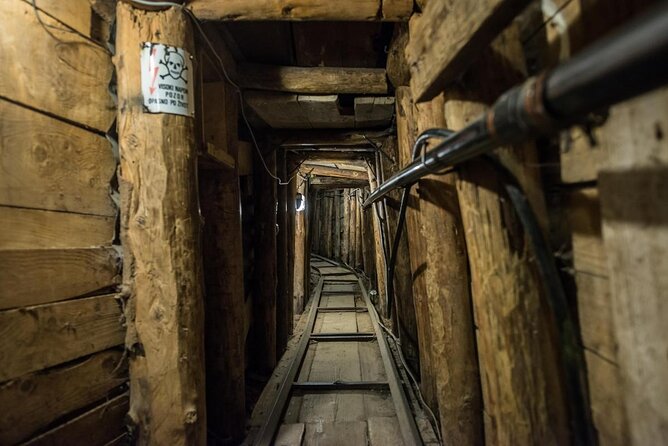
- Tunnel of Hope siege context in plain language that makes the war feel real, not abstract
- Max 15 people for better guide attention and more time for questions
- Vrelo Bosne first so the day starts with nature, not trauma
- Olympic bobsleigh and luge track tied to 1984 history and the war’s front line
- Old Town walking circuit from Latin Bridge to Bascarsija, with Ottoman markets and major faith sites
What $114.45 buys you in Sarajevo
At $114.45 per person for a 6–7 hour day, the value is mostly in what’s included upfront. You get air-conditioned transport, your guide, bottled water, hotel pickup, lunch, and entrance fees for the two big paid stops: Vrelo Bosne and the Tunnel Museum.
Many of the other sights on the route are free to enter, which keeps the day from turning into a constant ticket-buying exercise. That makes it easier to manage your budget and still hit the major landmarks: viewpoints, bridges, Ottoman market streets, and key religious buildings.
The only “budget watch” is that a few interiors are listed as not included. Sarajevo City Hall inside, Gazi Husrev-beg Mosque, and the Jewish Museum are the places where you may want to pay extra if you want to go in.
You can also read our reviews of more historical tours in Sarajevo
Pickup, pacing, and the small-group advantage
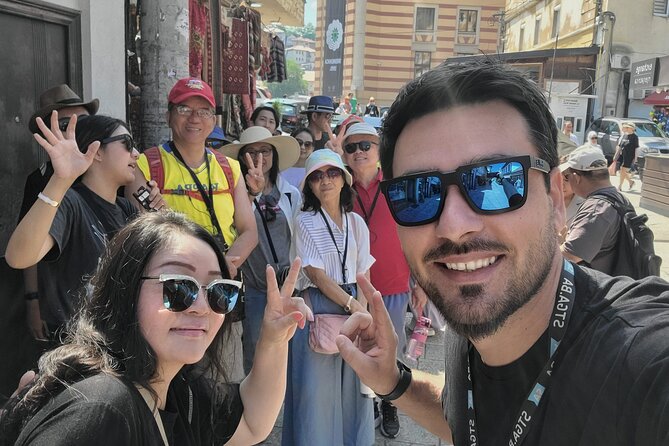
This tour starts at 9:00 am, and pickup is offered from your hotel lobby or another Sarajevo location. The small group cap of 15 people is not a throwaway detail; it affects how much your guide can manage. With fewer people, it’s easier to hear explanations at each stop, and you’re more likely to get direct answers instead of quick-and-done history.
The pacing is tight. You’ll be moving through Sarajevo in a logical order—nature outside the core, then war history, then city viewpoints and Old Town walking—so you see a lot without doubling back. Just expect short stops at several photo points. If you like to linger, plan to rely on your guide’s best “what to see in five minutes” guidance and then revisit later on your own.
The tour runs in English, and you use a mobile ticket. That combination is handy when you’re switching between paid and free sites through the day.
Vrelo Bosne Springs: start with nature, not monuments
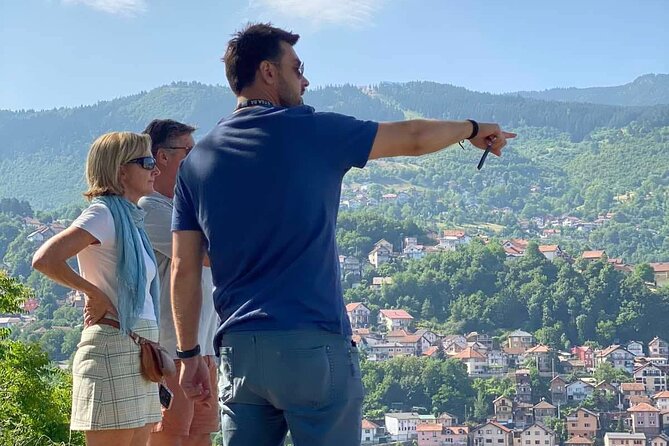
The day begins at Vrelo Bosne (Bosna River Springs), Sarajevo’s main nature park and the place that connects the city’s identity to the Bosna River. With admission included and about 40 minutes here, it sets a calm tone early.
This is more than a pretty warm-up. It helps you understand why Sarajevo matters beyond buildings. When you can picture the surrounding greenery and the river system, the later viewpoints feel more grounded, because you’re not just memorizing names—you’re seeing the geography those events unfolded in.
Practical note: even on sightseeing days, you’ll be grateful for shoes with grip. Park paths and quick photo walks add up, even when the stays are brief.
Tunnel of Hope: siege engineering and human stories
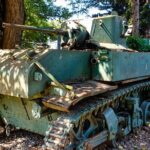
Then comes the heaviest part: the Sarajevo War Tunnel, often referred to as the Tunnel of Hope. You’ll spend about 40 minutes here, and the entrance fee is included.
This isn’t presented like a vague war museum. The tour is designed to connect the siege of Sarajevo to something you can picture: how people lived, how the tunnel worked, and why it mattered so much. Multiple guides on this route are praised for making it emotionally clear—sharing personal family experiences from childhood during the siege is a big reason people call this tour enlightening.
Look at this stop as the tour’s turning point. After Vrelo Bosne you get the setting; after the tunnel you get the stakes. That’s why the rest of the day lands differently, including the sniper-related streets and the survival-focused Old Town stories.
Sarajevo’s Olympic track relics, and how war changed the setting
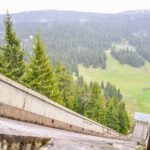
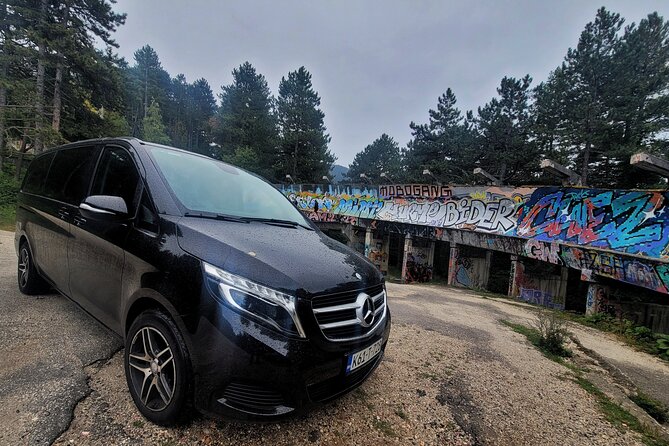
Next you’ll visit the Sarajevo Olympic Bobsleigh and Luge Track, tied to the 1984 Winter Olympics. About 40 minutes are allotted, and entry is free.
The best way to think about this stop is contrast. You’re seeing an Olympic training site, but you’re also hearing how it was affected by the war and how it ended up on the front line. The guide’s job is to help you visualize the shift from sports infrastructure to wartime reality, and that’s where this stop becomes more than a roadside attraction.
If you’re hoping for a full museum experience, don’t expect that here. The value is in the context and viewpoint-type photos—where the track is, what you can see nearby, and how the story connects back to the city.
You can also read our reviews of more tours and experiences in Sarajevo
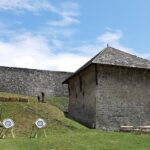
Yellow Fortress panoramas, Jewish cemetery, and the war geography
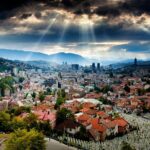
As you move toward the city’s higher points, you’ll stop at the Yellow Fortress. It’s a panoramic spot with about 30 minutes allocated, and entry is free.
This is your “see the map” moment. From above, Sarajevo’s layout and hills make more sense. And because later stops tie directly to siege-era survival, the fortress viewpoint becomes a reference point for the guide’s explanations.
After that, you’ll visit the Jewish Cemetery Sarajevo (about 30 minutes, free). The tour frames this site as part of Sarajevo’s Jewish heritage and also as a place tied to sniper positions during the siege.
That means you should treat this stop with respect and patience. Some cemeteries are best understood slowly, but your time here is short, so let your guide set the pace and focus on the key stories that give the place meaning.
Sniper Alley in the city center: where stories feel close
Now you’ll drop into the city center, where Sarajevo is often referred to as having the feel of sniper alley. This stop is about 1 hour and entry is free, with the guide walking you through the idea of the war’s urban front line.
Expect to see and talk about major landmarks connected to the siege narrative, including:
- the war hotel
- the so-called Bosnian Rome area
- Juliette Bridge
The guide will also connect this area to UN forces, journalists, and others who helped Bosnia and Sarajevo survive. In the feedback this tour has received, people keep coming back to the way guides explain the day-to-day human reality behind those headlines.
One consideration: this is emotionally loaded material, and the walk can feel intense even when the pace is smooth. Give yourself permission to pause for photos without guilt. Your guide is there to help you understand, not to keep you on a sprint.
Old Town shopping streets, Ottoman markets, and the rhythm of Bascarsija
Once you’re back in the core, you’ll shift into classic Sarajevo Old Town energy: trading streets, covered markets, clock-tower symbolism, and landmark bridges.
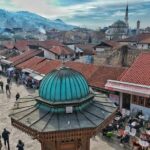
You’ll pass by Kazandžiluk (Copper smith street) for about 10 minutes. It’s quick, but it’s the right kind of stop if you want authentic crafts culture without spending an hour shopping. Next is Bascarsija Square with Sebilj, also about 10 minutes. This is the heart of the Old Town—an easy place to orient yourself if you want to explore on your own later.
A big bonus here is that these moments don’t feel random. They’re woven into the guide’s story about East meeting West, and about how Sarajevo functioned as a trading hub through the Ottoman period and beyond.
You’ll also see the Old Sarajevo Clock Tower, where time is shown using lunar time. It’s only about 5 minutes, but it adds a distinctive touch that makes Sarajevo feel different from other Balkan cities.
Lunch, Bosnian coffee, and a needed reset at Morica Han
Lunch is included, and the day is long enough that this matters. It’s not just “food as a checkbox”—it’s a pacing tool. When you’ve been listening for hours, having a real meal break helps you absorb what came before.
Then later you’ll stop at Morica Han, about 20 minutes, where Bosnian coffee is included. This is a caravanserai-style setting (a kind of historic inn), and it’s one of the best places on the route to slow down for a moment. Coffee here is an experience in itself, but it also helps you reset before the final cluster of religious and memorial stops.
If you’re the type who likes to take notes, this is the time to do it. You’ll remember the names better once you’ve sat, relaxed, and watched the street life go by.
Latin Bridge to the Meeting of Cultures: symbols you can’t ignore
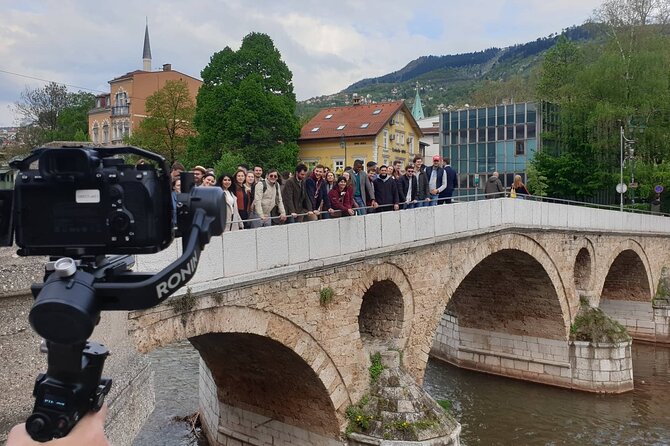
The day doesn’t just show you Ottoman and war sites; it also shows you the modern symbolic Sarajevo. Latin Bridge is one of those: the assassination site that triggered World War I. You’ll have about 15 minutes here, and entry is free.
It’s a short stop, but it changes your viewpoint. After the tunnel and sniper-area context, you start to feel how Sarajevo became a pressure point for bigger events—history moving from local streets into world headlines.
Right after that, you’ll see Gazi-Husrev Beg’s Bezistan, a covered market from the Ottoman era. This stop is about 10 minutes and free to enter. It’s the kind of place that works well in a short timeframe because it has strong visual cues: roofline, market structure, and the sense of trading space.
You’ll also have a tiny stop at Sarajevo Meeting of Culture (about 5 minutes, free). It’s brief, but it’s a perfect “wrap” point for the day’s theme: Sarajevo as a crossroads.
Sarajevo’s major faith sites: what to expect and what may cost extra
Toward the end, you’ll see key religious landmarks from multiple traditions. Several of these are free to enter, but some interiors are not included, so keep that in mind if a building’s interior is a must for you.
You’ll visit:
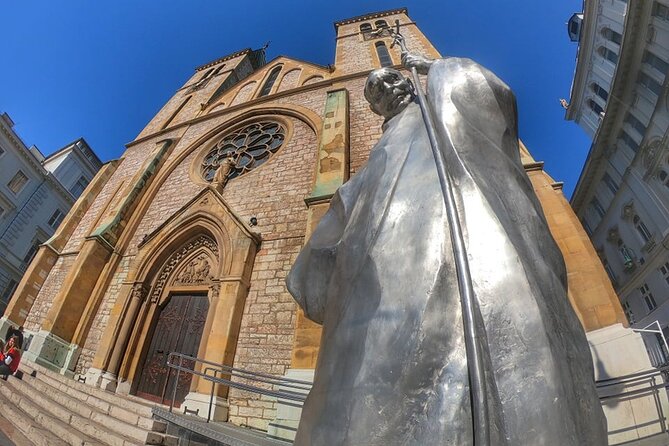
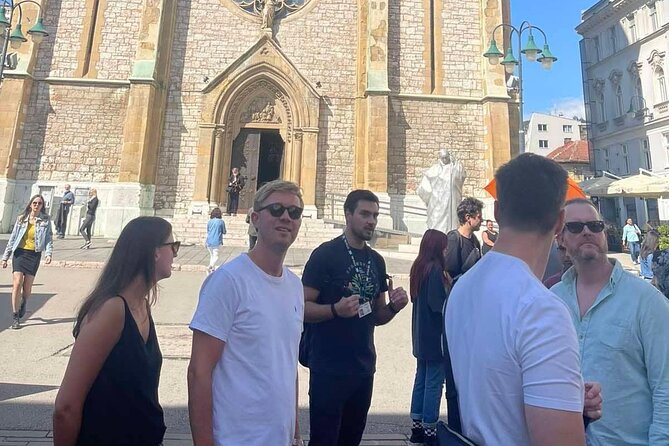
- Katedrala Srca Isusova (Catholic Cathedral), about 10 minutes, free entry
- Serbian Orthodox Cathedral, about 10 minutes, free entry
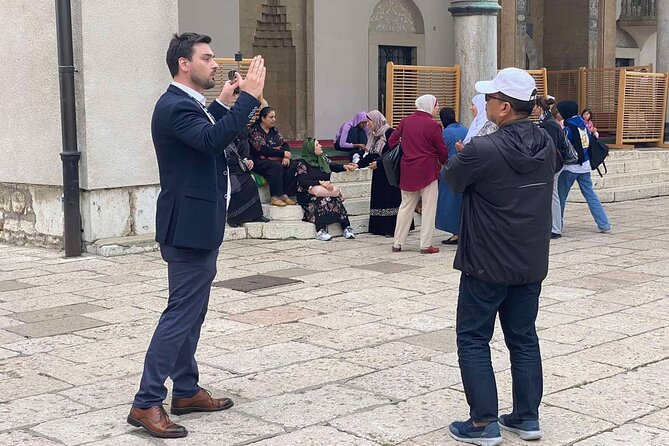
- Gazi Husrev-beg Mosque in Old Town, about 10 minutes, where the listing notes entry is not included
- Jewish Museum of Bosnia and Herzegovina, about 15 minutes, also not included
You’ll also stop at Sarajevo City Hall for about 30 minutes. Entry inside is not included.
Here’s the practical takeaway: treat this as a “see the landmarks and decide if you want the interior” section. If you’re interested in architecture and interior space, budget for a few extra tickets. If you mainly want the big visual anchors and the historical context, you can still get a full experience from the included stops and free entrances.
Comfort tips for a packed 6–7 hour route
This tour includes hotel pickup, lots of short stops, and a meaningful amount of walking in the Old Town. A few small choices will make the day smoother:
- Wear comfortable shoes with grip. Even short walks add up across parks and city streets.
- Bring a light layer. Elevated viewpoints and open areas can feel cooler.
- Bring your camera, but be ready for quick photo windows. Many key points are scheduled for short stays.
The logistics are built to keep you fed and hydrated, with bottled water and lunch included. Still, you’ll feel better if you plan for a full day rather than assuming every stop will be long.
Should you book this Sarajevo full-day tour?
Book it if you want one day that connects nature, siege history, and Old Town culture without guesswork. The strongest reason to choose this tour is the way the story is explained—especially at the Tunnel of Hope—when guides like Enes, Ahmed, Adnan, and Edis share their family perspective and translate difficult events into something you can actually follow.
You should consider skipping or adjusting your expectations if you’re the type who hates tight schedules or you need long time inside buildings at every stop. Interiors like City Hall, Gazi Husrev-beg Mosque, and the Jewish Museum may cost extra, and the day is designed for coverage more than lingering.
If your goal is to get your bearings fast and understand why Sarajevo looks the way it does—this is one of the best ways to do it in a limited time window.
You Might Also Enjoy
More Historical Tours in Sarajevo

More Tours in Sarajevo
- Fall of Yugoslavia, Sarajevo War Tour with Tunnel of Hope Museum and Frontlines
★ 5.0 · 1,314 reviews

More Tour Reviews in Sarajevo
- Fall of Yugoslavia, Sarajevo War Tour with Tunnel of Hope Museum and Frontlines
★ 5.0 · 1,314 reviews