REVIEW · SARAJEVO
Sarajevo War Tour: A Veteran’s Story of the Siege (fees included)
Book on Viator →Operated by Funky Tours · Bookable on Viator
A siege survivor’s Sarajevo is history with weight. This 4-hour tour takes you from Sniper Alley to the War Tunnel Museum and back to sweeping views from Mt. Trebević. You also get stops tied to civilian tragedy, not just battle facts.
What I like most is the first-hand perspective from a guide who lived through the siege, plus the way the route builds context stop by stop. You’ll also appreciate the practical value: admissions for the core sites are included, and the group is kept small (max 8). One drawback to plan for: this is emotionally heavy history, and some parts involve walking on uneven ground and from viewpoints/tracks.
In This Review
- Key Highlights You’ll Notice Right Away
- What You’re Paying For in Sarajevo (and Why It Feels Fair)
- Your Guide Sets the Tone: Veteran Story, Real Questions, No Performance
- How the Day Works: Pickup, Small Group, and Transport Comfort
- Stop 1: Funky Tours, Markale Markets, and the Children’s Memorial
- Sniper Alley at Hotel Holiday: The Siege Seen Through Streets
- War Tunnel Museum (Tunnel of Hope): Why This Stop Hits So Hard
- Trebević Mountain: Wartime Damage You Can Still See
- Trebević Vidikovac Viewpoint: The “Chess Game” Feeling
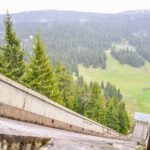
- Sarajevo Olympic Bobsleigh and Luge Track: Brutal Architecture, Then Graffiti
- Jewish Cemetery Sarajevo: Historical Importance Meets Siege Reality
- Value Check: Who This Tour Suits Best
- Tips to Get the Most Out of the Day
- Should You Book Sarajevo War Tour: A Veteran’s Story of the Siege?
- FAQ
- How long is the Sarajevo War Tour?
- How much does it cost per person?
- Is pickup offered?
- What language is the tour offered in?
- What’s included in the price?
- Is food included?
- Do I need to buy tickets for the War Tunnel Museum?
- How many people are in the group?
- Where does the tour start?
- Can I cancel for a full refund?
Key Highlights You’ll Notice Right Away
- A veteran-led experience: your guide is a Siege survivor and answers questions, even personal ones, in a direct, respectful way
- Sniper Alley views: you’ll pass the areas known for the most dangerous streets and positions
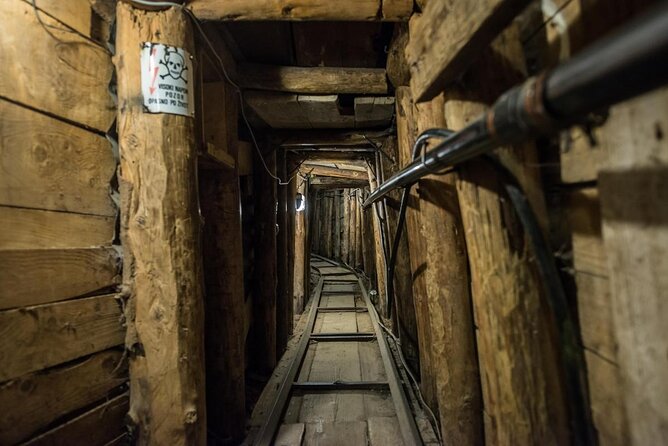
- Tunnel of Hope inside the museum: film, exhibits, then walking through the tunnel route itself
- Trebević Mountain wartime remains: minefield and bunker-era traces still visible in places
- Sarajevo Olympics sites with a war story: brutalist bobsleigh/luge architecture and graffiti at the old track
- A final stop with difficult context: Sarajevo Jewish Cemetery’s role as a front line and sniper nest during the siege
What You’re Paying For in Sarajevo (and Why It Feels Fair)
At $48.39 per person for about four hours, this isn’t trying to be a cheap bus tour. You’re paying for two things that matter in a place like Sarajevo: access to the right sites and interpretation from someone who experienced them.
The big practical win is that admission fees are built in, including the War Tunnel Museum entrance (listed as 10.5 EUR per adult and 2.5 EUR for children/students). That removes the annoying part of planning in a foreign city: you don’t have to figure out ticket lines while trying to keep the day flowing.
You can also read our reviews of more tours and experiences in Sarajevo.
- Fall of Yugoslavia, Sarajevo War Tour with Tunnel of Hope Museum and Frontlines
★ 5.0 · 1,314 reviews
Your Guide Sets the Tone: Veteran Story, Real Questions, No Performance
This tour is led by a professional guide who is also a Sarajevo War veteran/siege survivor. The style is not lecturing from a distance. It’s conversation-level history—your guide is meant to keep answering questions and even welcomes questions that get personal.
From what you’ll hear described on this tour, the best moments often come when the guide connects the big events to everyday life: what it meant to watch a city under threat, how normal routines got warped, and what the tunnel represented for people trapped inside the siege. Some guide names you might see with this operator include Enes, Mustafa, Adnan, Omer, Edo, and Ibrahim, though the exact person depends on your dates.
A word of caution: this is not a “light” introduction. If you prefer tidy, fact-only museum time, be ready for a day that hits harder and asks you to hold a respectful space.
How the Day Works: Pickup, Small Group, and Transport Comfort
The tour uses an air-conditioned vehicle, which is a real comfort in summer heat. Pickup and drop-off are offered if you need it, and the meeting point is Funky Tours at Besarina čikma 5, Sarajevo 71000.
You’ll be in a small group (maximum 8 travelers). That size matters here: it gives you room to ask questions without feeling like you’re interrupting a parade of strangers. The itinerary is listed as involving low walking, but “low” doesn’t mean zero effort—expect some walking between vehicle parking points and viewpoints/tracks.
You’ll also get a mobile ticket, which is convenient when you’re bouncing between stops and don’t want extra paper.
Stop 1: Funky Tours, Markale Markets, and the Children’s Memorial
You start at Funky Tours, then the guide sets the stage with the story behind the breakup of Yugoslavia and the siege of Sarajevo. This first phase is where your brain starts linking locations to meaning, not just street names.
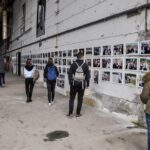
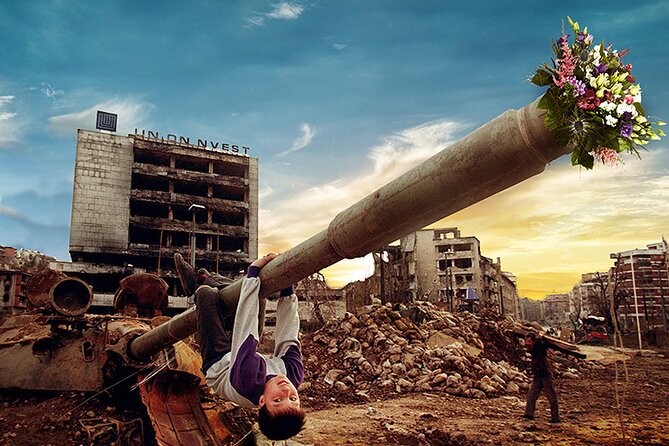
Right away, you’ll pass Markale Markets, described as the largest massacre site in Sarajevo during 1992–1995. You’ll also pass a memorial dedicated to 1,601 children murdered in Sarajevo during the same period.
These are short pass-bys, not long museum stops. The value is the way they frame the rest of the day: once you’ve seen these reminders, later stops (like Sniper Alley and the tunnel) don’t feel abstract. They feel like parts of one system built to crush daily life.
Sniper Alley at Hotel Holiday: The Siege Seen Through Streets
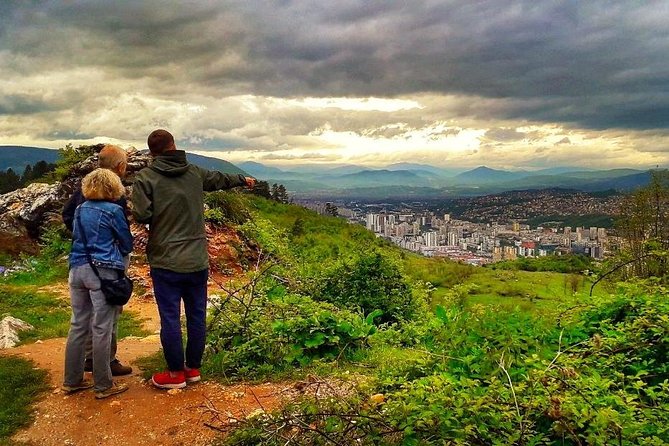
Next you head to Sniper Alley, tied to the Marijin Dvor area and the former Holiday Inn (now Hotel Holiday). During the siege, this area was known as one of the most dangerous parts of Sarajevo.
You’ll make a first stop at Hotel Holiday, and the guide connects it to the Olympics-era building. The hotel was built for the 1984 Sarajevo Winter Olympics, and during the siege it served as a place for foreign journalists and reporters covering the war.
In practical terms, this is a good segment for photography and orientation. In emotionally practical terms, it also shows how war reshapes cities: buildings become observation points, and even media infrastructure gets folded into the conflict.
- Fall of Yugoslavia, Sarajevo War Tour with Tunnel of Hope Museum and Frontlines
★ 5.0 · 1,314 reviews

War Tunnel Museum (Tunnel of Hope): Why This Stop Hits So Hard
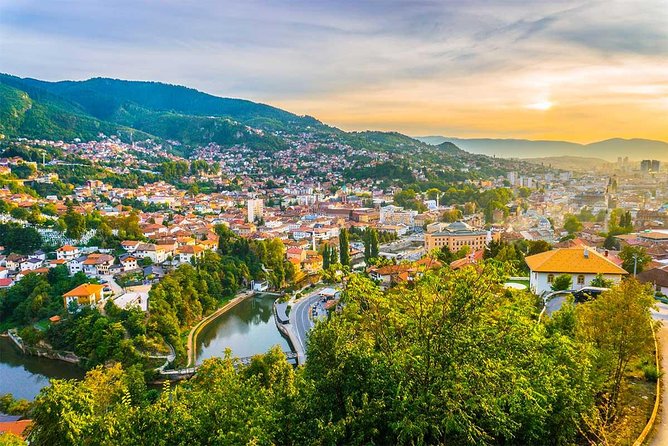
Then comes the central attraction: the War Tunnel Museum, Tunnel of Hope. It’s described as the major “blood vessel” for a heavily sieged city, which is the right mental framing. This wasn’t a symbolic idea. It was a practical route for survival.
At the museum, you’ll start with a short movie about the war and the tunnel. After that, you go through the tunnel itself. On top of that, the exhibition portion includes exhibits directly connected to the siege.
One of the most powerful parts of this day is that the tunnel experience is explained through your guide’s first-person storytelling. The tour is set up so you’re not just walking a reconstructed space—you’re getting context about how the tunnel worked, why it mattered, and how the larger political conflict fed into the siege.
The guide also addresses broader origins: the war on the Balkans, the death of Yugoslavia, and how Serbian nationalist leaders influenced people across the region. Since this is told through a person who lived it, you’ll likely hear strong certainty and lived perspective. That’s part of the value, but it also means you should treat it as one human viewpoint, not a neutral textbook.
Trebević Mountain: Wartime Damage You Can Still See
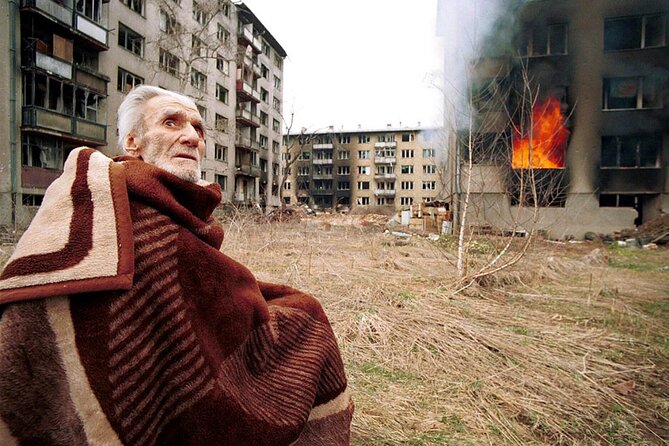
After the tunnel, you head to Mt. Trebević. This is where the tour shifts from “what happened” to “what the city still carries.”
You’ll see areas described as being on the first line during the siege and sites of battles, including locations such as Zlatište, Osmice, Trebević Vidikovac, and more. The tour also calls out features that you can still spot: bunkers, minefields, military tank tracks, trenches, and even bullet and grenade shrapnel.
You don’t have to love military history to feel the point. This stop forces you to understand the siege as a physical reality—ruins, scars, and the way a city holds onto the evidence of trauma even decades later.
A consideration: the tour lists free admission for these mountain viewpoints. Still, weather matters. If it’s rainy or very windy, walking around wartime terrain can feel more tiring and less pleasant.
Trebević Vidikovac Viewpoint: The “Chess Game” Feeling
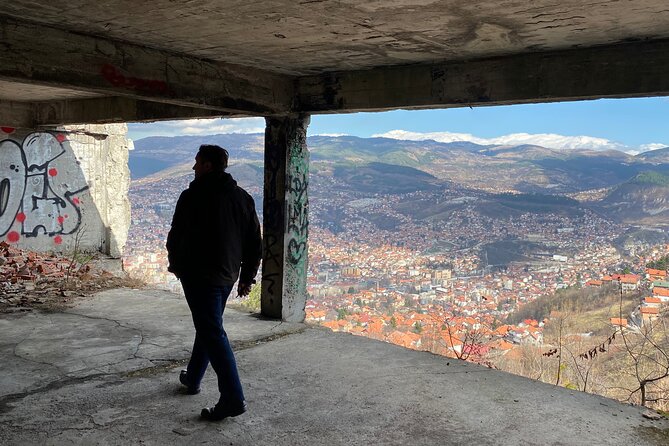
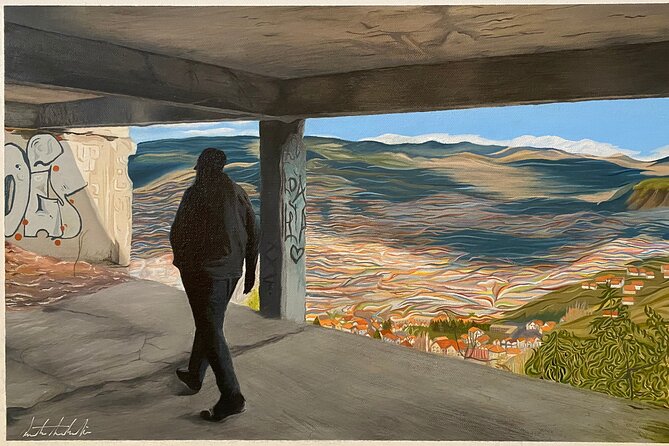
One of the most memorable segments for many people is the viewpoint stop at Trebević Vidikovac. The tour explains that this was the position of the Army of Republic of Srpska during the siege.
The guide’s explanation is meant to help you feel the siege like a strategic game. The pitch is that Sarajevo wasn’t just attacked randomly; it was targeted with positions meant to control movement, visibility, and pressure points.
Even if you don’t care about military strategy, this is a great human-scale experience: you’re looking down on a real city from a vantage that once mattered for survival. It gives you a fast mental map of Sarajevo and makes later streets feel connected.
Sarajevo Olympic Bobsleigh and Luge Track: Brutal Architecture, Then Graffiti
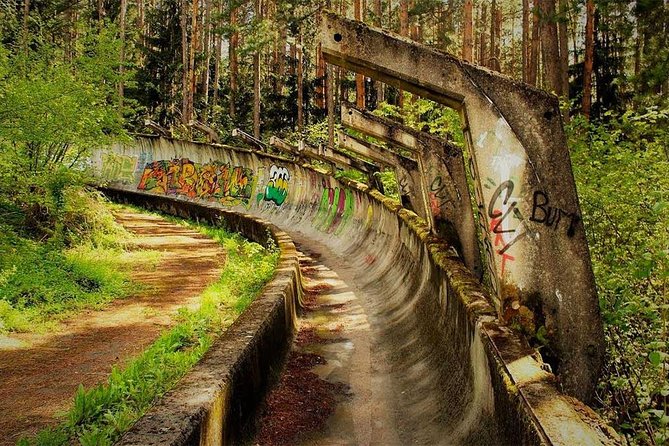
Then you’ll visit the Sarajevo Olympic Bobsleigh and Luge Track, originally built for the 1984 Winter Olympics. The tour frames it as a highlight because the site has both architectural interest and a war story.
During the siege, it’s described as standing on a main front line. Today, you can also admire the Yugoslavian brutalist architecture and understand why this kind of space can attract artists.
This stop is also known for graffiti—called out as artwork with pieces from artists around the world. If you like street art, this can feel like a striking contrast: war damage and political tension gave way to later creativity and public expression.
One small planning note: the tour is set up as low-walking, but the terrain around track areas can still involve some walking. If you have limited mobility, talk to the operator ahead of time so they can guide you to the easiest path.
Jewish Cemetery Sarajevo: Historical Importance Meets Siege Reality
On the return to the city, you end at the Jewish Cemetery Sarajevo. The tour highlights two sides of the site: its historical importance as one of the largest Jewish cemeteries in Europe, and its wartime role as a main front line and sniper nest for the Army of the Republic of Srpska.
This stop doesn’t just add another “war site.” It reminds you that the siege affected religious and civilian communities too. It’s also a quieter ending than the mountain and track segments, so it works well as the final moment when your emotions have caught up with your understanding.
Value Check: Who This Tour Suits Best
This is a strong fit if you:
- Want context on the Yugoslav wars and the siege, not just “look at this building” sightseeing
- Appreciate a small group format with time for questions
- Prefer history explained through lived experience, with room for discussion
It might be a tougher fit if you:
- Want a light, entertainment-first itinerary
- Struggle with emotionally heavy topics
- Need fully flat, fully predictable walking paths (even if the tour is labeled low walking)
Tips to Get the Most Out of the Day
Bring layers, especially for Trebević. Mountain views can mean wind and quick temperature changes.
Wear comfortable shoes. Even “low walking” can add up when you’re moving between vehicles, overlooks, and the tunnel area.
Come with questions. The tour is designed for them, and the best learning tends to happen when you ask what you actually want to understand—big politics, daily life, or what it felt like in the moment.
And when the history gets personal, keep the tone respectful. This tour’s credibility comes from empathy as much as from facts.
Should You Book Sarajevo War Tour: A Veteran’s Story of the Siege?
Yes, if you want Sarajevo with meaning. This is one of those experiences that changes how you see the city—because you’re not just observing the siege afterward, you’re hearing it explained by someone who lived inside it.
You’ll get real value for your money thanks to included admissions (especially the Tunnel of Hope entrance) and the small group setup that makes questions possible. Just go in knowing you’re signing up for a sobering day, not a neutral history stroll.
If you’re short on time in Sarajevo and want the most important sites connected to the siege, this tour is a smart, efficient choice. If you’re sensitive to hard history, consider whether you’re ready for a veteran-led account—and if you do book, be gentle with yourself during the heavier stops.
FAQ
How long is the Sarajevo War Tour?
The tour lasts about 4 hours.
How much does it cost per person?
The price is $48.39 per person.
Is pickup offered?
Yes. The tour includes address pickup and drop-off if needed.
What language is the tour offered in?
The tour is offered in English.
What’s included in the price?
Admissions fees to essential museums/attractions are included, along with War Tunnel Entrance Fee, pickup and drop-off, an English-speaking Sarajevo war veteran guide, all fees and taxes, and an air-conditioned vehicle.
Is food included?
No. Food and drinks are not included.
Do I need to buy tickets for the War Tunnel Museum?
No. The War Tunnel entrance fee is included in the tour price.
How many people are in the group?
The tour has a maximum of 8 travelers.
Where does the tour start?
The meeting point is Funky Tours at Besarina čikma 5, Sarajevo 71000, Bosnia and Herzegovina.
Can I cancel for a full refund?
Yes. Free cancellation is available up to 24 hours in advance for a full refund.
You Might Also Enjoy

More Tours in Sarajevo
- Fall of Yugoslavia, Sarajevo War Tour with Tunnel of Hope Museum and Frontlines
★ 5.0 · 1,314 reviews

More Tour Reviews in Sarajevo
- Fall of Yugoslavia, Sarajevo War Tour with Tunnel of Hope Museum and Frontlines
★ 5.0 · 1,314 reviews