REVIEW · SARAJEVO
Utopia of Tito’s Yugoslavia, Tito’s Bunker & Siege of Sarajevo
Book on Viator →Operated by Funky Tours · Bookable on Viator
Cold-war bunkers and siege ruins in one day. I love how this tour threads together Sarajevo’s siege survival with the absurd planning of Tito’s nuclear shelter, then adds Olympic-era stops that make the whole story feel personal. The small group size keeps the questions coming, and the pacing stays focused even when the topics turn heavy.
Two things I really like: first, you get into both must-see targets, the Sarajevo War Tunnel and Tito’s ARK D-0 bunker, in the same day. Second, the guide connects what you see on the ground to what it meant for daily life during the siege, from neighborhoods to mountain positions. One consideration: it’s a long day, and lunch isn’t included, so plan to eat before you run out of steam.
In This Review
- Key highlights that make this tour worth your time
- One long loop: how the 10-hour schedule actually works
- Konjic Bridge and the Bunker prequel you’ll appreciate later
- ARK D-0: stepping inside Tito’s nuclear command center
- Igman Olympic mountain: ski-jumps, the hotel, and a harder 1984 story
- Sarajevo War Tunnel: the Tunnel of Hope from museum to ground-level truth
- Olympic Village Dobrinja and Trebević’s front-line terrain
- Walking the Sarajevo bobsleigh and luge track after all that heavy history
- Jewish Cemetery Sarajevo: a place that served as a sniper line
- Practical value: what you pay for beyond tickets
- Who this tour fits best
- Should you book this Sarajevo day tour?
- FAQ
- How long is the tour?
- How much does it cost per person?
- Is hotel pickup included?
- What’s the group size?
- Is the tour in English?
- What are the main paid attractions included in the ticket?
- Is lunch included?
- Can I cancel and get a full refund?
Key highlights that make this tour worth your time
- Max 8 people means a more human, question-friendly day
- Two heavyweight sites: Sarajevo War Tunnel and ARK D-0 nuclear bunker
- Olympic leftovers with wartime weight on Igman and Trebević
- Underground + mountain viewpoints for a full siege-spectrum experience
- Extra stops beyond the headline sites, including Dobrinja Olympic Village areas and the Jewish Cemetery
One long loop: how the 10-hour schedule actually works
This is built as a tight morning-to-evening loop out of Sarajevo, starting at 8:00 am. You’ll ride in an air-conditioned vehicle with a professional English-speaking guide and driver, so you can focus on the story instead of figuring out routes.
Hotel pickup is included (from any hotel in Sarajevo), or you can meet at Funky Tours in the Old Town. In practice, the pickup helps a lot because you’re moving between sites that don’t cluster neatly on foot—Konjic, Igman, the tunnel, the mountains, and then back toward the city.
The day is about balance: big indoor experiences (bunker and tunnel) paired with outdoor places that let you understand why the siege happened where it did. That blend is the point. You’ll be on the move for hours, and you’ll walk at multiple stops, including uneven terrain near mountain viewpoints and ruined areas.
You can also read our reviews of more tours and experiences in Sarajevo.
- Fall of Yugoslavia, Sarajevo War Tour with Tunnel of Hope Museum and Frontlines
★ 5.0 · 1,314 reviews
Konjic Bridge and the Bunker prequel you’ll appreciate later
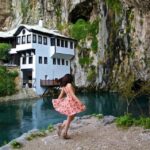
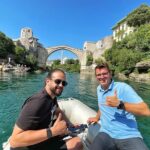
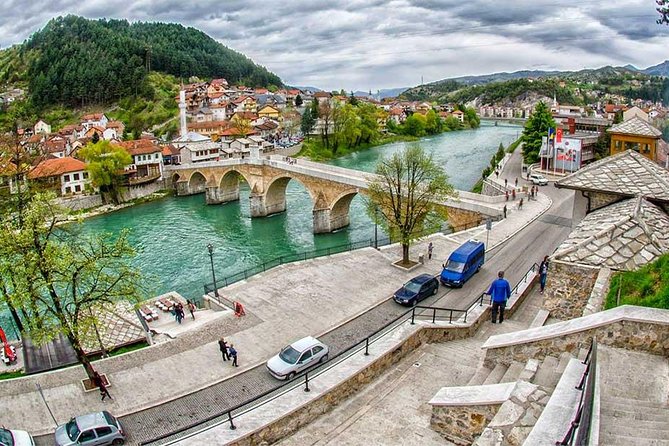
Your first stop is Konjic Bridge, a short visit to a much older riverside town than you might expect. Konjic is known for a 17th-century, 6-arch Old Bridge over the turquoise Neretva River, and the views tend to be bright and sunny.
This is also where the day quietly shifts into theme-setting mode. You’re looking at a place that feels calm and historic, and then you’re reminded that nearby is one of the most extreme Cold War projects ever built: Tito’s Nuclear Bunker (Facility D-0, ARK). It helps to have this gentle visual reset early, because the bunker visit later hits with a different kind of atmosphere.
Stop time is about 30 minutes and the admission is free. If you like photos, this is often a good window to grab them before the day turns colder and more intense.
ARK D-0: stepping inside Tito’s nuclear command center
The headline stop is ARK D-0, Tito’s nuclear bunker (also called Atomic War Command / Facility D-0). This place is not a museum of vibes. It’s built like a machine.
The bunker is described as a 6,500 m² construction that took 26 years to build. Its stated purpose was to survive a nuclear war and protect and manage command for up to 350 leaders and army generals. The plan reads like pure Cold War paranoia: shelter, command, and decision-making continuity under the worst-case scenario.
In the visit, you wander through the structure with your guide. The space is also connected to contemporary-art programming (it’s described as a venue for a biennial), so you may see setups that contrast sharply with the bunker’s grim mission. That contrast can work well: it pushes you to think about how societies process fear and power after the danger passes.
This is also where the guide storytelling matters. You’re not just walking corridors. You’re hearing how the bunker reflects broader Yugoslav anxieties, how that mindset connects to the fall of Yugoslavia, and why the consequences played out so rigidly later.
You’ll spend about 1 hour 30 minutes, and the entrance fee is included. As a value point, this is one of the few stops where your ticket actually covers a clearly listed paid attraction (the tour lists 10 EUR adult as included), so you’re getting direct money’s worth here.
Igman Olympic mountain: ski-jumps, the hotel, and a harder 1984 story
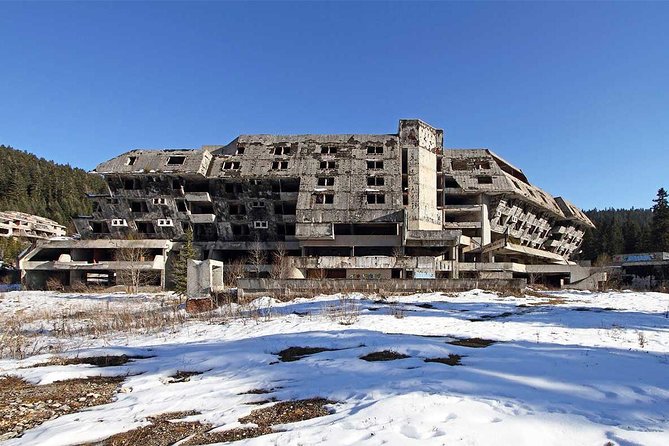
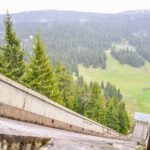
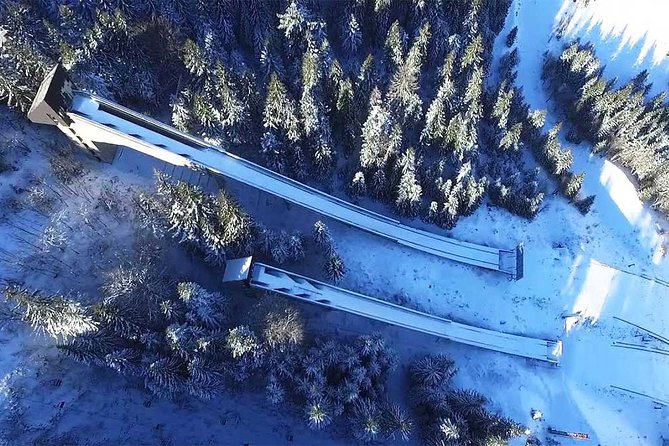
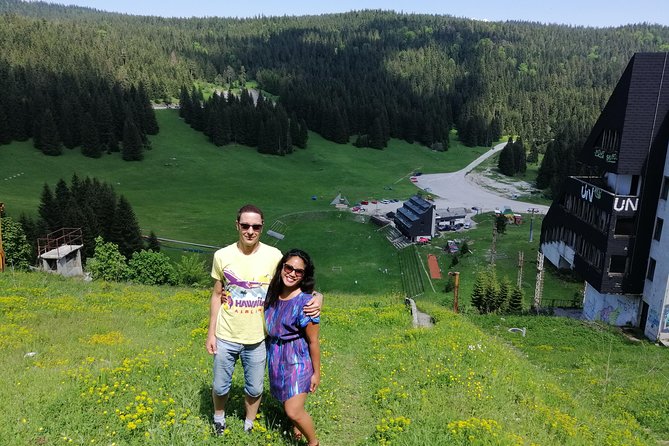
Next you head toward Sarajevo via Igman, a mountain with Olympic heritage and wartime scars. The stop begins with Igman Olympic heritage, including the 1984 Sarajevo Winter Olympics ski-jump context. There’s time for photos at the Olympic-style podium area, and if you’re up for it, you can climb or move near the jump structures and imagine the atmosphere of those games.
Then comes the darker layer: the Igman Olympic hotel. The hotel is described as a luxury 1984-era showplace, with 162 rooms, built in a spirit of optimism and teamwork for the Winter Olympics. During the Balkan War and the siege of Sarajevo, it was brutally torn apart—along with much of the city.
This stop is about 1 hour, and admission is free. Even if you’re not a ski-jump person, it’s worth it because Igman helps explain how the terrain shaped survival. You’ll feel the size of the mountain and how nearby positions mattered during the siege.
Practical tip: mountain weather can shift quickly. Bring layers and plan for wind near exposed points.
Sarajevo War Tunnel: the Tunnel of Hope from museum to ground-level truth
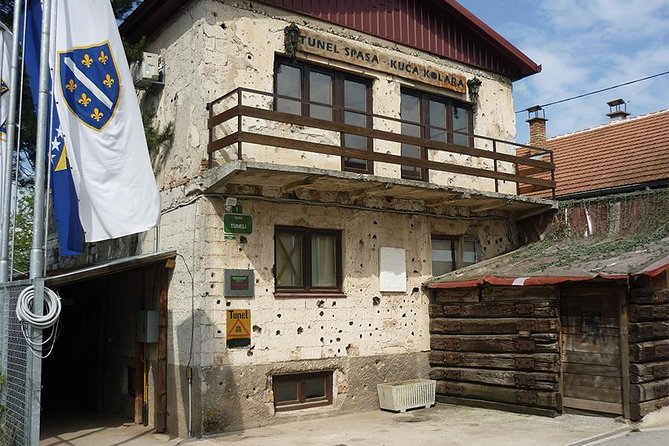
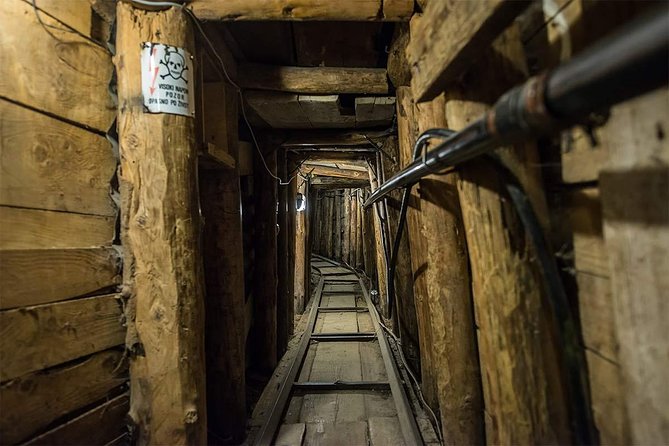
The Sarajevo War Tunnel is where the day turns from history lessons into survival logistics. Your visit includes the museum exhibition, a short movie about why the underpass was urgently needed, and then the actual tunnel walk-through.
Expect to see exhibits tied directly to the siege and the tunnel’s role as a crucial connection. The structure itself matters here. It’s one thing to read about supply routes; it’s another to walk through the kind of space people relied on when everything above ground became dangerous.
This stop takes about 1 hour 30 minutes, and entrance is included (the tour lists 5 EUR adult / 2.5 EUR children and students). That’s a second clear value win: you’re paying to access the tunnel museum experience, not just hearing about it from a bus.
If you’re sensitive to intense topics, give yourself a minute after the tunnel walk before rushing to the next viewpoint. The story lands best when you let it.
- Fall of Yugoslavia, Sarajevo War Tour with Tunnel of Hope Museum and Frontlines
★ 5.0 · 1,314 reviews
Olympic Village Dobrinja and Trebević’s front-line terrain
After the tunnel museum, you head toward Trebević. On the way, you pass through the Olympic Village Dobrinja, and the guide adds stories about the 1984 Winter Olympics and how a neighborhood in a besieged city lived through siege reality.
Then Trebević takes over. This mountain was described as part of the first line during the Siege of Sarajevo, with multiple battles and battlefields along its terrain. This is not a “pretty viewpoint” stop. It’s a place where the ground is tied to damage.
You’ll have the chance to see where destruction appeared, including locations named like Zlatište and Osmice, plus references to Olympic-era facilities such as the Sarajevo Bobsleigh from the 1984 Olympics. You can also visit areas like Trebević Vidikovac, and see remains of bunkers and other siege remnants.
The tour’s description emphasizes physical traces you can still recognize: minefields, tank caterpillar traces, trenches, and shrapnel patterns from bullets and grenades. Some areas are described as not yet repaired or restored, meaning you’re seeing the visual aftershock of years that followed the war.
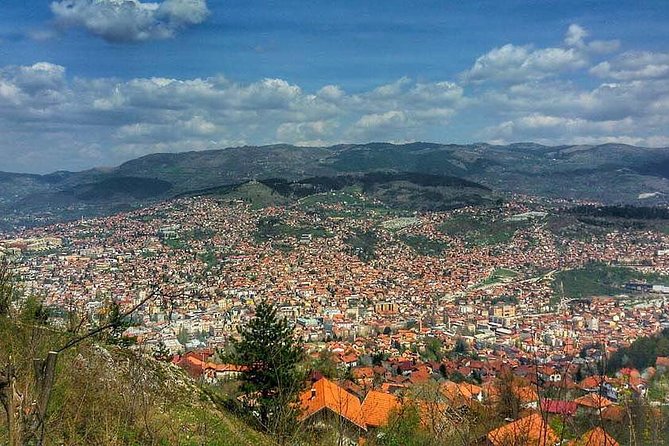
Time for views is a big part of this stop, especially from higher points on Trebević. Looking out helps you understand why control of surrounding positions mattered so much—and why the city’s defenders and attackers couldn’t treat Sarajevo like just another target.
Admission is free for these outdoor visits, but don’t treat them like a casual hike. Wear sturdy shoes. Keep your eyes where you step, because the ground can be uneven and partially disrupted.
Walking the Sarajevo bobsleigh and luge track after all that heavy history
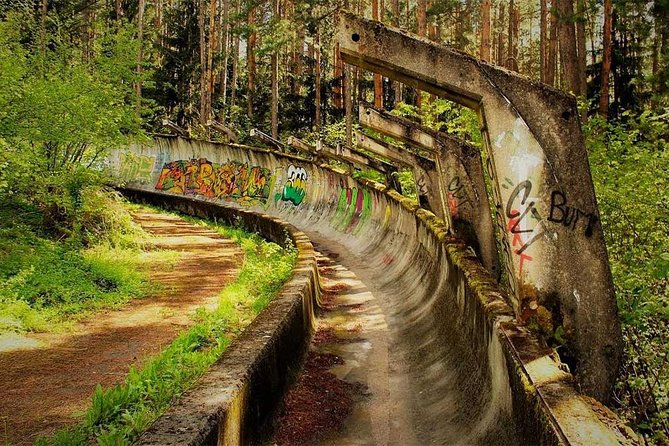
Between the mountain story and the cemetery, you get Sarajevo Olympic Bobsleigh and Luge Track time. This is a 45-minute walk down the famous 1984 bobsled track, and it’s described as an important historical site plus a street art paradise.
That sounds lighter than the surrounding stops, but it works. You get a change of pace and a more human scale view of the city’s layers: Olympics-era design, then wartime reality, then today’s street-level expression. Even if street art isn’t your thing, the track line helps you picture the Olympics geography around Sarajevo.
This stop being free also helps the value equation. You’re not paying extra for a breather; you’re getting it built into the route.
Jewish Cemetery Sarajevo: a place that served as a sniper line
Your last major stop is the Jewish Cemetery Sarajevo, one of the largest Jewish cemeteries in Europe. The key story here is the siege period: during 1992 to 1995, it served as a main front line and sniper nest of the Republic of Srpska army.
The cemetery also overlooks what’s called Sarajevo Sniper Alley, which ties the location to the daily terror people lived with. This is typically a short stop—about 20 minutes—and admission is free.
Even though the visit is quick, be intentional with your time. This is a respectful place. Walk slowly, look around, and let the guide’s context do the work rather than trying to “speed through” for the next photo.
Practical value: what you pay for beyond tickets
At $101.85 per person for about 10 hours, the price is fair when you look at what’s included. This isn’t just two paid admissions; it’s a whole day of guided transport, storytelling, and entry fees that are actually listed.
Two paid attractions are explicitly included:
- Tito’s Bunker (ARK D-0): entrance fee included
- Sarajevo War Tunnel: entrance fee included
Plus you get:
- a professional English-speaking guide and driver
- air-conditioned vehicle
- hotel pickup in Sarajevo
- mobile ticket convenience
- entrance fees to essential sites covered by the tour
Lunch isn’t included, so you may want to plan a simple meal strategy. Either eat before you start, or carry a small snack for late morning and pick up something in the city for later. The route includes enough time at stops that hunger can sneak up, especially if you’re the type to ask questions and slow down for viewpoints.
Group size is capped at 8, and that matters for a day like this. You’re going to places where the guide’s voice and explanations need room to land.
Who this tour fits best
This is a strong match if you:
- want to understand the siege beyond a single headline site
- care about how Cold War politics shaped Yugoslav leadership planning
- like historical places tied to real terrain and real constraints
- prefer a small group day over big bus tours
It’s also a good option if you’re a first-time visitor to Sarajevo and want a “best-of with context” route that doesn’t feel rushed through everything. The mixture of bunker + tunnel + mountains + Olympic ruins keeps it from becoming a single-theme lecture.
Should you book this Sarajevo day tour?
I think you should book it if you want the most meaningful way to spend a full day around Sarajevo’s siege story without losing time to logistics. The included access to both ARK D-0 and the War Tunnel is a real core value, and the small group size keeps the experience human.
You might choose something else if you’re looking for an easy, relaxed outing or if a long day plus walking on rugged areas sounds exhausting. Also, if you hate heavier historical topics, the cemetery and sniper-line context can be a lot.
If you do book: wear good shoes, bring layers for mountain stops, and plan food. You’ll get a tour that makes Sarajevo’s layers click—Olympics, politics, fear, survival, and the long aftereffect still visible on the ground.
FAQ
How long is the tour?
It runs for approximately 10 hours.
How much does it cost per person?
The price is $101.85 per person.
Is hotel pickup included?
Yes. You can arrange pickup from any hotel in Sarajevo, or meet at Funky Tours in the Old Town.
What’s the group size?
The tour is limited to a maximum of 8 travelers.
Is the tour in English?
Yes, a professional English-speaking guide is included.
What are the main paid attractions included in the ticket?
The tour includes admission for Tito’s Bunker (ARK D-0) and the Sarajevo War Tunnel.
Is lunch included?
No. Lunch is not included.
Can I cancel and get a full refund?
Yes. You can cancel for a full refund up to 24 hours before the experience starts.
You Might Also Enjoy
More Tour Reviews in Sarajevo
- Fall of Yugoslavia, Sarajevo War Tour with Tunnel of Hope Museum and Frontlines
★ 5.0 · 1,314 reviews