REVIEW · SARAJEVO
Understanding Srebrenica Genocide – Day tour from Sarajevo
Book on Viator →Operated by Adventure in Bosnia | Tour Agency | Tours and Excursions · Bookable on Viator
Srebrenica demands your full attention. This small-group tour lays out the war in chronological order, so the story clicks instead of feeling like random tragedy—and it does that with survivor accounts and museum guidance. I especially like the way the tour starts at the memorial museum and keeps the focus on understanding, not rushing.
Two standout perks are the Potocari Memorial Centre time for reflection and the chance to meet and learn through the museum experience, including multimedia that supports what you’re hearing. One thing to consider: this is a long, emotionally heavy day, so if you get worn out by difficult subjects, plan extra quiet time afterward and go in with a steady mindset.
In This Review
- Key things that make this tour worth your time
- Why the Srebrenica day trip starts with chronology
- At the Srebrenica Genocide Memorial Museum: war’s timeline and survival stories
- Battery factory museum to the memorial room and cemetery
- Potocari Memorial Centre: respect takes over the itinerary
- Srebrenica today: an industrial past and a ghost town feeling
- Drive time, group size, and how the day flows
- Price and value: what $82.68 covers on a long, structured day
- What your guide brings: the difference between hearing and understanding
- Who should book this tour (and who might not)
- Should you book this Srebrenica day trip? My decision checklist
- FAQ
- How long is the Srebrenica Genocide day tour from Sarajevo?
- What time does the tour start and where do you meet?
- Do they pick you up from your hotel?
- Is the tour in English?
- What’s included in the price?
- Is lunch included?
- Can I cancel for a full refund?
Key things that make this tour worth your time
- Max 8 travelers means the guide can keep pace with your questions and attention
- Chronology first helps you understand the wider Yugoslav war context around Srebrenica
- Museum storytelling in multiple formats, including multimedia, supports survivor narratives
- Potocari Memorial Centre offers a more respectful rhythm than typical sightseeing
- Srebrenica town stop shows how an industrial hub became a ghost city
- Pickup from hotels in Sarajevo keeps logistics simple for a day trip
Why the Srebrenica day trip starts with chronology
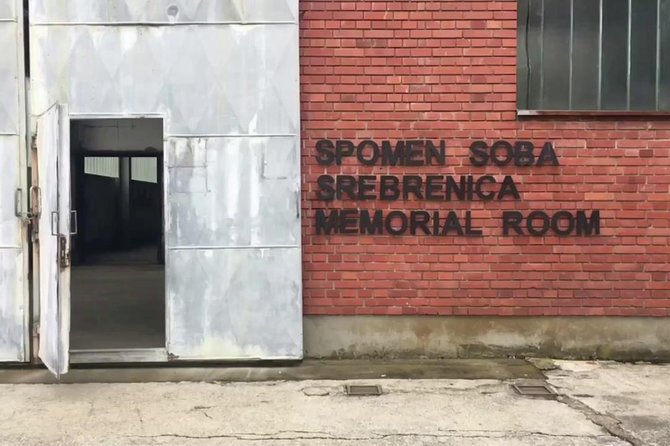
Srebrenica is often talked about in snapshots. This tour’s approach is different: it builds the timeline step by step so you can place what happened where it fits in the broader conflict. That matters because the Yugoslav wars can feel complicated fast, and you’ll want the names, dates, and cause-and-effect to line up in your head.
The drive from Sarajevo is about two and a half hours each way, so you’re trading half-day leisure for a full, focused immersion in meaning. Expect an 8 to 10 hour day, starting at 8:00 am, with a return to the same meeting point at the end.
You can also read our reviews of more tours and experiences in Sarajevo.
- Fall of Yugoslavia, Sarajevo War Tour with Tunnel of Hope Museum and Frontlines
★ 5.0 · 1,314 reviews

At the Srebrenica Genocide Memorial Museum: war’s timeline and survival stories
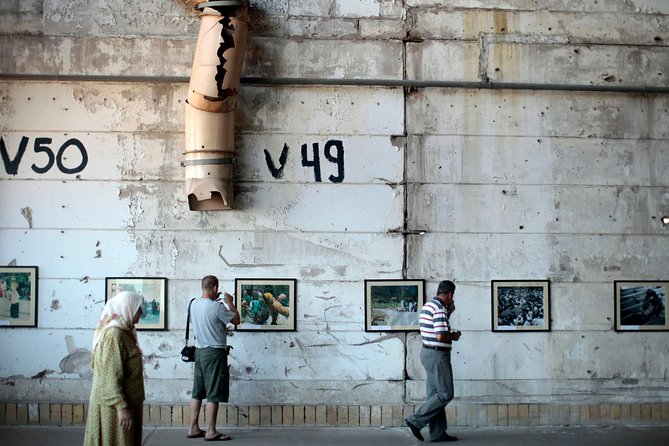
Your first major stop is the Srebrenica Genocide Memorial, set at what used to be the battery factory, a site used by UN forces during the war in Bosnia. Starting there gives the day a strong sense of place: you’re not only learning about history, you’re learning inside it.
From the front of the factory area, the presentation moves chronologically—built for understanding the sequence of events that led to the massacre. You’ll also spend time in the Museum of Srebrenica Genocide, described as one of the most modern museums in Bosnia and Herzegovina, with multimedia facilities that include selected films to support the story.
A detail that really improves the experience: you’re not just walking through displays. The tour includes time to meet the curator, which can turn a museum visit into something more personal and less like a checklist. Guides can also connect what you see—like survivor accounts and the context around the enclave—to what you’ll hear later at the memorial and cemetery.
Practical note: the museum portion is long enough that you’ll likely want to bring your emotional stamina like you’d bring water. This isn’t the kind of stop where you can skim and move on without feeling it.
Battery factory museum to the memorial room and cemetery
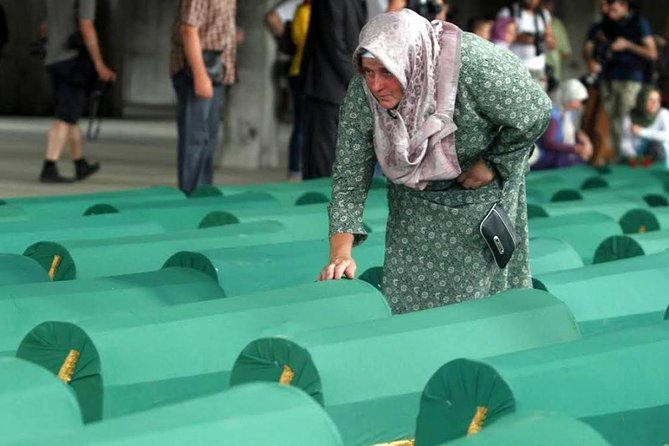
After the museum, the tour continues to the memorial room, where you hear victims’ stories created by a local journalist. That shift—from multimedia and historical framing to direct storytelling—changes the pace in an important way. It’s still educational, but it’s also the start of the day feeling more like witness than study.
From there, you move on to the memorial cemetery, where victims who were found and identified are said to be resting. That is one of the stops where you’ll feel the difference between reading about events and standing near their lasting names and presence.
This part of the tour works best if you let it slow you down. You don’t need to turn it into a silent test of how much you can handle. Just give yourself permission to stand, listen, and absorb.
Potocari Memorial Centre: respect takes over the itinerary
Next comes Potocari Memorial Centre, one of the most meaningful anchors of the trip. This is where the tour’s tone tends to shift: less about structure and more about respect. Instead of treating it like another attraction, you’ll treat it like a place with weight.
You’ll learn as you go, but the strongest value here is the built-in time to reflect rather than just move along. It’s also the point where many visitors feel the full impact of what they’ve been hearing since the museum.
A practical detail that matters for your day: the tour schedule accounts for the fact that there aren’t a lot of restaurants near Potocari Memorial Centre. After Potocari, you continue your journey onward, and the tour places lunch in Srebrenica—so you won’t have to guess where to eat mid-route.
Srebrenica today: an industrial past and a ghost town feeling
Srebrenica was once an industrial hub, and the tour’s final phase makes sure you understand what that meant for daily life before the war. When you reach the city itself, you’re guided through the contrast: today, parts of the town can feel like a ghost city.
That’s not just emotional framing. It helps you grasp what was disrupted—how a functioning community can be broken so fully that the streets feel abandoned even long after the worst days are over. Seeing Srebrenica after Potocari also helps you connect the human stories you heard with the physical space where those stories unfolded.
If you like photography, you can use it here—but keep your focus on atmosphere and context, not “content.” This is the kind of place where a thoughtful frame usually beats a flashy one.
- Fall of Yugoslavia, Sarajevo War Tour with Tunnel of Hope Museum and Frontlines
★ 5.0 · 1,314 reviews


Drive time, group size, and how the day flows
You’re on the road for a while, and the tour is designed to make that time useful. The vehicle is air-conditioned, and there’s WiFi on board, plus bottled water and snacks. That’s more than comfort: it keeps you steady so you’re not distracted by hunger or fatigue before you hit the memorial stops.
Because the group is capped at 8 travelers, the guide can manage the flow more like a conversation than a lecture. In the reviews, you’ll see this praised as a major reason the tour feels respectful and tailored. When a small group is paired with a committed guide, you can actually pay attention to details instead of being herded.
Pickup is also straightforward. The meeting point is Kovači 25, Sarajevo 71000, and the start time is 8:00 am. The tour offers pickup from any hotel in Sarajevo, and there’s an added note that pick-up is available for guests who stay out of the Old Town area, which helps if you’re not right downtown.
Price and value: what $82.68 covers on a long, structured day
At $82.68 per person, this isn’t a bargain in the “cheap bus ride” sense. It feels priced more like a guided day with real content: museum access time, memorial time, transportation, and a guide in a small group.
Here’s why that can still be good value for you:
- You’re paying for interpretation and timing, not just a ride.
- You get pickup and drop-off, so you don’t waste hours figuring out local transfers.
- The tour includes snacks, bottled water, WiFi, and an air-conditioned vehicle, which makes an 8–10 hour day more manageable.
- Admission for the first stop is listed as ticket free in the tour outline, which helps your overall cost.
The main cost you should budget separately is lunch—it’s not included. If you want to keep the day smooth, plan to eat without delaying the schedule, since you’ll be in Srebrenica later in the day for that meal.
What your guide brings: the difference between hearing and understanding
A guided day can either feel like a history lecture or like a story you can follow. This tour leans toward followable, understandable storytelling, with guides who connect what you’re seeing to the bigger conflict.
In particular, the guides named in feedback—Ayyub and Kenan—are repeatedly singled out for professionalism and passion for the material. That shows up in two ways that matter to you on the ground: they explain in a way you can comprehend, and they help you get more value out of the museum experience rather than treating it like you’re just reading signs.
Also, because it’s a delicate subject, the guide’s tone and structure matter. This is built to handle that carefully, starting with chronology and then moving into survivor narratives and memorial reflection.
Who should book this tour (and who might not)
This is a strong fit if you want more than surface-level information and you’re ready for a day that is heavy but structured. You’ll likely appreciate the chronology, the museum’s multimedia support, and the time at Potocari Memorial Centre for reflection.
It’s also a good choice if you value small-group attention. A max of 8 travelers changes the vibe: you’re not shouting over a crowd, and you’re more likely to feel guided through the emotional and historical steps.
Consider skipping or choosing a different format if you’re very sensitive to difficult topics and you don’t want an all-day schedule built around them. There’s no way to sugarcoat what you’ll learn and see—this is meant to be respectful and direct.
Should you book this Srebrenica day trip? My decision checklist
Book it if you check most of these boxes:
- You want chronological understanding of the war context, not scattered facts.
- You’re okay with a long day with minimal downtime.
- You prefer small-group guidance over a big bus with radios.
- You’re looking for meaning at Potocari Memorial Centre, not just photo stops.
Skip it if:
- You need a lighter day and would rather visit memorials on a shorter timeline.
- You’re likely to rush through reflective spaces because you feel pressured by time.
If you do book, go in with the mindset that this isn’t a casual excursion. It’s a guided, structured way to learn and to pay respect—one stop at a time.
FAQ
How long is the Srebrenica Genocide day tour from Sarajevo?
The tour runs about 8 to 10 hours.
What time does the tour start and where do you meet?
It starts at 8:00 am and meets at Kovači 25, Sarajevo 71000.
Do they pick you up from your hotel?
Yes. Pickup is offered from any hotel in Sarajevo, with hotel pick-up service included.
Is the tour in English?
Yes, it’s offered in English.
What’s included in the price?
Included are driver/tour guide, an air-conditioned vehicle, WiFi on board, hotel pick-up and drop-off, bottled water, and snacks.
Is lunch included?
No. Lunch is not included.
Can I cancel for a full refund?
Yes. Free cancellation is available if you cancel up to 24 hours in advance for a full refund.
You Might Also Enjoy
More Tours in Sarajevo
- Fall of Yugoslavia, Sarajevo War Tour with Tunnel of Hope Museum and Frontlines
★ 5.0 · 1,314 reviews


More Tour Reviews in Sarajevo
- Fall of Yugoslavia, Sarajevo War Tour with Tunnel of Hope Museum and Frontlines
★ 5.0 · 1,314 reviews